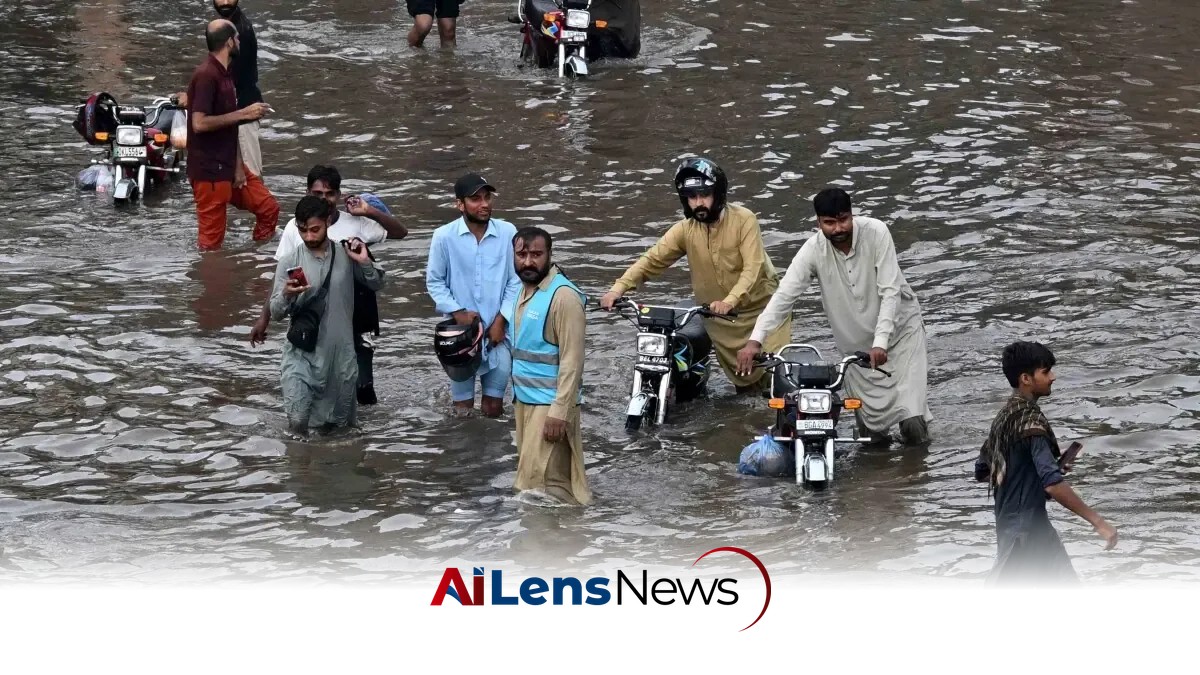


President Asif Ali Zardari has called for intensified preparedness and relief measures as monsoon rains pose risks of flooding across Pakistan.
Islamabad, Pakistan Jul 23, 2026 ALN: President Asif Ali Zardari on Thursday directed all federal, provincial, and local authorities to intensify coordinated preparedness, rescue, and relief measures in view of the ongoing monsoon rains. The directive comes as Pakistan braces for an intense monsoon season, which has historically brought both devastating floods and significant infrastructural challenges. The country’s geographical diversity, ranging from mountainous terrains to flat plains, exacerbates the impact of monsoon rains, making certain regions particularly prone to severe weather-related incidents.
According to a press release issued by the President’s Secretariat, the president emphasized the need for heightened readiness as the country enters a critical phase of the monsoon season. He pointed out that increasing rains raise the risk of flash floods, cloud bursts, glacial lake outburst floods (GLOFs), landslides, river flooding, and urban flooding in vulnerable areas. This multifaceted threat underscores the importance of proactive measures and effective communication among various levels of government. The interplay of climate change and urban development has made the monsoon season a time of heightened alertness for both authorities and communities.
In his statement, President Zardari expressed deep sorrow over the loss of lives and the damage to homes, infrastructure, and property caused by recent rains and related incidents. The emotional toll of such natural disasters is profound, affecting not only the immediate victims but also their families and communities. The president’s acknowledgment of these losses highlights the human aspect of disaster management, reminding authorities that their efforts must prioritize the safety and well-being of citizens. The psychological impact of disasters often lingers long after the immediate physical damage has been addressed, necessitating long-term support for affected individuals and families.
The president directed the National Disaster Management Authority (NDMA), the Provincial Disaster Management Authorities (PDMAs), and provincial and local authorities to maintain close coordination and ensure timely dissemination of early warnings. Effective communication is crucial in disaster scenarios, as timely information can save lives and reduce the impact of natural calamities. By ensuring that warnings reach local communities, authorities can facilitate quicker evacuations and preparations, thereby minimizing risks. The establishment of clear communication channels, including the use of social media and mobile alerts, can enhance the reach of these warnings and improve community preparedness.
In addition, he called for continuous monitoring of rainfall, river flows, and water levels in upper catchment regions, particularly in areas like Gilgit-Baltistan and Azad Jammu and Kashmir. These regions are particularly vulnerable to flooding due to their topography and climatic conditions, making it essential for authorities to have real-time data to inform their response strategies. The directive to prepare downstream areas for possible flooding is a proactive measure that can help mitigate the impact of sudden water surges from upstream regions. Historical instances have shown that a lack of timely data can lead to catastrophic outcomes, emphasizing the need for a robust monitoring system.
The president also directed authorities to pre-position rescue and relief resources, ensuring the protection of vulnerable communities and critical infrastructure. This includes not only physical resources like food and medical supplies but also human resources, such as trained personnel ready to respond to emergencies. Special attention was given to tourists and visitors in areas at risk from flash floods, GLOFs, and landslides, highlighting the need for comprehensive safety measures that consider all individuals in affected regions. The presence of tourists in these areas poses additional challenges for emergency response teams, necessitating clear evacuation plans and safety protocols.
In his statement, Zardari emphasized that all concerned institutions must remain vigilant and ensure an immediate response wherever lives or property are at risk. This call for vigilance reflects the reality that disasters can strike with little warning, and the ability to act swiftly can be the difference between life and death in critical situations. The effectiveness of disaster response is often judged by the speed and efficiency of the initial response, underscoring the importance of preparedness at all levels of government.
He urged the public to follow official advisories and avoid unnecessary travel to areas facing warnings of heavy rain, flash floods, landslides, or other weather-related hazards. Public compliance with advisories is crucial in disaster management, as it can significantly reduce the number of individuals at risk during severe weather events. Awareness campaigns and clear communication from authorities can help educate the public about the dangers associated with monsoon rains. The role of media in disseminating information and educating the public cannot be overstated, as it serves as a critical link between authorities and communities.
The statement concluded with President Zardari expressing appreciation for the efforts of rescue workers and emergency personnel engaged in relief operations, praying for the safety of people across the country. The work of these individuals is often underappreciated, yet they play a vital role in mitigating the impact of natural disasters and providing support to affected communities. Their dedication and bravery are essential in times of crisis, often putting their own lives at risk to save others. Recognizing and supporting these frontline workers is crucial for maintaining morale and ensuring effective disaster response.
As of the latest reports, at least 37 people have died in rain-related incidents as the ongoing monsoon spell triggered flash floods and landslides, damaging houses, crops, livestock, and roads in Khyber Pakhtunkhwa, Gilgit-Baltistan, Azad Jammu and Kashmir, and Punjab. The loss of life, alongside extensive damage to agriculture and infrastructure, poses significant challenges for recovery efforts and highlights the acute vulnerabilities faced by these regions during the monsoon season. The agricultural sector, which is a crucial part of Pakistan's economy, suffers greatly during these events, leading to food insecurity and economic instability.
The Pakistan Meteorological Department (PMD) has warned that the current spell could trigger flash floods, landslides, and glacial lake outburst floods in northern areas. The implications of such warnings are critical, as they necessitate immediate action from both government authorities and local communities. Historical data indicates that Pakistan has faced severe flooding events in previous monsoon seasons, leading to extensive humanitarian crises and economic losses. The government’s response to these warnings will be pivotal in shaping the outcomes of the current monsoon season. Past experiences have shown that the lack of adequate preparedness can lead to disastrous consequences, making the current proactive measures all the more vital.
In conclusion, President Zardari’s call for enhanced preparedness and coordination among various authorities reflects a comprehensive approach to disaster management in Pakistan. The emphasis on public safety, timely communication, and proactive measures is essential in mitigating the adverse effects of natural disasters. As the country continues to face the challenges posed by the monsoon season, the effectiveness of these measures will be crucial in safeguarding lives and infrastructure in vulnerable regions. Moving forward, it will be essential for the government to not only respond to immediate threats but also to invest in long-term strategies that address the underlying vulnerabilities faced by communities in the face of climate change and natural disasters.
To learn more about the latest developments in Health & Public Safety, stay updated with our exclusive reports and analyses on AiLensNews.

