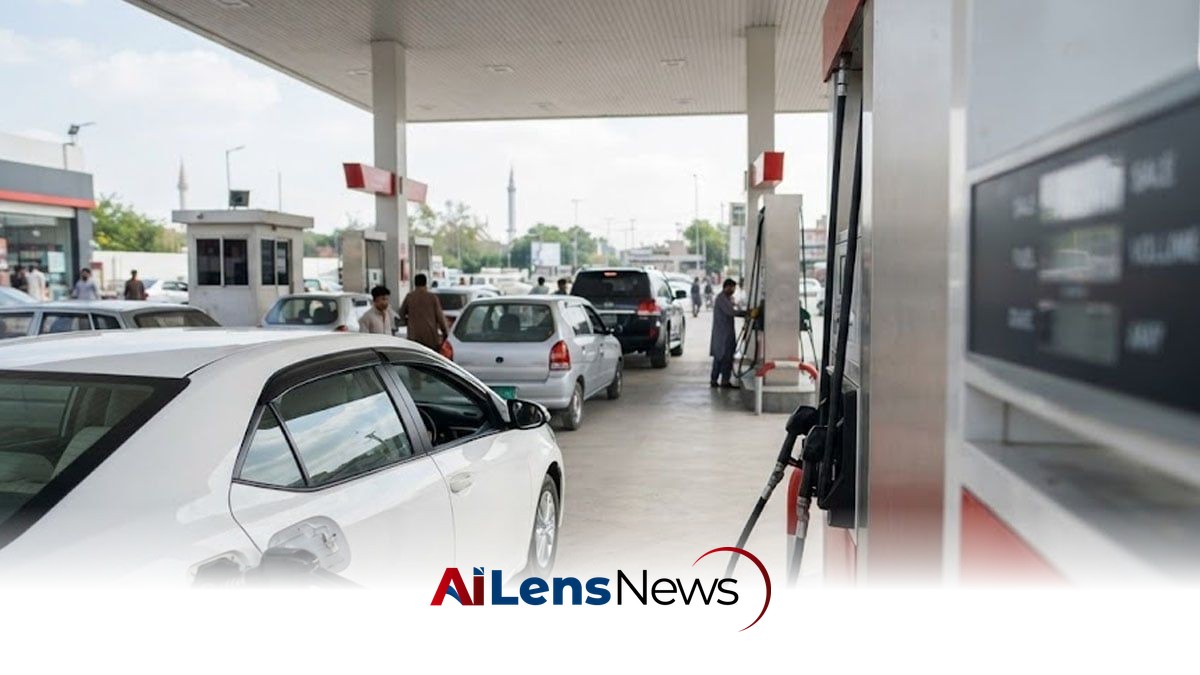


The Oil and Gas Regulatory Authority (OGRA) has raised petrol and diesel prices in Pakistan, effective July 22, 2026, amidst a strike by petrol pump owners.
Islamabad, Pakistan Jul 21, 2026 ALN: The Oil and Gas Regulatory Authority (OGRA) has increased the petrol price and high-speed diesel prices for one day, according to a notification issued on Tuesday.
Under the latest revision, the petrol price has been increased by Rs4.93 per litre, taking the new rate to Rs320.73 per litre. The price of high-speed diesel (HSD) has also been raised by Rs7.15 per litre, with the new rate fixed at Rs367.21 per litre. According to the notification, the revised petrol price and diesel rates will come into effect from 12:00am tonight and will remain in force for one day.
The raise from OGRA came after the Pakistan Petrol Pump Owners Association (APPPOA) announced an indefinite countrywide strike. The APPPOA, in its announcement, said that on the night of July 22 at 12 am, all the petrol pumps across the country will be shut. The announcement comes after the negotiations between APPPOA and Minister of Petroleum Ali Pervez Malik ended without any result. According to the APPPOA statement, talks regarding daily petroleum product pricing and an increase in profit margins ended in failure.
The APPPOA announced that it will continue its nationwide strike until its demands are met. The association directed all petrol pump owners across the country to participate in the strike. The APPPOA also urged petrol pump owners across the country to remain united and ensure a peaceful protest. The association demanded that the government take a positive and acceptable decision regarding their justified demands.
Pakistan has shifted to a daily petroleum pricing system for petrol and diesel, replacing the previous weekly (or fortnightly) revisions. This change, driven by the Petroleum Division and implemented via the Oil and Gas Regulatory Authority (OGRA), aims to respond faster to volatile global oil prices, exchange rates, and import costs—especially amid regional tensions affecting supply routes like the Strait of Hormuz.
The new system means OGRA determines and publishes ex-depot prices daily (typically effective from midnight), based on recent import costs, international benchmarks (e.g., 7-day averages), and applicable levies/taxes. No government approval is needed for routine daily adjustments. Prices are formula-based for greater transparency and to reduce political intervention, market abuse, or windfall gains for companies. It moves toward eventual deregulation.
Official notifications come from the Petroleum Division/OGRA and are posted on sites like ogra.com.pk (or official channels). Retail prices at pumps may vary slightly due to dealer margins or freight.
The decision to implement a daily pricing system for petroleum products is a significant shift in Pakistan's energy policy, aimed at aligning domestic prices with fluctuating international oil markets. This change is particularly crucial given the increasing volatility in global oil prices, which can be influenced by various factors including geopolitical tensions, natural disasters, and changes in production levels among oil-exporting nations.
In recent months, the global oil market has experienced significant fluctuations, with prices rising sharply due to factors such as OPEC+ production cuts and increased demand as economies recover from the impacts of the COVID-19 pandemic. These fluctuations have a direct impact on countries like Pakistan, which rely heavily on imported oil to meet domestic energy needs. The daily pricing system is seen as a way to provide more immediate adjustments to these changes, thereby reducing the financial burden on the government and consumers.
However, the implementation of this new pricing mechanism has not been without its challenges. The APPPOA's decision to strike highlights the discontent among petrol pump owners regarding the pricing structure and profit margins that they receive from the sale of petroleum products. With the introduction of daily pricing, pump owners are concerned about their ability to sustain their businesses amid rising costs and shrinking profit margins.
The APPPOA's demands include a review of profit margins, which they argue have not kept pace with rising operational costs. They contend that the government's pricing policies have made it increasingly difficult for them to operate profitably. The association's call for a peaceful protest underscores the frustration felt by many in the industry who feel that their voices are not being heard in the decision-making process.
The implications of the strike could be significant, not only for petrol pump owners but also for consumers who rely on these services. A nationwide shutdown of petrol pumps would disrupt fuel supply, potentially leading to increased prices on the black market and inconveniences for the general public. The government may face pressure to intervene and negotiate a resolution to avoid further escalation of the situation.
As the situation develops, it will be crucial for both the government and the APPPOA to engage in constructive dialogue to address the underlying issues. Finding a balance between fair pricing for consumers and sustainable profit margins for petrol pump owners will be essential to ensure stability in the petroleum sector and to prevent disruptions in fuel supply.
In conclusion, the recent increase in petrol and diesel prices by OGRA, coupled with the announcement of an indefinite strike by the APPPOA, reflects the ongoing challenges faced by Pakistan's energy sector. The shift to a daily pricing system aims to provide greater responsiveness to global market changes, but it also raises questions about the sustainability of profit margins for petrol pump owners. As stakeholders navigate these complex dynamics, the need for effective communication and negotiation will be paramount to achieving a resolution that serves the interests of all parties involved.
Furthermore, the economic implications of the price hike and the strike extend beyond the immediate concerns of petrol pump owners and consumers. Increased fuel prices can have a cascading effect on the overall economy, influencing transportation costs, goods pricing, and inflation rates. Higher fuel prices often lead to increased costs for businesses, which may be passed on to consumers in the form of higher prices for goods and services. This can exacerbate the cost of living crisis faced by many households in Pakistan, particularly in a context where economic growth is already under pressure from various factors including political instability, inflation, and external debt obligations.
The government's ability to manage this situation will be closely watched, as it reflects broader issues within Pakistan's energy policy framework. The reliance on imported oil and the vulnerability to international price fluctuations underscore the need for a more sustainable and diversified energy strategy that could include investments in renewable energy sources and greater energy efficiency measures. Addressing these underlying challenges will be essential for ensuring long-term energy security and economic stability in Pakistan.
In light of the ongoing strike and the rising prices, public sentiment is likely to be a crucial factor in shaping the government's response. Citizens who are already grappling with economic hardships may express their dissatisfaction through protests or other forms of civic engagement. The government may need to consider public opinion as it navigates negotiations with the APPPOA and seeks to implement policies that balance the interests of various stakeholders. Ultimately, the outcome of this situation will have lasting implications for the future of Pakistan's energy sector and its broader economic landscape.
To learn more about the latest developments in Economy, stay updated with our exclusive reports and analyses on AiLensNews.

