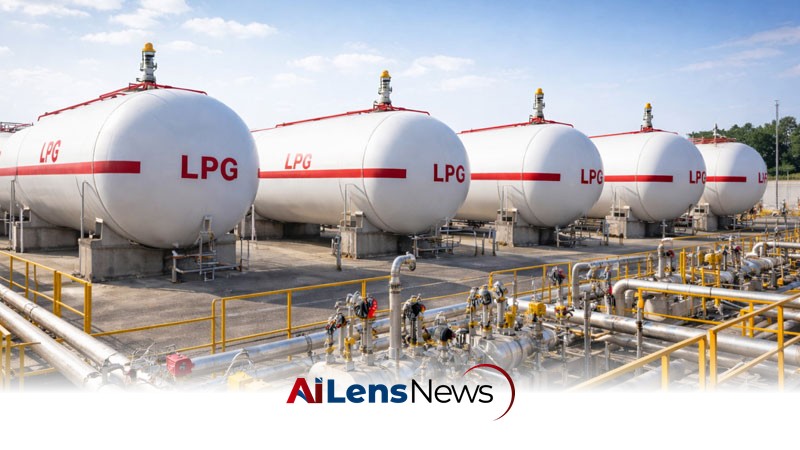


The Pakistan LPG Marketers Association has called for immediate government intervention to prevent the sealing of licensed LPG plants, warning of potential supply disruptions and price increases.
Islamabad, Pakistan Jul 19, 2026 ALN: The Pakistan LPG Marketers Association (PLPGMA) has recently raised alarms regarding the ongoing enforcement actions by the Oil and Gas Regulatory Authority (OGRA) and other governmental bodies, which have led to the sealing of licensed liquefied petroleum gas (LPG) plants across major cities, including Lahore. This situation has prompted the association to urge the Federal Government to intervene immediately to prevent potential supply disruptions that could adversely affect millions of consumers throughout Pakistan.
The enforcement operations have reportedly targeted licensed LPG facilities that are operating legally under valid permits. However, PLPGMA has expressed significant concern that these actions are not only harassing legitimate businesses but are also exacerbating the challenges faced by the LPG sector, particularly at a time when the industry is grappling with unresolved core pricing issues. The association emphasizes that the current enforcement campaign is misdirected, focusing on the consequences of an outdated pricing system rather than addressing its underlying structural flaws.
One of the critical issues highlighted by PLPGMA is the existing LPG pricing framework, which has become increasingly untenable. The marketing and distribution margins have remained unchanged since 2018, while operational costs, freight charges, and other expenses related to the supply chain have risen significantly. This stagnation in the pricing framework has created a situation where the costs of providing LPG have outstripped the revenues generated by licensed operators, making it difficult for them to sustain their businesses.
Moreover, PLPGMA points out that both locally produced and imported LPG are subjected to a uniform pricing mechanism, despite the fact that these two categories of gas have substantially different cost structures. This lack of differentiation in pricing not only undermines the financial viability of local producers but also creates an uneven playing field for marketers and distributors who rely on these products.
Ahsan Butt, the Chairman of PLPGMA, has been vocal about the implications of the enforcement actions. He argues that the current enforcement campaign is treating the symptoms of a flawed pricing system rather than addressing the root causes. He stated, "Instead of addressing the weaknesses in the pricing framework, enforcement actions are disrupting legitimate businesses and weakening the LPG supply chain. Continued sealing of licensed plants will reduce market supply, increase pressure on consumers, and contribute to price instability."
The association is adamant that licensed operators should not bear the brunt of penalties for operating within an outdated regulatory framework. They contend that if enforcement actions persist, any resulting shortages or disruptions in the market would be a direct reflection of policy failures, rather than a result of the industry's unwillingness to meet consumer demands.
In light of these challenges, PLPGMA has made several recommendations to the Federal Minister for Petroleum and relevant authorities. They are calling for an immediate cessation of the sealing of licensed LPG plants and the reopening of facilities that have been closed due to the ongoing pricing disputes. Additionally, the association is advocating for an urgent review of LPG marketing and distribution margins to better reflect the current economic landscape.
Furthermore, PLPGMA is pushing for the introduction of separate pricing mechanisms for locally produced and imported LPG. This differentiation would allow for a more equitable market environment, enabling local producers to compete effectively and ensuring that consumers have access to gas at fair prices.
To facilitate these changes, PLPGMA has requested an immediate meeting with key stakeholders, including government officials and regulatory authorities, to discuss sustainable solutions that can prevent the situation from escalating into a nationwide supply crisis. The association believes that timely policy-level engagement is crucial to ensuring uninterrupted LPG availability, safeguarding consumer interests, and restoring confidence across the LPG value chain.
In conclusion, Ahsan Butt emphasized the urgency of the situation, stating, "The situation requires urgent and decisive intervention. Any further delay will disrupt supplies, harm consumers, and further destabilize the LPG market." The ongoing challenges within the LPG sector highlight the need for a comprehensive review of the regulatory framework governing the industry, ensuring that it aligns with current economic realities and promotes a stable supply chain that can adequately meet the needs of consumers across Pakistan.
The implications of the current enforcement actions extend beyond just the immediate concerns of supply and pricing. They reflect broader issues within Pakistan's energy sector, where regulatory frameworks often lag behind market realities. As the country continues to navigate its energy needs, the importance of a stable and well-regulated LPG market cannot be overstated. Ensuring that licensed operators are supported rather than penalized will ultimately benefit consumers and contribute to a more resilient energy landscape in Pakistan.
The LPG sector in Pakistan plays a vital role in the country's energy mix, serving as an essential source of fuel for cooking and heating, particularly in areas where natural gas infrastructure is limited. The reliance on LPG has grown in recent years due to increasing energy demands and the need for alternative energy sources amid fluctuating global oil prices. Thus, the health of the LPG supply chain is critical not only for consumer access but also for the overall economic stability of the region.
Furthermore, the enforcement actions taken by OGRA raise questions about the effectiveness of regulatory oversight within the LPG sector. While regulation is necessary to ensure safety and compliance, it must be balanced with the need to support businesses that operate within the legal framework. The sealing of licensed plants, particularly when they are compliant with existing regulations, can lead to unintended consequences that undermine the very objectives that regulators seek to achieve.
Another aspect of the situation is the role of international markets in influencing local LPG prices. As Pakistan imports a significant portion of its LPG, global market trends, shipping costs, and foreign exchange rates directly impact local pricing. The lack of a responsive pricing mechanism that takes these factors into account can lead to volatility and uncertainty for both consumers and businesses. This is particularly concerning given the ongoing economic challenges faced by Pakistan, including inflation and currency depreciation, which further complicate the landscape for LPG marketers.
In addition to the economic implications, the enforcement actions might also have social repercussions. Disruptions in LPG supply can disproportionately affect low-income households that rely on this fuel for their daily needs. As prices rise and availability decreases, these households may struggle to meet their basic energy requirements, leading to broader social issues such as food insecurity and increased reliance on alternative, potentially unsafe fuel sources.
PLPGMA's call for a differentiated pricing mechanism is particularly relevant in this context. By allowing for separate pricing for locally produced and imported LPG, the government could create a more favorable environment for local producers, thereby enhancing competition and potentially stabilizing prices for consumers. This could also incentivize investment in local production capabilities, which would further strengthen the supply chain and reduce reliance on imports.
The situation is a poignant reminder of the need for effective policy-making that is responsive to the realities of the market. Engaging with stakeholders from the LPG sector, including marketers, producers, and consumers, can lead to more informed decision-making and ultimately result in a regulatory framework that supports sustainable growth. The urgency of the current situation cannot be overstated; timely action by the government could prevent further disruptions and ensure that consumers have access to affordable and reliable LPG supplies.
As the PLPGMA continues to advocate for change, the broader implications of this situation will likely resonate throughout Pakistan's energy sector. The need for a cohesive approach to energy regulation, one that balances enforcement with support for legitimate businesses, is critical. The outcome of this situation will not only impact the LPG market but could also serve as a case study for how regulatory bodies interact with industries facing similar challenges in the future.
To learn more about the latest developments in Economy, stay updated with our exclusive reports and analyses on AiLensNews.

