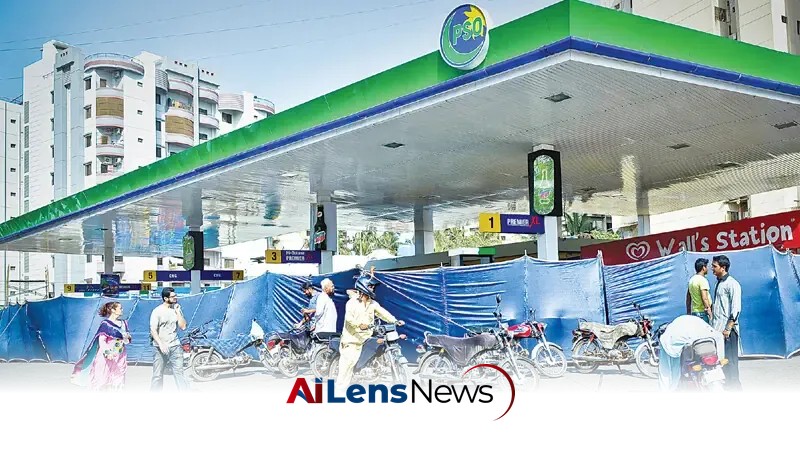


The All Pakistan Petrol Pumps Owners Association has declared a nationwide strike starting Wednesday night after failed negotiations with the government regarding daily petroleum pricing.
Islamabad, Pakistan Jul 21, 2026 ALN: The All Pakistan Petrol Pumps Owners Association (APPPOA) has announced a nationwide strike set to commence from Wednesday night, following a breakdown in negotiations with the government regarding the daily pricing of petroleum products. This strike is poised to impact approximately 15,000 petrol pumps across Pakistan, which will remain closed on Thursday, highlighting the significance of the dispute between petrol pump owners and the government.
The announcement came after an hour-long meeting between APPPOA representatives and a government team led by Petroleum Minister Ali Pervaiz Malik. The APPPOA delegation, which included Chairman Humayun Khan and Vice Chairman Nauman Ali Butt, expressed their frustration over the negotiations, stating that they had failed to reach an agreement on the proposed daily fuel pricing mechanism. The representatives emphasized that their decision to strike was driven by a dire need for survival in the face of ongoing financial challenges.
One of the main points of contention is the government's recent decision to revise petroleum prices on a daily basis, a move that the APPPOA has described as "unacceptable" and "unworkable" for petrol pump dealers. They argue that the current pricing mechanism not only complicates their operations but also undermines their already thin profit margins. Vice Chairman Nauman Ali Butt articulated that the petrol pump owners have been advocating for a monthly pricing system instead, which they believe would provide greater stability and predictability in their business operations.
Moreover, the APPPOA has raised concerns over the dealer commission, which has remained frozen for the past three years. This long-standing demand for an increase in dealer commission is critical for many petrol pump owners who are grappling with rising operational costs. The chairman, Humayun Khan, pointed out that petrol pump owners are facing severe financial challenges due to multiple pressures from the Oil and Gas Regulatory Authority (Ogra), oil marketing companies (OMCs), and government policies. He noted that the daily pricing mechanism has created confusion and has been detrimental to their businesses.
Khan's remarks reflect a broader sentiment among small business owners who often feel marginalized in policy-making processes. He criticized the government for making significant decisions without consulting key stakeholders, which he believes demonstrates a lack of understanding of the realities faced by small petrol pump operators. This exclusion from the decision-making process raises questions about the inclusivity of government policies and their impact on the livelihoods of small business owners.
In response to the impending strike, the Pakistan Petroleum Dealers Association (PPDA) is also deliberating on whether to join the strike action. Senior Adviser Malik Khuda Bukhsh indicated that the PPDA found the daily fuel pricing mechanism to be "not possible and unacceptable." Interestingly, while the Petroleum Division claimed that talks with the PPDA had been successful, Khuda Bukhsh contended that the petroleum minister had requested further discussions with Ogra to address the dealers' concerns.
During the discussions with Ogra, the PPDA team articulated the challenges posed by the new pricing mechanism. According to Khuda Bukhsh, Ogra acknowledged that the decision to implement daily pricing had been made hastily and expressed a willingness to consider the dealers' input. This acknowledgment from Ogra may indicate a potential path forward for negotiations, but the urgency of the situation remains as the PPDA prepares to meet and decide on their course of action.
The Petroleum Division's statement highlighted that the government had been managing petroleum product supplies effectively, particularly in light of challenges arising from the Strait of Hormuz crisis. The minister briefed the PPDA on the transition from a weekly to a daily pricing mechanism, which he argued would enhance transparency, reduce market distortions, and better reflect international price movements. However, the PPDA's published appeal for the government to reconsider the 24-hour price adjustment mechanism suggests that significant divisions remain between the government and petrol dealers.
This situation is emblematic of the broader issues facing the petroleum sector in Pakistan, where fluctuating international oil prices, regulatory challenges, and economic pressures converge. The introduction of a daily pricing mechanism, while aimed at improving market responsiveness, has raised concerns among petrol pump owners about the sustainability of their businesses. As the strike looms, the implications for consumers, who may face fuel shortages, and for the economy, which relies heavily on the petroleum sector, are significant.
In the context of Pakistan's economic landscape, the petroleum sector plays a crucial role. It not only fuels transportation but also impacts various other sectors, including agriculture and manufacturing. The potential disruption caused by the strike could lead to increased prices at the pump and affect the availability of fuel, thereby exacerbating existing economic challenges. Moreover, the ongoing discussions and negotiations between petrol dealers and the government will be closely monitored, as they may set a precedent for future regulatory changes in the sector.
The dynamics of the petroleum market in Pakistan are influenced by several factors, including global oil prices, local demand, and government policy decisions. The recent trend of rising oil prices internationally has put additional pressure on local petrol prices, forcing the government to respond by adjusting prices more frequently. This has led to a volatile market environment that is difficult for petrol dealers to navigate, further straining their operations.
As the APPPOA and PPDA navigate their grievances, the outcome of these negotiations will be pivotal in determining the future of fuel pricing in Pakistan. The government's willingness to engage with stakeholders and consider their demands will be crucial in averting further unrest and ensuring the stability of the petroleum market. The situation remains fluid, and all eyes will be on the developments following the planned strike and the subsequent responses from the government and regulatory bodies.
Furthermore, the potential strike could have broader implications for the political landscape in Pakistan. The government’s handling of this situation will be scrutinized not only by petrol dealers but also by the public, especially as fuel prices directly affect the cost of living. The strike could serve as a litmus test for the government’s ability to manage economic grievances and maintain public order in a time of rising discontent over inflation and economic hardship.
In conclusion, the impending strike by petrol pump owners underscores the ongoing tensions between small business operators and government regulators in Pakistan’s petroleum sector. As both sides prepare for possible escalation, the need for dialogue and compromise becomes increasingly urgent. The outcome of this situation will not only affect the petrol pump owners but also the broader economy, consumers, and the political climate in the country.
To learn more about the latest developments in Economy, stay updated with our exclusive reports and analyses on AiLensNews.

