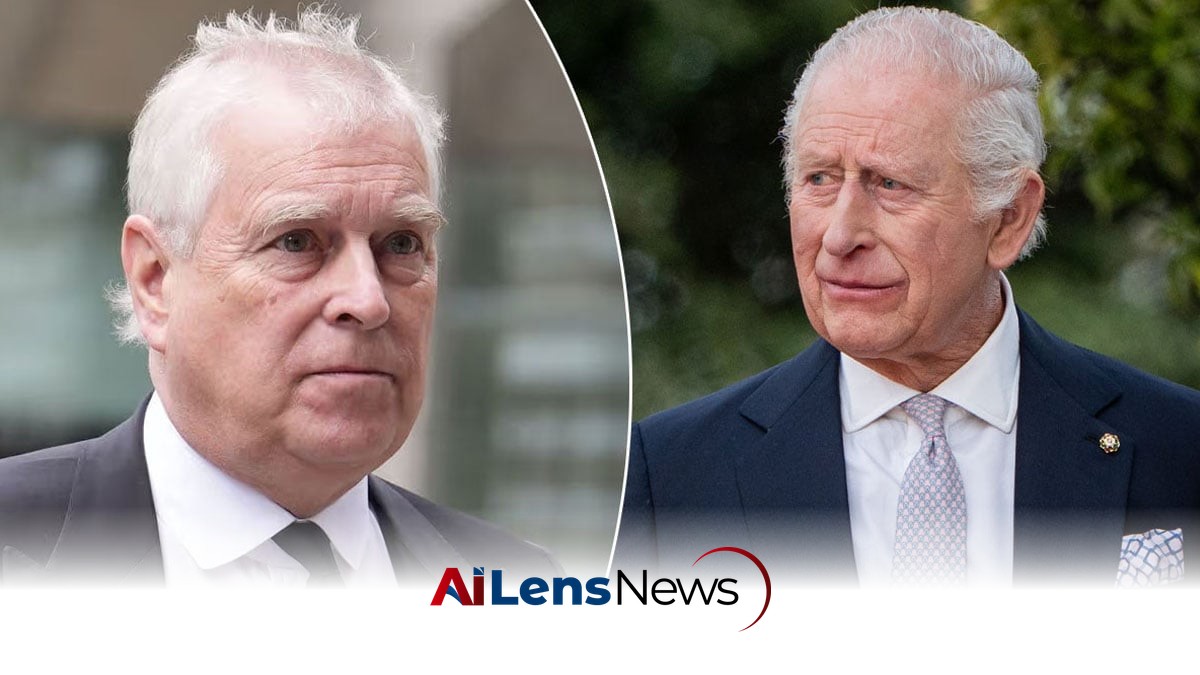


Andrew Mountbatten-Windsor is set to miss the royal family's summer retreat at Balmoral Castle, highlighting his ongoing exclusion from royal duties under King Charles III.
Islamabad, Pakistan Jul 27, 2026 ALN: Andrew Mountbatten-Windsor is again set to be an absent guest at the royal family’s traditional annual summer retreat at their Scottish estate, Balmoral Castle, indicating that his exile from official royal life is to continue under King Charles III.
Generally one of the highlights on the royal calendar, the Aberdeenshire estate plays host to a large gathering of royal family members—including the King and Queen, and the Prince and Princess of Wales—who stay at Balmoral for the entire duration of the summer months. The retreat serves not only as a vacation spot but also as a venue for family bonding, allowing members to engage in outdoor activities such as hiking, fishing, and picnicking in the lush Scottish landscape. The significant historical and emotional weight of Balmoral is evident, as it has been a beloved retreat for the royal family for generations, offering a respite from the public eye and a chance to reconnect with nature and each other.
Andrew withdrew from public and royal life in November 2019 following immense public pressure stemming from his interview on BBC Newsnight concerning his friendships with billionaire financier Jeffrey Epstein. The fallout from this interview was significant, leading to widespread criticism and a reevaluation of his role within the royal family. Elizabeth II eventually removed all of Andrew’s patronages and military titles in January 2022, further solidifying his status as a non-working royal. He no longer uses the ‘His Royal Highness’ title in public or private use, marking a stark departure from his previous position within the royal hierarchy. This transformation in Andrew's status highlights the increasing demands for accountability and transparency from public figures, particularly those in positions of privilege.
Since becoming king, Charles has enforced his idea of a smaller, more focused monarchy, emphasizing the importance of public perception and accountability. This shift reflects a broader trend within royal families around the world, where the public is increasingly scrutinizing the behaviors and roles of royals. King Charles III has made it clear that he intends to keep working royals separate from the non-working members of the family, which has significant implications for how the monarchy is perceived and operated in the modern era. The delineation between those who fulfill royal duties and those who do not is becoming more pronounced, as the monarchy seeks to maintain relevance in a rapidly changing social landscape.
Although the former prince did privately join other royals for some of the church services on Windsor when Queen Elizabeth II was alive, he is kept out of the royal public life. This exclusion from Balmoral and other royal engagements signifies a clear delineation between those who fulfill royal duties and those who do not, reinforcing the idea that actions have consequences within the royal family. This approach not only serves to protect the integrity of the monarchy but also reflects the growing expectation for public figures to uphold certain ethical standards.
Balmoral Castle has been a significant sanctuary to the British royal family since the late 19th-century, after Queen Victoria purchased the estate for Prince Albert and their children. The large property in the countryside is used by members of the Monarchy as a way to escape from public royal duty. It is a place steeped in history, where many significant family moments have taken place, including the Queen's annual summer holidays where she would spend time with her family, and where many royal traditions have been established. The estate is not merely a residence; it embodies the royal family's connection to Scotland and the natural beauty of the Highlands.
The sprawling grounds, which include gardens, forests, and a variety of wildlife, provide a stark contrast to the often formal and structured environment of royal duties. For many royals, Balmoral represents a retreat from the pressures of public life, a place where they can engage in leisure activities and bond away from the public eye. The serene environment of Balmoral allows for personal reflection and family bonding, making it a cherished location for the royal family.
In recent years, Balmoral has also become a symbol of the evolving nature of the British monarchy. As the royal family navigates contemporary challenges, including public scrutiny and calls for greater transparency, the significance of Balmoral has grown. The estate serves as a backdrop for family unity, but it also highlights divisions within the family, particularly with Andrew's continued absence from royal gatherings. The juxtaposition of Balmoral's tranquil setting against the backdrop of family tensions underscores the complexities facing the monarchy in the 21st century.
The continuing exclusion of Andrew Mountbatten-Windsor from public royal meetings and family get-togethers at Balmoral clearly suggests that the King is set to keep the estranged member of the family well clear of the public-facing Monarchy. This exclusion has broader implications for the royal family’s public image and its ability to adapt to changing societal expectations. By distancing himself from Andrew, King Charles III is likely attempting to reinforce the monarchy's commitment to accountability and responsibility, particularly in light of recent scandals that have plagued the royal family. This move can be seen as a strategic effort to restore public trust in the institution and to demonstrate that the monarchy is responsive to the concerns of the populace.
Moreover, Andrew's absence raises questions about the future role of non-working royals within the monarchy. As the royal family continues to modernize, the delineation between those who actively participate in royal duties and those who do not may become increasingly pronounced. This could lead to a reevaluation of how non-working royals are perceived and treated, both within the family and by the public. The implications of this shift could affect not only Andrew but also other members of the royal family who may find themselves in similar positions in the future.
Additionally, Andrew's situation serves as a cautionary tale for other members of the royal family. It underscores the importance of maintaining a positive public image and the potential consequences of personal actions on one's royal standing. As the monarchy seeks to navigate a complex landscape of public opinion, the stakes for individual royals have never been higher. The ongoing scrutiny of royal behavior suggests that personal conduct will increasingly influence public perceptions and the legitimacy of the monarchy.
In conclusion, Andrew Mountbatten-Windsor's continued exclusion from Balmoral and public royal life reflects a significant shift in the monarchy under King Charles III. As the royal family seeks to redefine its role in modern society, the implications of this exclusion extend beyond Andrew himself, influencing perceptions of the monarchy and its members. The future of the royal family may well depend on its ability to adapt to these changes while maintaining the traditions and values that have long defined the institution. The evolving dynamics within the royal family highlight the need for a careful balancing act between tradition and modernity, as they navigate the challenges of contemporary society.
To learn more about the latest developments in Politics, stay updated with our exclusive reports and analyses on AiLensNews.

