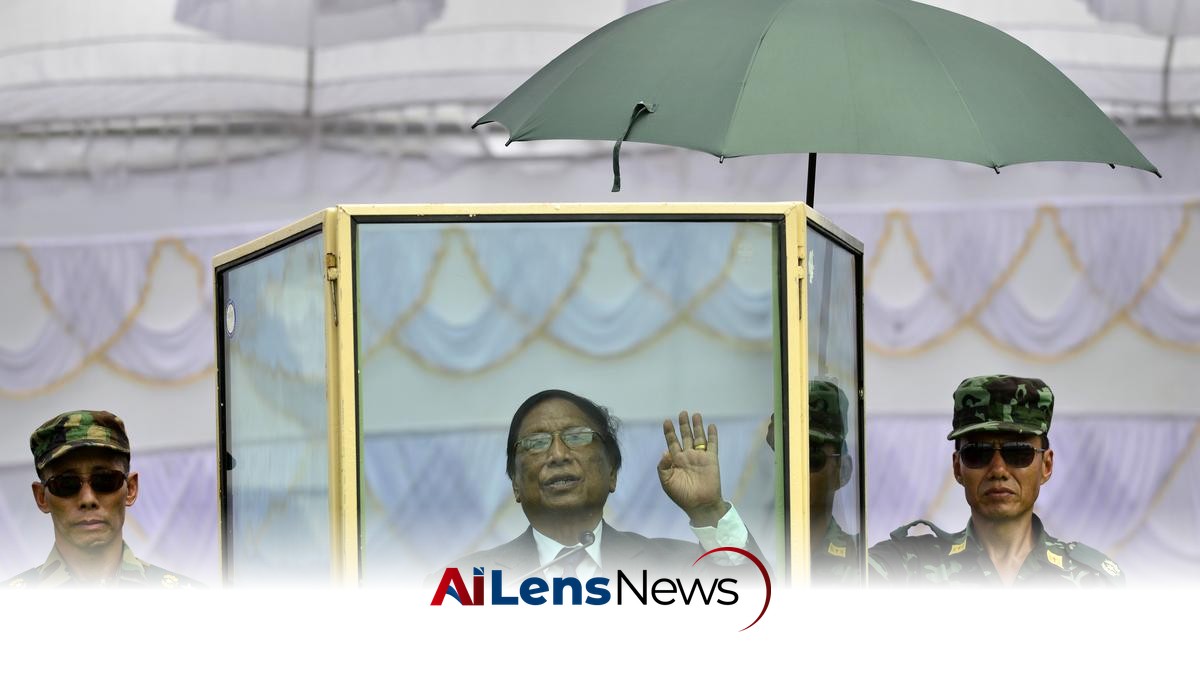


NSCN-IM denies involvement in Manipur attack, reaffirms commitment to peace process and urges restraint from all stakeholders.
New Delhi, India Jul 7, 2026 ALN: The Naga group NSCN-IM has publicly denied any involvement in the ambush on an Assam Rifles convoy in Manipur's Ukhrul district, which resulted in the deaths of two personnel. The organization emphasized its commitment to the ceasefire agreement and the ongoing peace process. This denial comes at a time when tensions in the region have been high, with various factions vying for control and influence over the politically sensitive areas of Manipur and Nagaland.
In a formal statement, NSCN-IM asserted that the attack, which occurred in the Nungshang Khong area, was allegedly executed by an armed group suspected to be the breakaway 'Eastern Flank' faction. This faction has been known to operate independently from the NSCN-IM, raising concerns about the stability and unity among Naga groups. The NSCN-IM stressed that it had "no connection whatsoever" to the incident, attempting to distance itself from the violence that has plagued the region.
The history of conflict in this area dates back several decades, rooted in a complex web of ethnic, political, and social issues. The Naga people have long sought greater autonomy and recognition from the Indian government, leading to a protracted insurgency that has resulted in numerous casualties on both sides. The NSCN-IM, or the Socialist Council of Nagaland (Isak-Muivah), has been one of the most prominent groups advocating for Naga rights and has been engaged in peace talks with the Indian government since the mid-1990s.
NSCN-IM reiterated that it was "neither involved in nor had any knowledge" of the ambush and reaffirmed its dedication to the ceasefire agreement signed with the Indian government. The organization expressed its commitment to uphold its responsibilities under the agreed ground rules. This commitment to the ceasefire is particularly significant, as it reflects the group's desire to maintain a semblance of peace amidst ongoing hostilities in the region.
Furthermore, NSCN-IM stated that it would "never resort to any action that could undermine, derail or sabotage the ongoing Indo-Naga political negotiations." The group emphasized that achieving an honorable and peaceful political solution remains its unwavering commitment. This statement is crucial, as it highlights the delicate balance that NSCN-IM must maintain between its armed struggle for Naga rights and the political negotiations with the Indian government.
In light of the recent violence, NSCN-IM condemned all actions that could be detrimental to the peace process and the political talks. The organization urged all stakeholders to exercise restraint and responsibility to ensure that progress towards a peaceful resolution is not jeopardized. This call for restraint is essential, as the region has seen a resurgence of violence in recent years, often escalating into broader conflicts that involve multiple factions and communities.
The ambush on the Assam Rifles convoy resulted in the deaths of two personnel, identified as Warrant Officer Balwant Singh and Havildar Chandra Mohan Singh, with several others sustaining injuries. The attack took place on Monday, July 6, 2026, in the Naga-majority district. The targeting of security forces in this manner raises serious concerns about the safety of military personnel operating in the region and the potential for further escalation of violence.
Following the incident, Assam Rifles Director General Lt Gen Vikas Lakhera paid tribute to the two soldiers who made the ultimate sacrifice in the line of duty. In response to the ambush, security forces have initiated search operations in the area, while the state government has vowed to take strict action against those responsible for the attack. The government's response reflects the ongoing challenges faced by security forces in maintaining order in a region marked by ethnic divisions and insurgent activities.
The implications of this incident extend beyond the immediate loss of life. It underscores the fragile nature of the peace process in the region, which has been built on years of negotiations and ceasefire agreements. The NSCN-IM's public denial of involvement in the attack may be an attempt to preserve its position in the ongoing talks with the Indian government, as any association with violent acts could jeopardize its standing and credibility.
The broader context of the Naga peace process is marked by a series of complex negotiations involving various stakeholders, including the Indian government, NSCN-IM, and other Naga groups. The peace talks aim to address longstanding grievances related to autonomy, identity, and political rights for the Naga people. However, the presence of splinter groups and factions, such as the 'Eastern Flank', complicates the landscape, as these groups may not adhere to the same ceasefire agreements or political objectives.
As the situation unfolds, it is crucial for all parties involved to engage in dialogue and seek peaceful resolutions to their differences. The NSCN-IM's commitment to the peace process, despite the recent violence, may provide a glimmer of hope for a more stable future in the region. However, the path to peace is fraught with challenges, and continued efforts are necessary to bridge the divides that have historically plagued the Naga people and their relationship with the Indian state.
In conclusion, the NSCN-IM's denial of involvement in the ambush, coupled with its reaffirmation of commitment to the peace process, highlights the complexities of the ongoing conflict in Manipur and Nagaland. The tragic loss of life serves as a stark reminder of the stakes involved, as all parties must navigate the difficult terrain of political negotiations, ethnic tensions, and the quest for autonomy. As the region moves forward, the hope remains that dialogue and restraint can pave the way for a lasting and honorable solution for the Naga people.
Moreover, the implications of such incidents extend to the broader socio-political landscape of Northeast India, where numerous ethnic groups have been involved in struggles for recognition and autonomy. The Naga conflict is emblematic of the larger issues faced by many communities in the region, including the demand for self-determination, cultural preservation, and political representation. The Indian government's approach to these issues has often been criticized for being heavy-handed, leading to further alienation of local populations.
In the aftermath of the ambush, the Indian government may face pressure to take a more proactive stance in addressing the underlying issues that fuel such violence. This could involve not only strengthening security measures but also engaging in more meaningful dialogue with various ethnic groups to understand their grievances and aspirations. Failure to do so may result in further violence and instability, not just in Manipur and Nagaland but across the entire Northeast region.
Furthermore, the role of civil society organizations and local leaders will be critical in fostering dialogue and reconciliation among different factions. These groups can play a significant role in bridging divides and promoting peacebuilding initiatives that prioritize the needs and voices of the communities directly affected by the conflict. Their involvement may also help in creating a more inclusive political environment where all stakeholders feel represented and heard.
As the Naga peace process continues, the inter community's role may also become increasingly relevant. Observers from outside the region can provide valuable insights and facilitate dialogue between conflicting parties. Additionally, inter support for peacebuilding efforts may help to legitimize the aspirations of the Naga people and other ethnic groups in their quest for autonomy and recognition.
In summary, the recent ambush and the NSCN-IM's subsequent denial of involvement illustrate the complexities of the ongoing conflict in Manipur and Nagaland. As all parties work towards a peaceful resolution, it is essential to recognize the multifaceted nature of the challenges at hand. Addressing the root causes of the conflict, engaging all stakeholders in meaningful dialogue, and fostering a culture of peace and reconciliation will be crucial steps in ensuring a sustainable and just solution for the Naga people and the broader Northeast region of India.
To learn more about the latest developments in Crime & Law, stay updated with our exclusive reports and analyses on AiLensNews.

