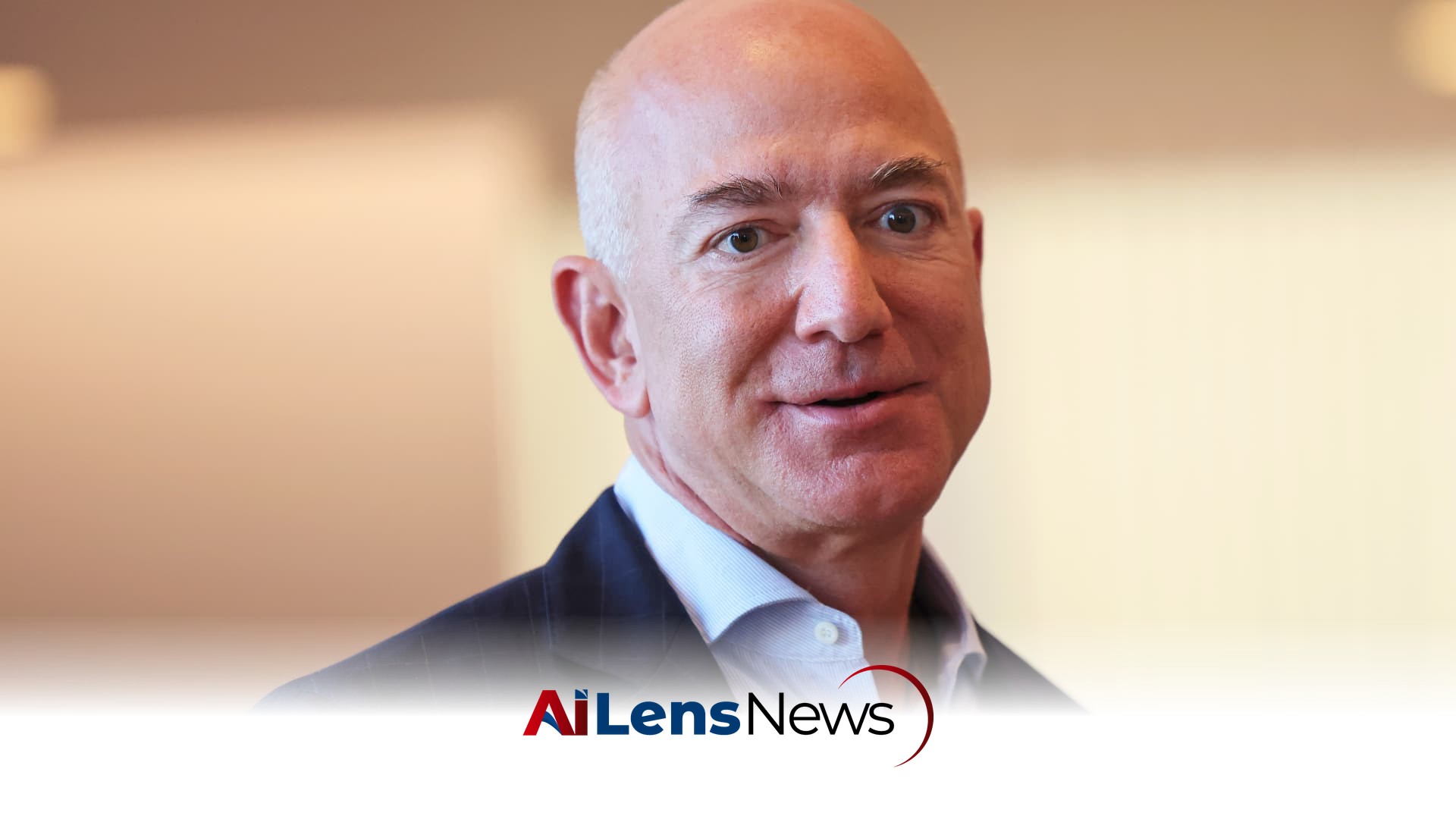


The Washington Post was set to endorse Kamala Harris over Donald Trump, but owner Jeff Bezos intervened, leading to a change in the decision.
Washington DC, United States Oct 25, 2024 ALN: The Washington Post was reportedly on the verge of endorsing Kamala Harris for the presidency over Donald Trump. However, a last-minute intervention by Jeff Bezos, the owner of the newspaper and founder of Amazon, led to a reversal of this decision.
This revelation raises questions about the influence of ownership on editorial decisions within major news organizations. The Washington Post, known for its rigorous journalism and political coverage, has often been at the forefront of national political discourse. Founded in 1877, the newspaper has a long history of significant reporting, including breaking the Watergate scandal, which led to the resignation of President Richard Nixon. With such a legacy, the implications of ownership influence are particularly noteworthy.
Endorsements from major newspapers can significantly impact public perception and voter behavior. The Washington Post's endorsement of a candidate is typically seen as a stamp of approval from a respected institution, which can sway undecided voters. In previous elections, endorsements have been shown to correlate with increased support for candidates, as they often lend credibility and visibility to their campaigns. For instance, in the 2008 election, endorsements from various newspapers were viewed as pivotal in shaping public opinion about Barack Obama, especially among moderate voters.
In the context of the 2024 presidential election, Harris's potential endorsement would have been particularly significant. As a prominent figure in the Democratic Party and the first female vice president, her candidacy represents a crucial moment in American political history. An endorsement from The Washington Post could have solidified her position among Democratic voters and provided her campaign with a much-needed boost in a highly competitive political environment.
Jeff Bezos acquired The Washington Post in 2013, and since then, there has been ongoing scrutiny regarding how his ownership might affect the newspaper's editorial independence. Critics argue that a billionaire's influence could lead to conflicts of interest, especially in politically charged situations. This concern is not unique to The Washington Post; it reflects a broader apprehension about the concentration of media ownership in the hands of a few wealthy individuals. Such concentration can lead to questions about whose interests are being served and whether editorial decisions are being influenced by personal or financial considerations.
Bezos's ownership has been marked by significant investments in digital journalism and a commitment to maintaining high journalistic standards. However, the recent incident underscores the tension that can exist between ownership and editorial autonomy. The decision to halt the endorsement raises questions about how much influence Bezos may wield over the newspaper's political stances and the implications this has for the broader media landscape.
The decision to halt the endorsement has sparked discussions among journalists and political analysts. Some believe that such interventions undermine journalistic integrity, while others argue that ownership has always played a role in shaping editorial policies. The debate is reflective of a larger conversation about the role of media in democracy and the responsibilities of media owners. Critics of Bezos's intervention suggest that it sets a dangerous precedent, where the interests of ownership can override the principles of independent journalism.
Supporters of the decision may argue that the media landscape is inherently influenced by ownership, and that it is unrealistic to expect complete separation between ownership and editorial content. They may contend that the financial realities of operating a major newspaper in the digital age necessitate a certain level of alignment between owners and editorial decisions. This perspective highlights the complex dynamics at play in modern journalism, where financial viability and editorial independence often collide.
As the political landscape evolves, the role of media endorsements will continue to be a topic of debate. The Washington Post's decision not to endorse Harris may have implications for her campaign and for how voters perceive the media's role in politics. In an era characterized by increasing polarization and skepticism of the media, the credibility of endorsements is more crucial than ever. The perception that endorsements are influenced by ownership may lead to further distrust among voters, particularly among those who already feel alienated from traditional media outlets.
Moreover, as the 2024 elections approach, the implications of media ownership on political endorsements could shape the strategies of candidates and their campaigns. Candidates may seek to align themselves with media figures who have a reputation for independence or may attempt to circumvent traditional media channels altogether in favor of social media platforms, where they can control their messaging more directly. This shift could lead to a transformation in how political campaigns are conducted and how voters engage with news and information.
In conclusion, this incident highlights the delicate balance between ownership and editorial independence in journalism. As the 2024 elections approach, the influence of media endorsements will remain a critical factor in shaping the electoral landscape. The ongoing discussions surrounding Bezos's intervention reflect broader concerns about the integrity of journalism in a time when the media's role in democracy is under scrutiny. Ultimately, the relationship between ownership and editorial content will continue to evolve, shaping not only the future of The Washington Post but the broader media ecosystem as well.
The implications of Bezos's intervention extend beyond just the endorsement of a single candidate. They touch upon the broader dynamics of media ownership and the potential consequences for democracy itself. When media outlets are owned by individuals with substantial political or economic interests, it raises the question of whether the news being reported is truly independent or if it is influenced by the personal views of the owner.
This situation also highlights the evolving nature of media consumption. With the rise of social media and alternative news platforms, traditional newspapers like The Washington Post face increasing competition for audience attention. As a result, the stakes for endorsements and editorial decisions have never been higher. Candidates may feel pressure to engage with these new platforms to reach voters directly, bypassing traditional media channels altogether.
Additionally, the role of fact-checking and accountability in journalism becomes paramount in such an environment. As misinformation spreads rapidly through social media, reputable news organizations are tasked with not only reporting the news but also ensuring that the information they provide is accurate and trustworthy. The perception of bias or influence from ownership can undermine this trust, making it all the more challenging for media outlets to fulfill their role as watchdogs in a democratic society.
As discussions continue regarding the intersection of media ownership and editorial independence, it will be essential for journalists, media organizations, and the public to remain vigilant. The integrity of journalism is crucial for a functioning democracy, and any perceived compromise can have lasting effects on public trust and engagement. The Washington Post's endorsement decisions will likely be scrutinized closely in the future, as voters seek to understand the influences behind the news they consume.
To learn more about the latest developments in Politics, stay updated with our exclusive reports and analyses on AiLensNews.

