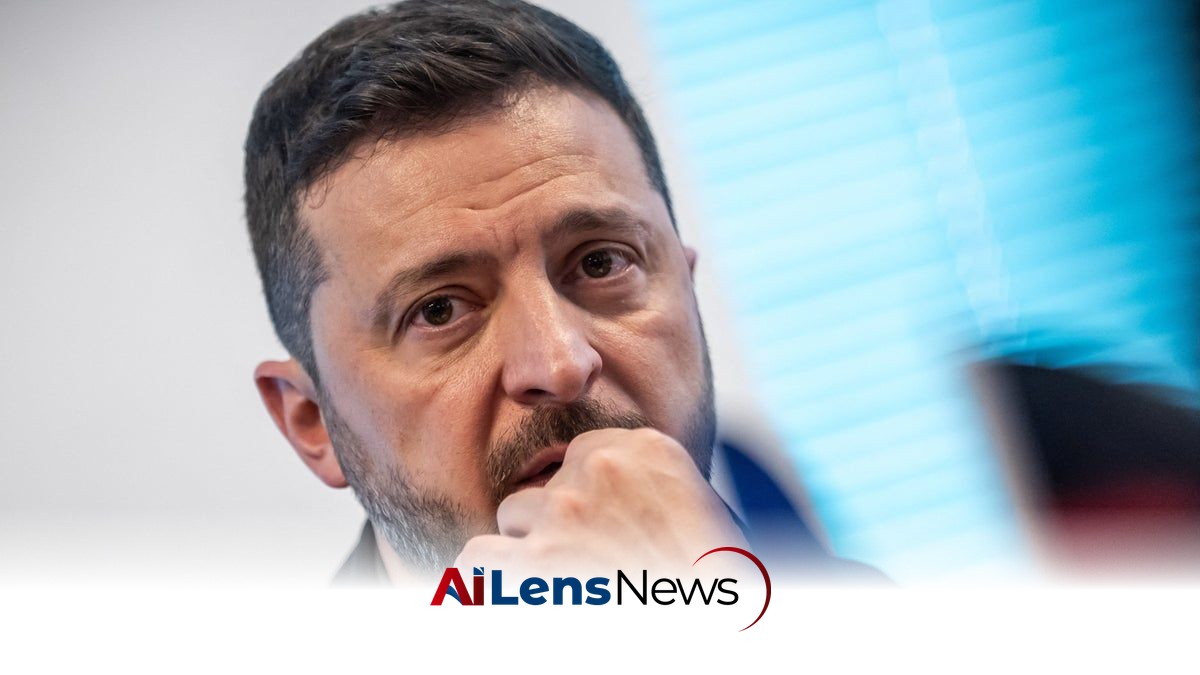


Following a series of Russian missile and drone attacks that killed eight, President Zelensky calls for expedited military support from allies.
London, United Kingdom Jul 12, 2026 ALN: President Volodymyr Zelensky has emphasized the urgent need for Ukraine's allies to expedite weapons supplies, following recent Russian missile and drone attacks that resulted in eight fatalities and numerous injuries. In his nightly video address, Zelensky stated, "I am preparing changes in Ukraine's diplomatic efforts. We need a new level of cooperation with our partners to ensure that agreements on arms supplies are fulfilled." This statement comes at a time when Ukraine is facing intensified military aggression from Russia, which has escalated the conflict significantly.
The backdrop of this urgency is the ongoing war that began in February 2022, when Russia launched a full-scale invasion of Ukraine, marking a pivotal moment in European security. The invasion has led to widespread destruction and significant loss of life, with millions of Ukrainians displaced both internally and as refugees across Europe. The conflict has drawn international condemnation and resulted in sweeping sanctions against Russia, aimed at crippling its economy and military capabilities. The war has not only reshaped the geopolitical landscape in Europe but has also raised concerns about the potential for further escalation in global conflicts.
In his address, Zelensky stressed that agreements reached by national leaders must be implemented more swiftly and comprehensively. This call to action comes as Ukraine has intensified its military operations, targeting Russian tankers in the Sea of Azov to disrupt fuel supplies to Russian forces and isolate Moscow-occupied Crimea. The strategic importance of Crimea cannot be understated, as it serves as a critical logistical hub for Russian military operations in southern Ukraine. Control over Crimea is vital for both sides, as it allows for the movement of troops, supplies, and equipment necessary for sustained military engagement.
In the first four days of the week, Ukraine successfully targeted at least 36 Russian ships, setting many ablaze in the Sea of Azov and the Black Sea, according to the Ukrainian defense ministry. These operations included strikes on 32 Russian "shadow fleet" tankers and two dry cargo ships, all of which were reportedly attempting to deliver fuel to Crimea. The Ukrainian military's focus on disrupting Russian supply lines is a tactical maneuver aimed at weakening the enemy's operational capabilities. Such operations are part of a broader strategy to undermine the Russian military's logistical support, which is crucial for sustaining their offensive operations.
On the same day, Russian missile and drone strikes on Ukraine led to significant casualties. In the northern city of Sumy, glide bombs struck a crowded area, killing five and injuring around 30 others. One bomb hit a bus stop, severely damaging a yellow bus. Additionally, a man was killed by an explosive device in a border district of the Sumy region. These attacks highlight the indiscriminate nature of the conflict, with civilians often bearing the brunt of military operations. The targeting of civilian infrastructure and populated areas raises serious concerns regarding war crimes and the adherence to international humanitarian law.
As the conflict escalates, Ukrainian forces have also launched attacks on oil facilities in Russia, including a recent strike on an oil refinery in the Samara region. This has resulted in a widespread fuel crisis across Russia, with reports of gasoline shortages and long lines at gas stations. The ripple effects of the conflict are being felt not only in Ukraine but also within Russia, as the war disrupts everyday life and economic stability. The economic repercussions of the conflict extend beyond immediate military needs, affecting the livelihoods of ordinary Russians and potentially leading to domestic unrest.
In response to Ukraine's drone strikes, Moscow has intensified its bombardment of Kyiv and other cities, highlighting Ukraine's vulnerability to ballistic missile attacks. The ongoing conflict has led to a critical shortage of munitions for Ukraine's Patriot air defense systems, which have struggled to intercept fast-moving ballistic missiles. This has raised concerns about the effectiveness of Ukraine's air defense capabilities and the potential for further casualties among civilians. The inability to effectively counter aerial threats poses a significant risk to urban centers and critical infrastructure, complicating Ukraine's defensive operations.
President Zelensky's appeal for faster military support underscores the urgency of Ukraine's situation. With the ongoing conflict and rising casualties, the need for timely and effective international assistance has never been more critical. Zelensky's administration is seeking to enhance diplomatic efforts to secure the necessary arms to defend against continued Russian aggression. The international community's role is vital, as military aid from Western nations has been a cornerstone of Ukraine's defense strategy. The provision of advanced weaponry, intelligence sharing, and logistical support has enabled Ukraine to mount a more effective resistance against Russian forces.
Countries such as the United States, Germany, and the United Kingdom have provided significant military assistance, including advanced weaponry and training for Ukrainian forces. However, the pace of supply has often lagged behind the pressing needs on the ground. The complexities of international arms agreements, logistical challenges, and political considerations all contribute to the delays observed in the delivery of military support. Furthermore, the geopolitical implications of supplying arms to Ukraine continue to be a contentious issue among NATO allies, as they balance support for Ukraine with concerns about provoking further escalation with Russia.
As the situation develops, the international community's response will play a pivotal role in shaping the future of the conflict and the security of Ukraine. The implications of this conflict extend beyond Ukraine's borders, affecting global energy markets, international relations, and security dynamics in Europe and beyond. The war has prompted NATO to bolster its eastern flank and reassess its strategies in response to perceived threats from Russia. Countries across Europe are increasingly aware of the need for a unified response to Russian aggression, which has led to discussions about enhancing collective defense measures and readiness.
The humanitarian impact of the war cannot be overlooked. Millions of Ukrainians have been displaced, and the ongoing violence has created a dire humanitarian crisis. International organizations are working to provide aid to those affected, but the scale of need continues to grow as the conflict persists. Zelensky's administration is not only focused on military support but also on securing humanitarian assistance to help those in need. The plight of refugees and internally displaced persons has become a pressing issue, with many facing inadequate access to basic necessities such as food, water, and medical care.
In conclusion, the situation in Ukraine remains fluid and precarious. President Zelensky's urgent call for increased military support reflects the dire circumstances faced by the country as it navigates a brutal conflict with Russia. The response from the international community will be crucial in determining Ukraine's ability to defend itself and eventually seek a resolution to the conflict that respects its sovereignty and territorial integrity. As the war continues, the global community must remain vigilant and responsive to the evolving dynamics of this conflict, ensuring that support for Ukraine is not only sustained but also adapted to meet the changing realities on the ground.
To learn more about the latest developments in World News & International Affairs, stay updated with our exclusive reports and analyses on AiLensNews.

