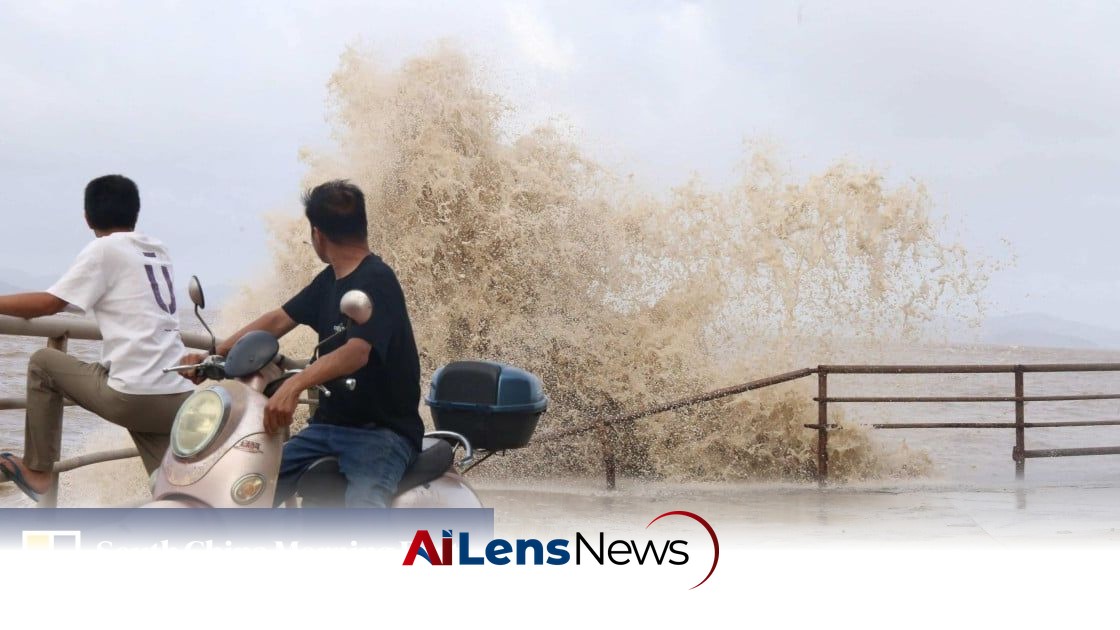


As Typhoon Bavi approaches, Shanghai and Hangzhou prepare for impact with flight cancellations and evacuations. Emergency measures are underway in Zhejiang province.
London, United Kingdom Jul 11, 2026 ALN: Typhoon Bavi has emerged as a significant weather event affecting eastern China, particularly the bustling metropolitan areas of Shanghai and Hangzhou. As the typhoon approached, local authorities took proactive measures to ensure the safety of residents, raising the local typhoon warning to a heightened level. This decision reflects the government's commitment to disaster preparedness and the protection of public safety during extreme weather events.
The typhoon warning was escalated to a yellow alert, which is the third highest level in China's four-tier warning system. This system is designed to provide timely information about severe weather conditions to the public, allowing for appropriate responses. The blue alert indicates relatively mild conditions, while the yellow alert warns of potential hazards that could disrupt normal life and pose risks to safety. The red alert, the highest level, indicates extremely severe conditions that can lead to significant danger to life and property. The escalation to a yellow alert signifies that authorities are taking the threat seriously and are prepared to implement necessary measures to protect residents.
As part of the response to Typhoon Bavi, Shanghai's transport authorities implemented strict measures to mitigate the impact of the storm. By limiting the speed on the overground sections of four subway lines, they aimed to ensure the safety of commuters and reduce the risk of accidents caused by adverse weather conditions. The potential for further restrictions or partial suspensions of subway services on Sunday and Monday highlights the seriousness of the situation and the need for ongoing assessment as the storm progresses. Public transport systems are crucial for the daily commutes of millions in these cities, and maintaining safe operations during a typhoon is a priority for city planners and transport officials.
In addition to subway adjustments, the municipal government imposed a speed limit of 60 km/h (35 mph) on all highways, further aiming to enhance road safety. This limit is particularly crucial as heavy rains and strong winds associated with the typhoon could create hazardous driving conditions. The cancellation of ferry services also underscores the authorities' efforts to minimize risks associated with water transport during severe weather. Ferries are a common means of transport in Shanghai, given its extensive waterways, and their suspension is a significant measure to prevent accidents and ensure public safety.
Community workers played a vital role in disseminating information and ensuring that residents were prepared for the impending storm. By patrolling the streets and using loudspeakers to remind citizens to secure their homes—closing windows and doors and bringing in outdoor objects—they helped to foster a community-wide sense of vigilance and preparedness. Such grassroots efforts are essential in ensuring that the public remains informed and ready to respond to natural disasters. Community engagement is often a critical component of effective disaster response, as it encourages individuals to take personal responsibility for their safety and the safety of their neighbors.
The impact of Typhoon Bavi extended beyond safety measures and transportation adjustments, as numerous events were cancelled in anticipation of the storm. High-profile events, such as a fireworks display in the Pudong district and a tourism festival along the banks of the Suzhou River, were called off to prioritize public safety. These cancellations not only reflect the immediate concerns regarding the storm but also hint at the broader economic implications, as such events often contribute significantly to local tourism and commerce. The loss of these events can have a ripple effect on local businesses that rely on the influx of tourists and residents participating in festivities.
Shanghai Disney Resort's decision to delay its opening time on Sunday from 10 am to 12 pm is another indication of the storm's impact on local businesses and attractions. Theme parks and entertainment venues often rely on weekend visitors, and adjusting their schedules in response to severe weather can have financial repercussions, especially during peak tourist seasons. The tourism sector in Shanghai is a vital part of the local economy, and disruptions caused by natural disasters can lead to significant financial losses for businesses that depend on steady foot traffic.
The aviation sector was also significantly affected by Typhoon Bavi, with major airlines such as China Eastern Airlines and Shanghai Airlines cancelling a total of 188 flights serving airports in Shanghai and surrounding provinces, including Zhejiang, Fujian, and Jiangxi. Juneyao Airlines further reported the cancellation of 116 domestic and international flights on Saturday, with expectations of additional cancellations on Sunday. These disruptions highlight the interconnectedness of transportation networks and the cascading effects that severe weather can have on travel and logistics. With hundreds of flights cancelled, travelers faced significant inconveniences, including delays, rebookings, and potential financial losses, particularly for those with non-refundable tickets.
The implications of Typhoon Bavi are not just immediate but also long-term, as the storm is likely to influence urban planning and disaster response strategies in the region. Increasingly frequent and severe weather events, attributed in part to climate change, necessitate a reevaluation of how cities like Shanghai and Hangzhou prepare for and respond to such challenges. This includes investments in infrastructure that can withstand extreme weather, as well as improved emergency response systems that can effectively communicate risks to residents. Urban planners may need to consider more resilient designs for buildings and public spaces, as well as enhanced drainage systems to mitigate flooding.
As Typhoon Bavi continues to approach, residents of Shanghai and Hangzhou are urged to remain vigilant and adhere to safety advisories issued by local authorities. The situation is fluid, and ongoing assessments will determine the necessary responses as the storm progresses. The collaboration between government agencies, community organizations, and the public will be crucial in navigating the challenges posed by Typhoon Bavi and ensuring the safety and well-being of all residents in the affected areas. The role of social media and digital communication platforms has also become increasingly important in disseminating timely information, allowing for rapid updates on the storm's trajectory and safety measures.
In conclusion, the response to Typhoon Bavi illustrates the complexities of managing natural disasters in densely populated urban environments. The measures taken by local authorities, from transportation adjustments to community outreach, reflect a comprehensive approach to disaster preparedness. As the region braces for the storm, the focus remains on ensuring public safety while also considering the broader implications for urban resilience in the face of climate-related challenges. The experiences gained from Typhoon Bavi could inform future strategies for disaster management, emphasizing the need for ongoing education and preparedness initiatives within communities to better equip them for similar events in the future.
To learn more about the latest developments in Science & Environment, stay updated with our exclusive reports and analyses on AiLensNews.

