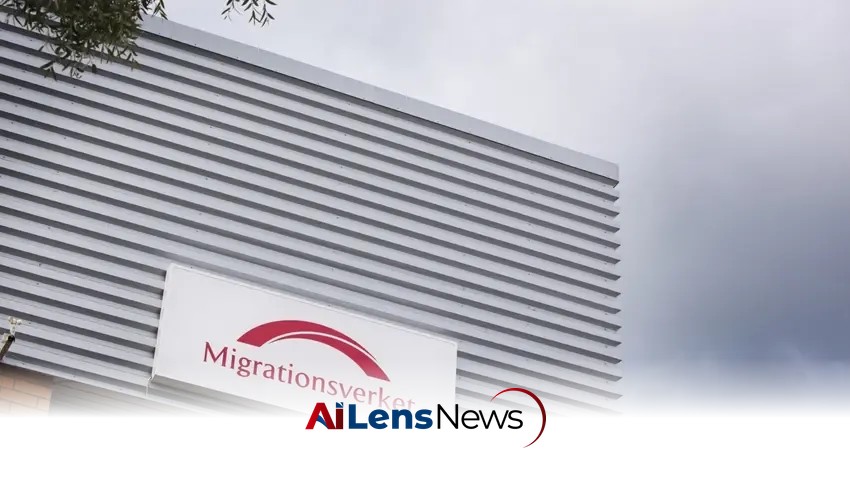


Sweden is set to implement new rules that will simplify the process for work permit holders to change employers without needing to apply for a new permit.
London, United Kingdom Jul 12, 2026 ALN: Sweden is taking significant steps to modernize its work permit regulations, particularly for foreign workers, as it seeks to align with a new European Union directive aimed at streamlining the process for third-country nationals. This change comes amid broader discussions in Europe regarding labor mobility and the integration of skilled workers into local economies, especially in light of labor shortages in various sectors. The urgency of these reforms is underscored by the ongoing demographic shifts in Europe, where an aging population and declining birth rates are creating a pressing demand for skilled labor.
The existing framework in Sweden requires work permit holders to apply for a new permit if they change employers within the first two years of their employment. This rule has often been criticized for being overly restrictive and complex, potentially leading to job insecurity for foreign workers who may find themselves in precarious employment situations, such as when their original employer goes bankrupt or when they lose their job for other reasons. The proposed changes are expected to alleviate these concerns and foster a more flexible labor market by allowing workers to pursue better opportunities without the fear of losing their legal status.
Under the new rules, set to take effect on February 1st, 2027, work permit holders will no longer be burdened with the requirement of submitting a completely new application when they switch employers. Instead, they will simply need to notify the Migration Agency of their change of employer. This notification process is designed to be straightforward, although it is crucial for the applicants to comply, as failing to inform the agency could result in the withdrawal of their work permit. The Migration Agency will then review the specifics of the new role to ensure that it meets the necessary criteria for a valid work permit, which includes aspects such as salary thresholds and job descriptions that align with the applicant's qualifications.
Currently, the first two-year work permits are tied to both a specific employer and a specific role. After this initial period, permits become more flexible, being tied only to the role rather than the employer. This change is significant as it encourages labor mobility, allowing workers to seek new opportunities without the fear of losing their legal status in the country. The implications of this shift are profound, especially in sectors facing acute labor shortages, where employers may struggle to fill positions due to rigid immigration rules. For instance, industries such as healthcare, technology, and engineering are often in dire need of skilled professionals, and these changes could help alleviate some of that pressure.
Furthermore, the new proposal also addresses the rules surrounding trial periods in employment contracts. Traditionally, the Migration Agency could only issue a work permit for the duration of an applicant's work contract, which often includes trial periods lasting less than six months. This limitation can be problematic, as it does not accommodate the realities of the job market where trial periods are common. Under the revised regulations, the agency will have the authority to issue permits for a maximum of two years, even during trial periods. This change allows for greater flexibility and encourages employers to offer trial contracts without the fear of losing the ability to employ foreign workers if the trials do not lead to full-time positions.
The Swedish government submitted this proposal to the Council on Legislation on July 8th, 2026, which is responsible for reviewing bills to ensure they align with existing laws before they are presented to parliament. This step is crucial in the legislative process, as it allows for thorough scrutiny and potential adjustments based on legal compatibility and practical implications. The Council's review will also provide an opportunity for stakeholders, including employers and labor unions, to voice their opinions on the proposed changes, ensuring that the final legislation reflects a balanced approach to labor mobility.
The new regulations are part of Sweden's commitment to comply with an EU directive adopted in April 2024, which aims to simplify the processes for third-country citizens seeking work and residence permits in EU member states. This directive reflects a broader EU strategy to enhance labor mobility across the continent, recognizing the need for skilled workers in various sectors and the economic benefits that come from attracting talent from outside the EU. The EU's approach is particularly relevant given the increasing globalization of labor markets and the competition among member states to attract the best talent.
As labor markets evolve, many European countries are grappling with the challenge of attracting and retaining skilled workers. Sweden's decision to ease work permit regulations is a proactive approach to encourage more foreign talent to consider Sweden as a viable destination for employment. This could potentially lead to an influx of skilled workers in critical sectors such as technology, healthcare, and engineering, which are often in high demand. Moreover, the ability to switch employers without extensive bureaucratic hurdles may make Sweden more appealing compared to other countries with more rigid immigration policies.
Furthermore, these changes could have significant socio-economic implications. By making it easier for foreign workers to switch jobs, Sweden may enhance job satisfaction and retention rates among this demographic, which could lead to a more stable workforce. Additionally, it may foster a more inclusive labor market, where diverse talents can contribute to the economy without the fear of bureaucratic hurdles hindering their career progression. A more satisfied workforce is likely to be more productive, which can have positive ripple effects throughout the economy.
However, while these changes are largely seen as positive, they also raise questions about how the Swedish labor market will adapt to increased competition from foreign workers. Employers may need to reassess their hiring practices and workplace cultures to accommodate a more diverse workforce. This could involve investing in diversity training and creating more inclusive work environments that recognize and value the contributions of workers from various backgrounds. Furthermore, the government will need to ensure that adequate support systems are in place for foreign workers, including language training and integration programs, to facilitate a smoother transition into the Swedish labor market. Such support is essential for helping foreign workers navigate the complexities of living and working in a new country, ultimately leading to better outcomes for both the workers and their employers.
In conclusion, Sweden's move to simplify work permit regulations for foreign workers marks a significant shift in its immigration policy, reflecting broader EU trends towards labor mobility and integration. As the country prepares to implement these changes by February 2027, it remains to be seen how these new rules will impact the labor market, the economy, and the experiences of foreign workers in Sweden. The government’s proactive stance may serve as a model for other EU nations facing similar challenges in attracting and retaining skilled labor, ultimately contributing to a more dynamic and inclusive European labor market. The success of these reforms will depend not only on the legislative process but also on the willingness of employers and society at large to embrace a more open and flexible approach to labor mobility.
To learn more about the latest developments in Economy, stay updated with our exclusive reports and analyses on AiLensNews.

