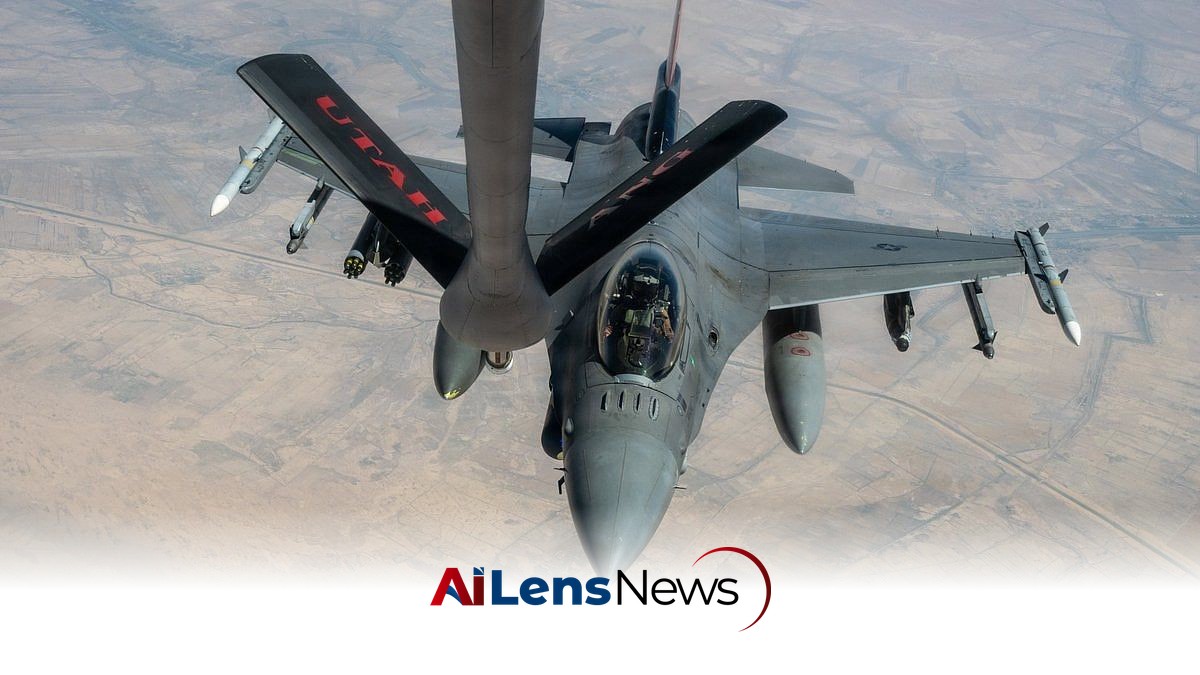


As tensions rise between the US and Iran, UAE residents should stay informed on diplomatic efforts, security concerns, and market impacts related to the Strait of Hormuz.
Abu Dhabi, United Arab Emirates Jul 11, 2026 ALN: As tensions escalate between the United States and Iran, residents of the UAE need to stay informed about key developments that could impact their daily lives. The situation is particularly critical regarding the Strait of Hormuz, a vital waterway for global oil and gas shipments. This narrow passage, which connects the Persian Gulf to the Gulf of Oman, is crucial not only for regional economies but also for the global energy market. Approximately 20% of the world’s oil supply passes through this strait, making it a focal point in international trade and a potential flashpoint for conflict.
President Trump has issued warnings about a potential prolonged military response, stating, "Orders have already been given, and the US Military is ready, willing, and able, for a one-year period of time, subject to extension, to completely decimate and destroy all areas of Iran." This statement underscores the seriousness of the current geopolitical climate, reflecting the heightened tensions that have characterized US-Iran relations over the past few years. The rhetoric from Washington has often been accompanied by military posturing, including the deployment of additional troops and assets to the region, which has further escalated fears of a potential military confrontation.
Despite the rising tensions, President Trump mentioned that Iran has requested further discussions, and Washington is open to continuing talks aimed at a permanent resolution to the conflict. This willingness to engage in dialogue is crucial, as it suggests that both sides are aware of the catastrophic consequences that a military conflict could entail. However, he also noted that the ceasefire is no longer in effect and warned that the US may consider other options if diplomatic efforts fail. The cessation of the ceasefire indicates a shift in the dynamics of the conflict, with both sides potentially preparing for more aggressive posturing.
US officials have indicated that time is limited for negotiators to reach an agreement, with critical issues including Iran’s nuclear program, regional security, and the safety of maritime passage. The nuclear program remains a contentious point, as Iran has been accused of pursuing nuclear weapons capabilities, while Tehran insists that its program is for peaceful purposes. The ongoing negotiations are complicated by Iran's insistence on lifting economic sanctions that have severely impacted its economy, while the US demands compliance with nuclear non-proliferation commitments.
The Strait of Hormuz continues to be at the center of the crisis.
The US has demanded that Iran publicly confirm that the waterway is open and guarantee that commercial vessels will not be targeted. This strategic waterway, located between Iran and Oman, is one of the world’s most important shipping routes, carrying a significant share of global oil and gas shipments. Any disruption in this area could lead to significant increases in global oil prices, affecting economies around the world, including that of the UAE, which is heavily reliant on oil exports.
Iran, on the other hand, insists that operations in the strait fall under its control and has suggested that ships may need to pay fees for passage, despite the waterway being widely recognized as an international maritime route. This assertion has raised eyebrows among international shipping companies and has the potential to create a precedent that could complicate maritime navigation in the region. The geopolitical implications of such a stance could lead to increased tensions not only with the US but also with other nations that rely on these shipping lanes.
Regional countries are working to prevent further escalation.
Iranian Foreign Minister Abbas Araghchi is expected to travel to Oman for discussions on the Strait of Hormuz and broader regional developments. Oman has historically played a mediating role in US-Iran relations, and its neutral stance allows it to facilitate dialogue between the two nations. Qatar and Pakistan have also increased diplomatic engagement, holding discussions with Iranian leaders, indicating a regional effort to de-escalate tensions. The involvement of these countries highlights the interconnectedness of Middle Eastern geopolitics, where the actions of one nation can significantly impact its neighbors.
Saudi Crown Prince Mohammed bin Salman has held talks with President Trump regarding regional developments, maritime security, and US-Iran negotiations. Additionally, Saudi Foreign Minister Prince Faisal bin Farhan discussed regional issues with US Secretary of State Marco Rubio, emphasizing the importance of continued coordination. The Saudi perspective is particularly significant, as the kingdom views Iran as a primary rival in the region, and any escalation could have direct implications for its national security.
New satellite imagery analyzed by CNN and the Institute for Science and International Security suggests that Iran may be repairing or rebuilding nuclear and missile facilities that were damaged in previous US-Israeli strikes. The images reportedly show activity at the Parchin military complex and the Taleghan 2 facility near Tehran, along with work around underground tunnels near Isfahan. These findings have raised concerns in Washington over whether Tehran has breached commitments under a June memorandum of understanding aimed at maintaining the status quo of its nuclear program.
The implications of such activities are profound, as they could potentially lead to a nuclear arms race in the region, prompting neighboring countries to pursue their own nuclear capabilities. The international community remains watchful of these developments, as any significant advancements in Iran's nuclear program could trigger a military response from the US or its allies, further destabilizing the region.
The ongoing tensions are influencing global financial markets, with investors closely monitoring oil supplies, shipping routes, and safe-haven assets. The uncertainty surrounding the Strait of Hormuz has led to fluctuations in oil prices, which are sensitive to geopolitical risks. Investors are particularly wary of any potential disruptions that could impact supply chains.
To learn more about the latest developments in World News & International Affairs, stay updated with our exclusive reports and analyses on AiLensNews.

