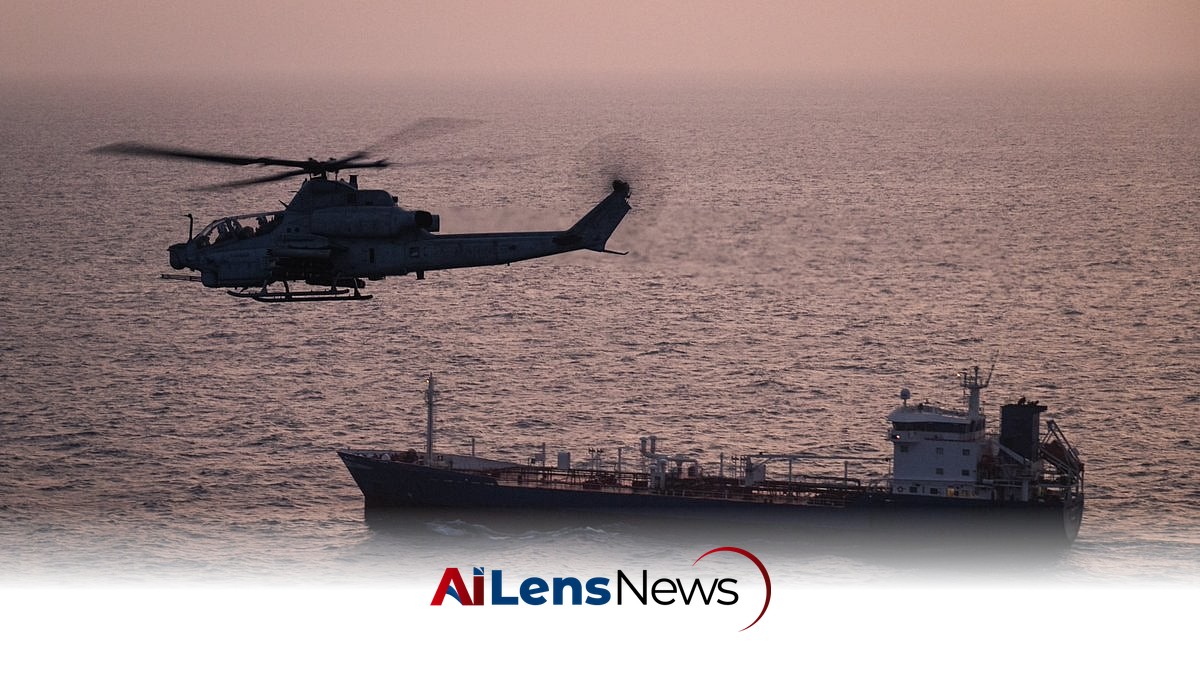


The Strait of Hormuz faces escalating tensions following an attack on a commercial vessel, raising concerns over global energy supplies and shipping security.
Abu Dhabi, United Arab Emirates Jul 12, 2026 ALN: The ongoing tensions in the Strait of Hormuz have escalated significantly following the recent attack on the Cyprus-flagged GFS Galaxy, which was reportedly carried out by the Iranian Revolutionary Guard Corps (IRGC). This incident has drawn attention to the strategic importance of the Strait of Hormuz, a narrow waterway that serves as a critical conduit for global energy supplies. The attack left one crew member missing and resulted in the rescue of ten Indian nationals aboard the vessel, highlighting the human cost of these geopolitical confrontations.
Here’s what you need to know about the Strait of Hormuz crisis.
The Strait of Hormuz has become the focal point of escalating tensions between Iran and the United States, particularly following the attack on a commercial vessel. The U.S. Central Command (CENTCOM) has characterized the attack as part of a broader pattern of Iranian aggression in the region. In response to the incident, the U.S. has conducted a series of military strikes targeting approximately 140 Iranian military installations, including missile and drone sites, naval facilities, and communication networks.
CENTCOM has stated that these operations are aimed at diminishing Iran's capacity to threaten commercial shipping in the strait, which remains a vital artery for international trade. Despite the military actions, vessel traffic through the Strait of Hormuz has reportedly continued, although the threat level remains high.
In a provocative statement, the IRGC claimed responsibility for firing warning shots at a vessel that allegedly disregarded instructions to follow an approved maritime route. This assertion raises concerns about Iran's willingness to enforce its claims over the strait, further complicating the already fraught situation.
The IRGC has announced that the Strait of Hormuz would remain closed "until further notice," a declaration that has heightened anxieties among maritime operators and international shipping authorities. However, international maritime organizations have not verified a complete closure of the strait. The Joint Maritime Information Center (JMIC) has indicated that the southern route through the strait remains open, although it acknowledges that the maritime security threat level is severe.
To mitigate risks, the JMIC has expanded the route to facilitate two-way traffic, allowing ships to continue their journeys while remaining vigilant about the evolving situation. This ongoing uncertainty underscores the precarious nature of maritime operations in the region.
The Strait of Hormuz is one of the world's most critical energy corridors, linking the Persian Gulf with the Gulf of Oman and the Arabian Sea. Approximately one-fifth of the global oil supply and a significant volume of liquefied natural gas shipments pass through this narrow waterway. Given its strategic significance, any prolonged disruption in the strait could have far-reaching implications for energy supplies, shipping costs, and global markets.
Historically, the Strait of Hormuz has been a flashpoint for geopolitical tensions, with various nations vying for influence in the region. The potential for conflict in this area poses a threat not only to regional stability but also to the broader international economic landscape.
According to reports from UK Maritime Trade Operations (UKMTO), a container ship was damaged and caught fire approximately 17 kilometers east of Oman. The crew was forced to abandon the vessel and move to lifeboats as the situation deteriorated. CENTCOM has identified the vessel as the GFS Galaxy and attributed the attack to Iranian forces.
The Indian Ministry of External Affairs has confirmed that ten of the eleven Indian nationals on board were successfully rescued, while one individual remains missing. The Indian Embassy in Oman is actively coordinating search and rescue efforts, emphasizing the human impact of this geopolitical crisis.
While the IRGC has claimed that the waterway is closed and that Tehran has taken control of the strait, the JMIC has countered this assertion by stating that the southern route remains open for shipping. Despite this, the overall security risks in the area are high, prompting advisories for vessels to remain alert, review their routes, and adhere to maritime safety guidelines.
The conflicting narratives surrounding the safety of the Strait of Hormuz reflect the broader strategic contest between Iran and the U.S., with both sides seeking to assert their influence over this vital maritime passage.
The tensions in the Strait of Hormuz have had immediate repercussions for several Gulf states, which have reported heightened security threats in response to the military activities in the region:
UAE: The United Arab Emirates has activated its air defense systems in response to missile and drone threats, though authorities have stated that the situation remains stable.
Qatar: Qatar has reported missile interception operations, with three individuals sustaining injuries from falling debris during these encounters.
Bahrain: In Bahrain, sirens were activated, and residents were advised to seek safe locations as a precautionary measure.
Kuwait: Kuwait has reported the interception of hostile aerial targets, reflecting the heightened state of alert across the region.
Oman: Oman has confirmed that drone attacks targeted locations within the Musandam Governorate, further illustrating the spillover effects of the crisis.
The control and security of the Strait of Hormuz have emerged as a pivotal issue in negotiations between Tehran and Washington. Iran asserts its right to regulate maritime passage through the waterway, citing national security concerns, while the U.S. maintains that commercial vessels must have unrestricted access to this critical route. This fundamental disagreement has exacerbated tensions and complicated diplomatic efforts aimed at de-escalating the situation.
The dispute over the Strait of Hormuz is emblematic of the broader geopolitical struggle between Iran and the U.S., encompassing issues of regional influence, military posturing, and economic sanctions. As both parties navigate these complex dynamics, the potential for miscalculation or escalation remains a significant concern.
In light of the ongoing crisis, Oman and other mediators are actively working to ease tensions and facilitate diplomatic dialogue between Iran and the United States. However, with military strikes continuing and competing claims over the control of the Strait of Hormuz, the waterway remains a critical risk point for global shipping and energy markets.
The international community is closely monitoring developments in the region, as any further escalation could have a profound impact on global energy supplies and market stability. The situation underscores the necessity for sustained diplomatic engagement and conflict resolution efforts to prevent a potential crisis in one of the world's most vital maritime corridors.
To learn more about the latest developments in World News & International Affairs, stay updated with our exclusive reports and analyses on AiLensNews.

