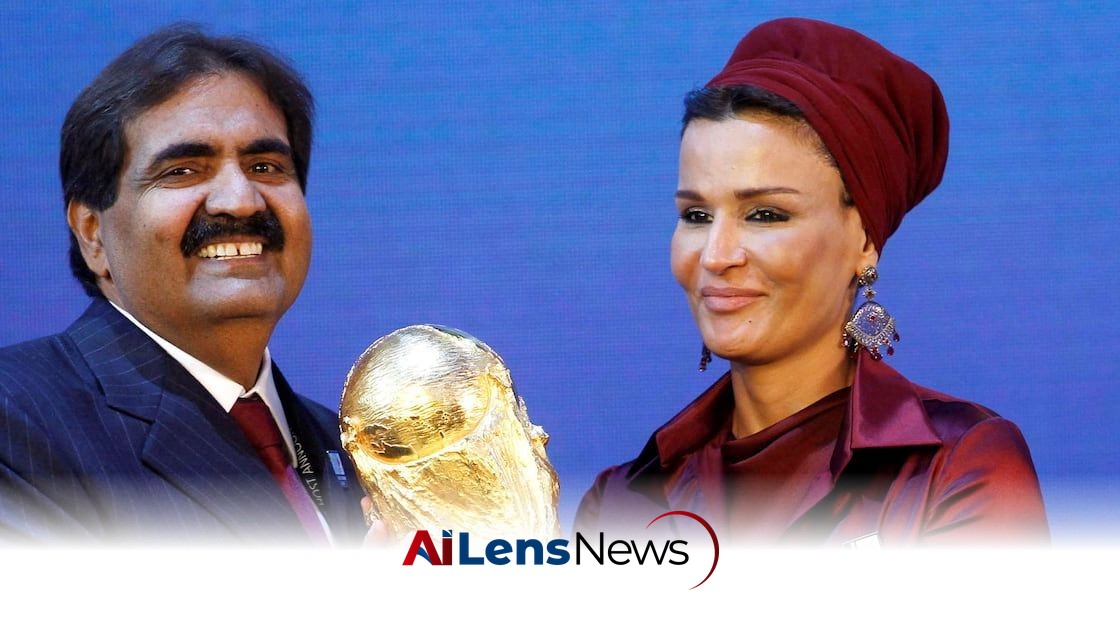


Sheikh Hamad bin Khalifa Al Thani, who led Qatar through significant economic growth, has passed away at the age of 74.
Abu Dhabi, United Arab Emirates Jul 12, 2026 ALN: Sheikh Hamad bin Khalifa Al Thani, the former Emir of Qatar, has died at the age of 74, as confirmed by the Amiri Diwan on Sunday. His passing marks the end of an era for Qatar, a nation that underwent significant transformation during his rule, both economically and politically. Sheikh Hamad's leadership has been pivotal in shaping Qatar into a modern state that commands respect and influence on the global stage.
Sheikh Hamad served as Emir from 1995 until his abdication in 2013, when he transferred power to his fourth son, Sheikh Tamim bin Hamad Al Thani, who is the current Emir. This transition was notable as it was the first time in the history of the Qatari monarchy that power was handed down to a successor rather than being passed on through the traditional lineage of the ruling family. Sheikh Hamad's decision to abdicate was seen as a strategic move to ensure a smooth succession and to allow a younger generation to lead Qatar into the future. This act was also reflective of his forward-thinking approach, prioritizing stability and continuity in governance.
During his reign, Qatar experienced a remarkable boom in liquefied natural gas (LNG) production and exports, significantly enhancing the country's income and elevating its status on the global stage. Qatar is often referred to as the richest country in the world per capita, a title that reflects its vast natural gas reserves and its successful management of these resources. The country’s economy, heavily reliant on hydrocarbons, saw unprecedented growth, which allowed for extensive investments in infrastructure, education, and healthcare. The wealth generated during his tenure facilitated the development of a robust welfare state, providing citizens with access to free healthcare, education, and other social services.
Sheikh Hamad was instrumental in securing the successful bid for Qatar to host the 2022 FIFA World Cup, a decision made in 2010 that was pivotal for the nation. This victory initiated a massive infrastructure and spending boom, leading to the development of the modern Doha skyline, including the construction of new stadiums, hotels, and transportation systems. The World Cup is expected to showcase Qatar on a global stage, not only as a sporting venue but also as a cultural hub in the Middle East. The event has been seen as an opportunity for Qatar to enhance its international image and promote tourism, while also providing a platform to highlight its culture and heritage.
Under his leadership, Qatar not only expanded its economic horizons but also positioned itself as a key player in international affairs, enhancing its diplomatic relations and influence across various global platforms. Sheikh Hamad's foreign policy was characterized by a willingness to engage with both Western nations and regional powers, often acting as a mediator in conflicts and promoting dialogue. His administration fostered relationships with a diverse array of countries, which contributed to Qatar's growing influence in international politics. This diplomatic strategy included hosting negotiations for peace talks in various conflicts, thereby positioning Qatar as a neutral ground for dialogue.
Sheikh Hamad's legacy is multifaceted; it encompasses economic prosperity, infrastructural advancement, and an assertive foreign policy. His contributions to Qatar's development and modernization during a transformative period in the nation's history will be remembered as pivotal in shaping the current landscape of the country. His vision for Qatar included not only economic growth but also cultural and educational advancements that would prepare the nation for a post-hydrocarbon future.
In addition to economic and diplomatic achievements, Sheikh Hamad also placed a strong emphasis on education and cultural development. He established various educational institutions and initiatives aimed at fostering a knowledge-based economy. The Qatar Foundation, founded during his reign, has become a significant player in promoting education, research, and community development, further solidifying Qatar's commitment to investment in human capital. This focus on education has resulted in partnerships with prestigious universities and institutions worldwide, enhancing the educational landscape in Qatar and providing opportunities for its youth.
Sheikh Hamad's reign was not without challenges. The rapid modernization of Qatar brought about social changes and tensions, particularly regarding the balance between traditional values and the pressures of globalization. His government faced criticism over issues related to labor rights, particularly concerning the treatment of migrant workers who form the backbone of the Qatari economy. These issues have gained international attention, especially with the approaching World Cup, prompting the government to implement reforms aimed at improving labor conditions. The scrutiny from international organizations and media has led to a re-evaluation of labor laws and policies, pushing for greater protections and rights for workers.
The geopolitical landscape of the Middle East also shifted during Sheikh Hamad's time in power. Qatar's independent foreign policy often placed it at odds with its neighbors, particularly during the Arab Spring and the subsequent regional conflicts. Sheikh Hamad's support for various movements and groups was seen as controversial by some, leading to diplomatic rifts, notably with Saudi Arabia and the United Arab Emirates. However, his administration maintained a distinct approach to foreign relations, navigating complex regional dynamics while asserting Qatar's sovereignty and interests. This independent stance has enabled Qatar to play a unique role in regional politics, often acting as a mediator in conflicts that have drawn in various international actors.
As Qatar moves forward in the wake of Sheikh Hamad's passing, the nation faces both opportunities and challenges. The current Emir, Sheikh Tamim, has continued many of his father's policies while also addressing emerging issues such as climate change, economic diversification, and social reforms. The legacy of Sheikh Hamad bin Khalifa Al Thani will undoubtedly influence the direction of Qatar as it seeks to build on the foundations laid during his reign. As the country prepares for the future, it will need to balance the aspirations for modernization with the preservation of its cultural heritage and identity.
In conclusion, Sheikh Hamad's death marks a significant moment in Qatari history. His contributions to the nation’s economic growth, international standing, and social development have left an indelible mark. As Qatar reflects on his legacy, it will be essential for the leadership and citizens alike to consider how to honor his vision while navigating the complexities of a rapidly changing world. His passing not only signifies the end of an influential chapter in Qatar's history but also serves as a reminder of the ongoing journey toward achieving sustainable development and global engagement.
To learn more about the latest developments in World News & International Affairs, stay updated with our exclusive reports and analyses on AiLensNews.

