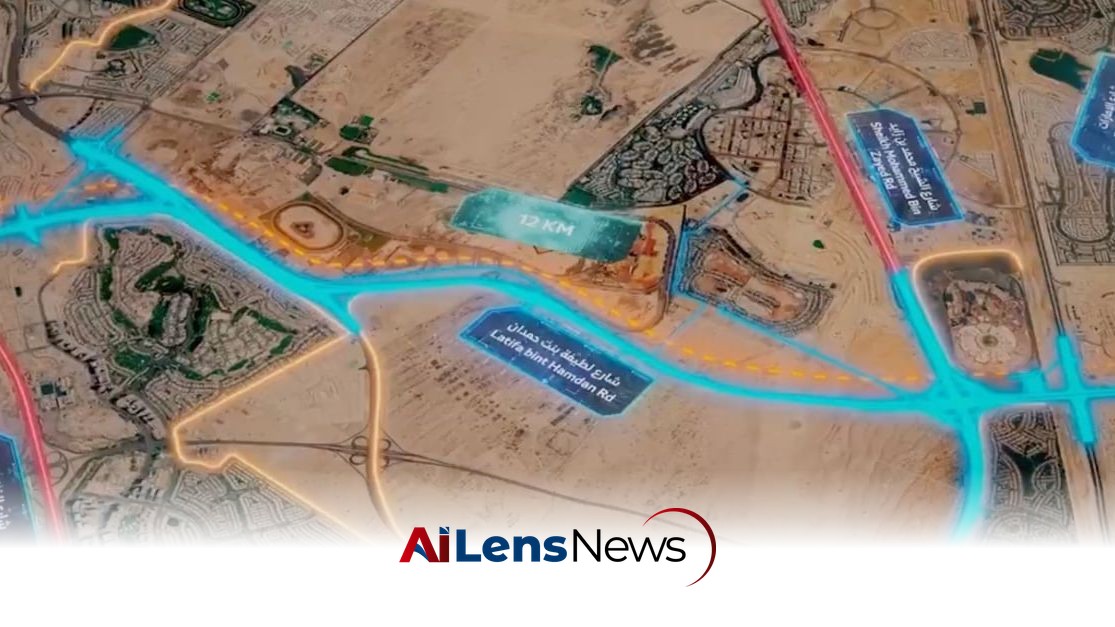


The new Latifa bint Hamdan Corridor will significantly cut travel time in Dubai, linking major roads and improving traffic flow.
Abu Dhabi, United Arab Emirates Jul 12, 2026 ALN: Dubai drivers have reason to celebrate with the announcement of the Latifa bint Hamdan Corridor Development Project, a significant infrastructure initiative aimed at improving traffic and connectivity across the city. This ambitious project, unveiled by Dubai’s Roads and Transport Authority (RTA), involves the construction of a 12km road that will link Sheikh Zayed Road to Emirates Road. The development of such infrastructure is crucial for a rapidly growing city like Dubai, where population increases and urban expansion necessitate efficient transportation solutions.
With a budget of Dhs2 billion, the Latifa bint Hamdan Corridor is expected to reduce travel time between Umm Al Sheif Street and Emirates Road from 33 minutes to just 15 minutes, marking a remarkable 54% decrease. This significant reduction in travel time is not only beneficial for daily commuters but also for businesses that rely on efficient logistics and transportation. The project is set to be completed by the end of 2028, a timeline that reflects the scale and complexity of the undertaking.
As Dubai continues to expand, the need for a robust transportation system becomes increasingly critical. The city has witnessed rapid population growth, with the number of residents rising significantly over the past two decades. This growth has put immense pressure on existing road networks, leading to congestion and longer travel times. The Latifa bint Hamdan Corridor aims to address these issues, showcasing Dubai's commitment to enhancing its infrastructure to keep pace with urban demands.
The Latifa bint Hamdan Corridor will benefit numerous neighborhoods in Dubai, including Nad Al Sheba, Al Barari, Dubai Hills, and Global Village. It will also serve residential, commercial, and industrial areas along Latifa bint Hamdan Street and Al Meydan Street, significantly enhancing mobility for residents. Improved connectivity will facilitate easier access to essential services, schools, and recreational areas, contributing to a higher quality of life for the community.
Moreover, the project is expected to stimulate economic growth in the region by providing businesses with improved access to customers and suppliers. As traffic congestion is alleviated, businesses can operate more efficiently, potentially leading to job creation and increased investment in the area. The anticipated economic boost can have a ripple effect throughout the community, as improved access to transportation can enhance the attractiveness of the region for new businesses and investors.
While the Latifa bint Hamdan Corridor is primarily an infrastructure project aimed at improving connectivity, it also incorporates several environmental considerations. The addition of cycling tracks is a notable feature that aligns with global efforts to promote sustainable transportation. Cycling not only reduces vehicle emissions but also promotes a healthier lifestyle among residents. This focus on sustainability is crucial as urban areas continue to grapple with environmental challenges such as air pollution and climate change.
Furthermore, the development is expected to include green spaces and landscaping that can help mitigate the urban heat island effect, which is a common issue in densely populated cities like Dubai. By integrating nature into urban planning, the project aims to enhance the overall livability of the area. This aspect of the project reflects a growing recognition of the importance of environmental sustainability in urban development, ensuring that infrastructure projects do not come at the expense of the local ecosystem.
This major infrastructure project not only aims to alleviate traffic congestion but also promotes a more connected and accessible Dubai. As the city continues to grow, such developments are crucial for maintaining efficient transportation networks. The Latifa bint Hamdan Corridor is part of a broader strategy by the RTA to enhance the transportation landscape of Dubai, which includes the expansion of public transport systems, the introduction of smart traffic management technologies, and the promotion of alternative modes of transportation.
The successful completion of this project could serve as a model for future infrastructure initiatives in other rapidly developing cities around the world. As urban areas face similar challenges of congestion and connectivity, the lessons learned from the Latifa bint Hamdan Corridor could inform best practices in urban planning and development. The project exemplifies how cities can leverage modern engineering and planning techniques to create sustainable, efficient transportation networks that meet the needs of their populations.
In conclusion, the Latifa bint Hamdan Corridor Development Project represents a significant investment in the future of Dubai's transportation infrastructure. By prioritizing connectivity, sustainability, and community benefits, the RTA is taking proactive steps to ensure that the city can accommodate its growing population and economic activity. As the project progresses, it will be essential to monitor its impact on traffic patterns, community well-being, and environmental sustainability, ensuring that Dubai remains a vibrant and accessible city for all its residents. This project not only highlights the importance of infrastructure in urban development but also sets a precedent for future initiatives that prioritize a balance between growth and sustainability.
To learn more about the latest developments in Local & Regional, stay updated with our exclusive reports and analyses on AiLensNews.

