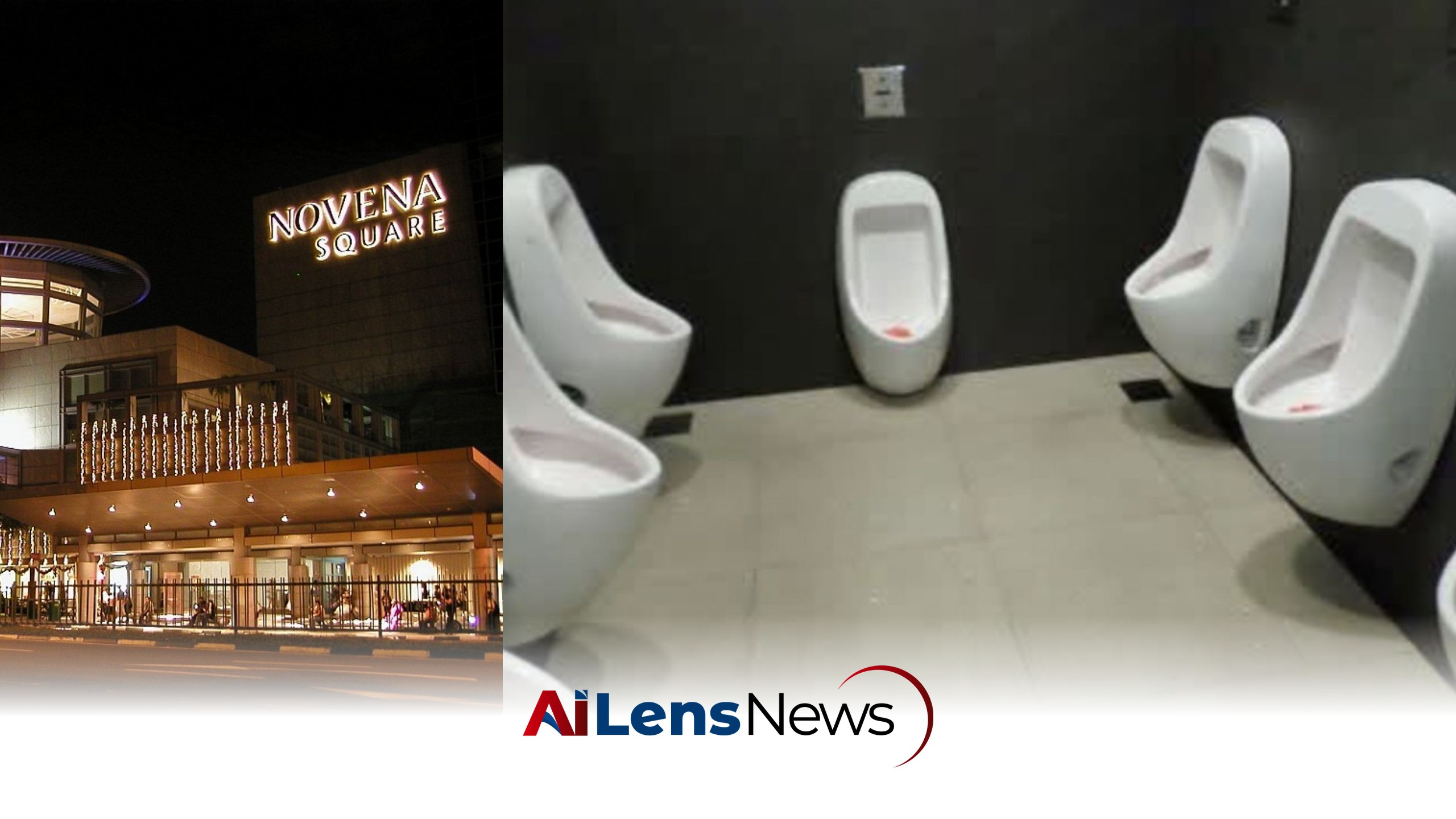


A man has raised concerns about the lack of privacy in the male restroom at Novena Square 2, urging for the installation of urinal dividers.
Singapore, Singapore Jul 12, 2026 ALN: A man has called on Novena Square 2 to install dividers between the urinals in its male restroom, saying the current layout offers too little privacy. This request has sparked a wider discussion about privacy in public restrooms and the design choices that can affect user comfort.
In a Facebook post, the individual expressed discomfort due to the close proximity of the urinals, which made it easy for the person beside him to see him while he was relieving himself. He articulated his feelings by stating, “The space is too close, making hiding totally difficult. Please install a divider.” This sentiment reflects a growing awareness of personal privacy in shared spaces, particularly in environments like public restrooms where many individuals expect a certain level of discretion.
The issue of privacy in restrooms is not unique to Singapore. Across the globe, many public facilities face similar criticisms regarding their design. The placement of urinals in close proximity has been a topic of debate among architects and designers, especially in urban areas where space is at a premium. The design of public restrooms often balances functionality, accessibility, and user comfort, but it can sometimes fall short in providing the privacy that users desire.
Some commenters on the social media post questioned how the man knew the person beside him was looking in the first place. They suggested that if privacy was such a concern, he could simply ignore it or use one of the enclosed cubicles instead. This reaction highlights a common perspective that individuals should take personal responsibility for their comfort in public spaces. However, it also raises questions about the expectations of privacy in shared facilities and whether individuals should have to compromise their comfort due to inadequate design.
Others chose to joke about the situation. One commenter suggested bringing a foldable privacy screen to the restroom, while another quipped that he should “just close your eyes while peeing.” These humorous responses indicate a societal tendency to downplay discomfort in public settings, often viewing it as a trivial matter. However, humor can also serve as a coping mechanism for individuals who might feel awkward discussing their discomfort openly.
Despite the jokes, a number of people felt the complaint was reasonable. They noted that the urinals appeared to be placed too close together, making users feel exposed. One commenter pointed out that the lack of space increased the chances of urine accidentally splashing onto another person’s legs or shoes, which could further exacerbate feelings of discomfort. This observation underscores the practical implications of restroom design, where hygiene and comfort are paramount for users.
Not everyone agreed with the complaint, however. Some commenters suggested straightforward solutions, such as using the enclosed cubicles instead of the urinals. One person wrote, “Simple. Go to the cubicle. Close the door. No need to complain.” This response reflects a segment of the population that believes in seeking alternatives rather than voicing dissatisfaction. Another commenter simply stated, “Don’t think too much,” suggesting that the discomfort might be a personal issue rather than a design flaw.
The discussion surrounding restroom privacy is indicative of broader societal trends regarding personal space and comfort in public areas. As urban populations grow and public facilities become more heavily utilized, the design of these spaces must evolve to meet the changing expectations of users. Architects and facility managers are increasingly tasked with creating environments that prioritize user experience, including considerations for privacy.
In another recent complaint, a resident took to social media to vent about a new neighbour’s renovation works, claiming the common corridor had become dirty and noisy. The resident, who said they had lived there for 12 years, alleged that the new homeowners had created a mess outside their unit after renovation works began. This situation highlights the tensions that can arise in shared living environments, particularly when new residents disrupt established norms.
Not everyone sympathised with this complaint either. One netizen even told the resident to “stay in a cave,” suggesting that they should be more tolerant of the changes that come with new neighbours. This reaction reflects a common attitude in urban living where individuals are expected to adapt to the realities of shared spaces, even if it means enduring temporary inconveniences.
The juxtaposition of these two complaints—one regarding restroom privacy and the other about noise and disruption from renovations—illustrates the diverse range of issues that urban residents face. As cities become more densely populated, the balance between individual comfort and communal living becomes increasingly complex. Residents may feel a heightened sense of vulnerability in public spaces, leading to calls for improvements in design and facilities.
Ultimately, the calls for dividers in the male restroom at Novena Square 2 may serve as a catalyst for broader discussions about public restroom design and user comfort. As more individuals voice their concerns about privacy and comfort in shared spaces, facility managers and urban planners may need to reevaluate existing designs to better accommodate the needs of all users. This could involve incorporating more privacy features, such as dividers, or redesigning layouts to enhance user experience.
In conclusion, the request for privacy dividers at Novena Square 2 taps into a larger conversation about personal space in public facilities. As society continues to evolve, so too must our public spaces, ensuring they meet the diverse needs of all individuals. Whether through humor, criticism, or constructive feedback, public discourse around these issues is essential for fostering environments that prioritize comfort and privacy for everyone.
To learn more about the latest developments in Local & Regional, stay updated with our exclusive reports and analyses on AiLensNews.

