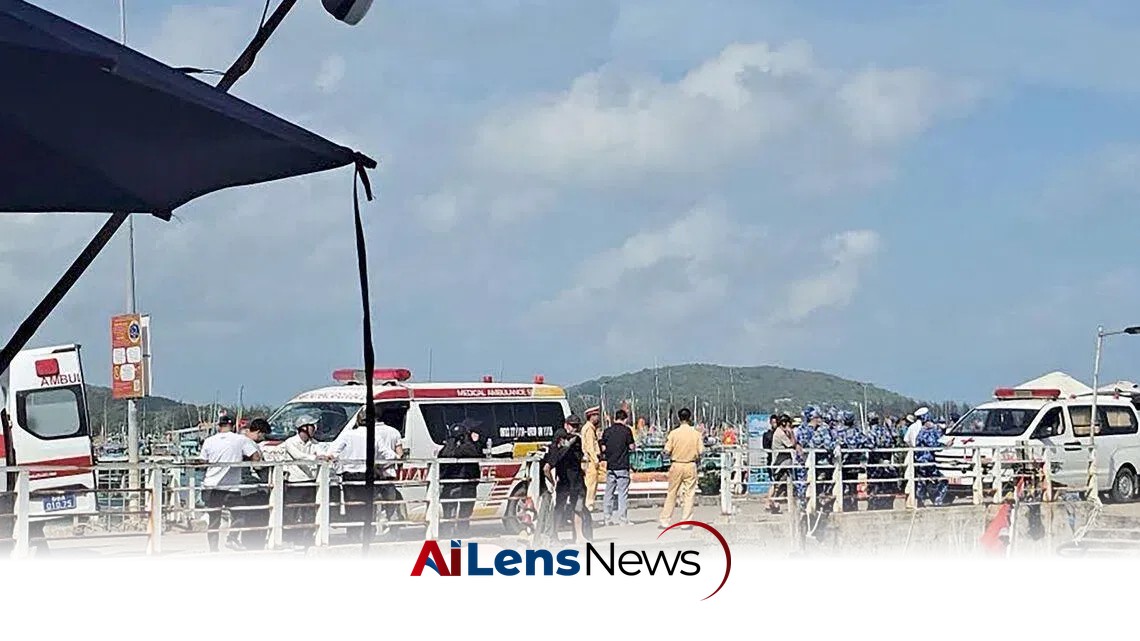


A tragic boating accident off Phu Quoc island has resulted in the deaths of 15 Indian tourists, with 21 survivors. The incident is under investigation.
Singapore, Singapore Jul 11, 2026 ALN: MANILA – At least 15 Indian tourists died when a boat capsized off Vietnam’s southern island of Phu Quoc on July 11, media outlet VnExpress reported, citing local authorities. This tragic incident has not only raised concerns about maritime safety in the region but has also drawn attention to the growing popularity of Phu Quoc as a tourist destination.
According to reports, the boat was carrying a total of 36 people, comprising 32 Indian tourists, three crew members, and one attendant. The vessel was traveling from Hon May Rut Island to An Thoi Port when it overturned approximately 400 meters into the sea. The sudden capsizing of the boat has shocked many, especially considering the number of tourists who visit the area for leisure and recreational activities.
Rescue operations were immediately launched following the incident, with local authorities working tirelessly to locate survivors and recover the deceased. Reports indicate that 21 individuals survived the accident, which highlights the fortunate outcome for some, despite the catastrophic loss of life. The Indian embassy in Vietnam stated it was monitoring the situation closely and had established emergency response centers in Ho Chi Minh City and Hanoi to assist affected families. The embassy described the incident as "tragic" and expressed its condolences to the families of the victims.
This incident raises several important questions regarding maritime safety, particularly concerning the regulations and standards governing tourist boats in Vietnam. In recent years, the tourism industry in Vietnam has seen exponential growth, with Phu Quoc emerging as a prime destination for both domestic and international travelers. The island's beautiful beaches, vibrant culture, and array of activities have made it a hotspot for tourism, especially among Indian visitors who have increasingly chosen Vietnam as a vacation destination.
However, with the influx of tourists comes the critical need for stringent safety measures to ensure their well-being. The capsizing of the boat off Phu Quoc underscores the potential dangers that can accompany maritime travel, especially in rough sea conditions. Reports indicated that sea conditions were rough at the time of the incident, with large waves reported in the area. This raises concerns about whether the boat was adequately equipped to handle such conditions and whether the crew was trained to manage emergencies effectively.
The Vietnamese government has promoted Phu Quoc as a tourist hub, investing significantly in infrastructure and tourism services. This includes the development of resorts, restaurants, and recreational activities aimed at attracting foreign visitors. However, as the number of tourists increases, so does the responsibility of ensuring their safety. The capsizing incident may prompt a reevaluation of safety regulations for tourist vessels operating in the region, potentially leading to stricter enforcement of safety protocols.
In addition to the immediate implications for safety regulations, the incident may also have broader repercussions for the tourism industry in Vietnam. The perception of safety is a critical factor for travelers when choosing a destination, and incidents such as this can deter potential visitors. The Indian tourists who lost their lives in this accident were part of a growing trend of Indian nationals traveling abroad for vacations. With the Indian market becoming increasingly important for Vietnamese tourism, maintaining a positive image is crucial for the continued growth of this sector.
The Indian government has also expressed its concern over the incident, with officials likely to engage with Vietnamese authorities to ensure a thorough investigation is conducted. The collaboration between the two nations in addressing the aftermath of this tragedy may also strengthen diplomatic ties, as both countries have been working to enhance their relationship, particularly in tourism and trade.
As the investigation unfolds, it will be essential to ascertain the exact circumstances that led to the capsizing of the boat. This includes examining the vessel's condition, the qualifications of the crew, and whether safety protocols were followed. The findings of the investigation may lead to recommendations for improvements in maritime safety standards, not only for Phu Quoc but for other tourist destinations in Vietnam as well.
The Vietnamese government has made significant strides in promoting tourism, especially in regions like Phu Quoc. The island has witnessed a surge in tourist arrivals, with visitors drawn to its stunning natural beauty, rich biodiversity, and a growing number of luxury accommodations. However, with this growth comes the responsibility of ensuring that safety measures keep pace with the increasing number of tourists. The tragic event serves as a wake-up call for authorities to prioritize safety in maritime operations.
Tourism is a vital sector for Vietnam's economy, contributing significantly to GDP and providing employment opportunities for millions. The government has invested heavily in infrastructure development, including roads, airports, and public services, to facilitate the influx of tourists. However, incidents like the boat capsizing can have severe implications for the tourism sector, potentially leading to a decline in visitor numbers and affecting local businesses reliant on tourism.
Furthermore, the international community's response to this incident will also play a role in shaping the future of tourism in Vietnam. As the world becomes more interconnected, the safety of tourists is paramount. Countries with a strong reputation for safety and crisis management are more likely to attract international visitors. Vietnam's ability to respond effectively to this tragedy will be closely monitored by the global tourism market.
In addition to the immediate safety concerns, the incident may also spark discussions about the environmental impact of tourism in Phu Quoc. The island's natural resources are under pressure from the rapid development of tourism infrastructure. Sustainable tourism practices are essential to preserve the environment while accommodating the growing number of visitors. The government may need to consider regulations that balance economic growth with environmental protection.
In conclusion, the tragic capsizing of the boat off Phu Quoc serves as a stark reminder of the importance of safety in the tourism industry. While the island continues to thrive as a popular destination, it is imperative that authorities prioritize the safety of tourists to prevent such heartbreaking incidents from occurring in the future. The loss of 15 lives is a profound tragedy that underscores the need for vigilance, regulation, and a commitment to ensuring that the tourism experience is both enjoyable and safe for all visitors. This incident may lead to a pivotal moment for Vietnam's tourism sector, prompting necessary changes and improvements to ensure the safety and well-being of all tourists.
To learn more about the latest developments in Crime & Law, stay updated with our exclusive reports and analyses on AiLensNews.

