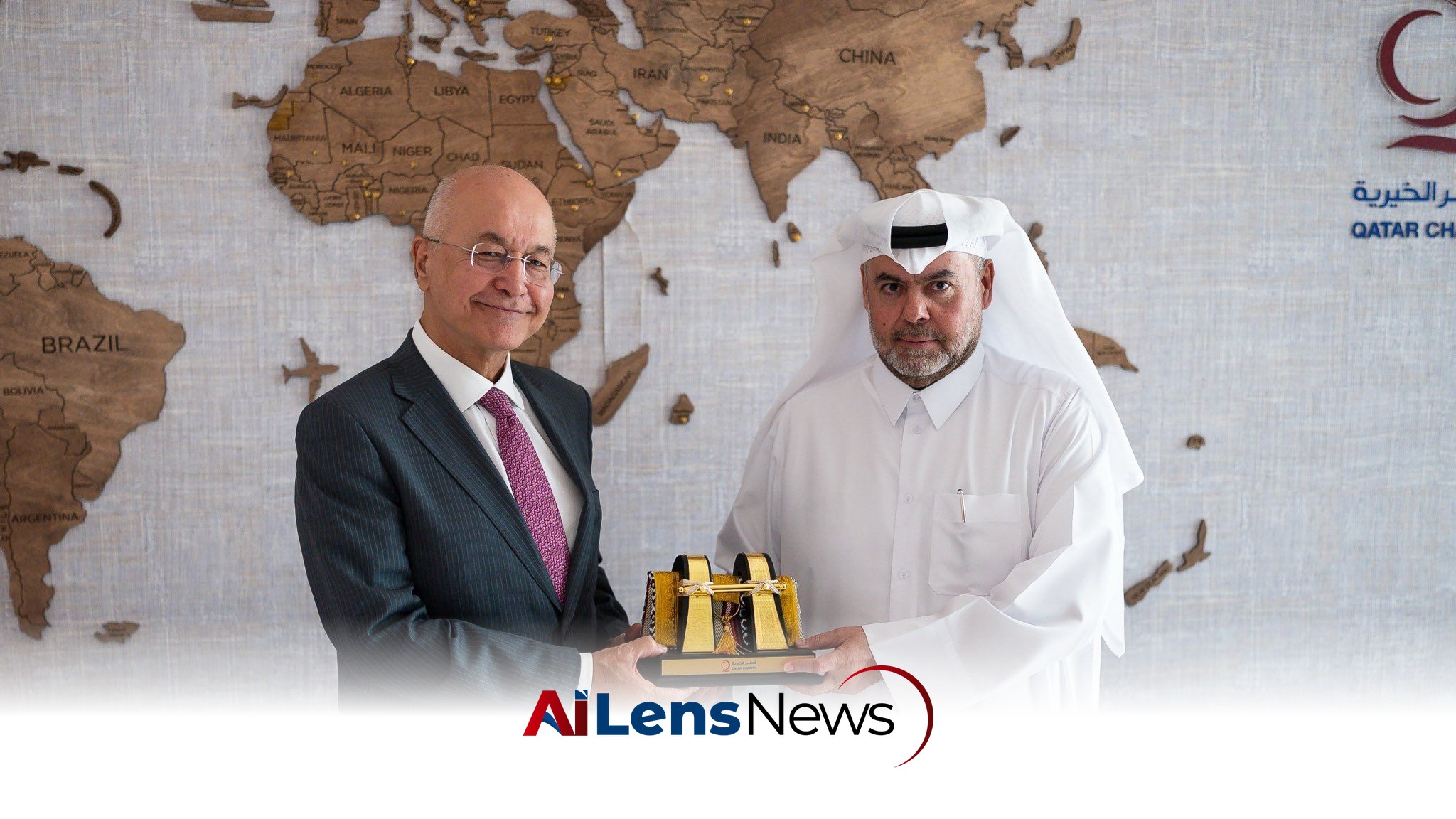


Qatar Charity and UNHCR discuss expanding their humanitarian partnership to better support refugees and displaced persons worldwide.
Doha, Qatar Jul 11, 2026 ALN: The recent meeting between Yusuf bin Ahmed Al-Kawari, the CEO of Qatar Charity, and HE Dr. Brahim Saleh, the United Nations High Commissioner for Refugees (UNHCR), represents a significant moment in the ongoing collaboration between humanitarian organizations and international bodies dedicated to addressing the global refugee crisis. This meeting is not only a reflection of Qatar Charity's commitment to humanitarian work but also highlights the critical need for enhanced cooperation in an era marked by unprecedented levels of displacement worldwide.
The United Nations High Commissioner for Refugees plays a pivotal role in the global humanitarian landscape, tasked with protecting the rights and well-being of refugees and displaced persons. Established in 1950, the UNHCR was created in the aftermath of World War II to address the needs of the millions of people who were uprooted during the conflict. Over the decades, its mandate has expanded to include providing essential assistance, advocating for the rights of refugees, and working towards long-term solutions to their plight. Today, the organization operates in over 130 countries and is involved in protecting the rights of more than 80 million forcibly displaced individuals globally, as reported by the UNHCR. This staggering number underscores the urgent need for collaboration between organizations like Qatar Charity and the UNHCR, particularly in a world where humanitarian crises are increasingly complex and multifaceted.
During their meeting, Al-Kawari and Saleh discussed the existing cooperation between Qatar Charity and the UNHCR, emphasizing the importance of their partnership in addressing the multifaceted challenges faced by refugees. The discussions included an exploration of various avenues to strengthen this collaboration, particularly in light of the increasing complexity of humanitarian crises around the world. The two leaders recognized the necessity of innovative approaches to support the most vulnerable populations, ensuring that aid reaches those in dire need. This includes not only financial support but also the sharing of best practices, resources, and expertise that can enhance the effectiveness of their humanitarian responses.
Qatar Charity has established itself as a significant player in the humanitarian sector, engaging in a wide range of initiatives aimed at alleviating suffering and providing assistance to those affected by conflict, natural disasters, and other crises. Founded in 1992, Qatar Charity has grown from a local charitable organization to a prominent international NGO with a presence in multiple countries. Its work spans various regions, including the Middle East, Africa, and Asia, where millions of people are grappling with the consequences of displacement. The organization's commitment to humanitarian principles aligns closely with the UNHCR's mission, making their partnership particularly impactful. By combining resources and expertise, both entities can implement comprehensive programs that address the immediate and long-term needs of refugees and displaced persons.
In their discussions, Al-Kawari and Saleh also addressed the importance of sustainable solutions for refugees. While immediate relief is essential, there is a growing recognition that long-term strategies are needed to empower displaced individuals and communities. This includes access to education, healthcare, and livelihood opportunities, which are vital for rebuilding lives and fostering resilience. Both leaders underscored the need for a holistic approach that not only addresses immediate needs but also lays the groundwork for future stability and self-sufficiency. Such strategies are crucial, as they help prevent the cycle of dependency on aid and encourage self-reliance among displaced populations.
Furthermore, the meeting highlighted the significance of advocacy and awareness-raising in the humanitarian field. In an age where misinformation and negative narratives about refugees can hinder support for humanitarian efforts, organizations like Qatar Charity and the UNHCR must work together to promote understanding and empathy towards displaced populations. By sharing stories of resilience and hope, they can challenge stereotypes and foster a more inclusive society. This advocacy is essential not only for garnering support for humanitarian initiatives but also for influencing public policy and ensuring that the rights of refugees are upheld at all levels of governance.
This meeting is particularly timely, considering the ongoing global challenges exacerbated by the COVID-19 pandemic, climate change, and geopolitical tensions. These factors have led to increased displacement and humanitarian needs, requiring a coordinated response from various stakeholders, including governments, NGOs, and international organizations. The collaboration between Qatar Charity and the UNHCR serves as a model for how such partnerships can effectively address these challenges. By pooling resources and expertise, they can create a more comprehensive and effective response to the needs of refugees, ensuring that assistance is delivered in a timely and efficient manner.
In addition to direct humanitarian assistance, the partnership between Qatar Charity and the UNHCR also emphasizes the importance of capacity building within local communities. By empowering local organizations and enhancing their ability to respond to crises, both entities can create a more sustainable and effective humanitarian response. This approach not only benefits refugees but also strengthens the resilience of host communities, fostering social cohesion and mutual support. Local organizations often have a deeper understanding of the needs and challenges faced by their communities, making them invaluable partners in the humanitarian response.
As the meeting concluded, both Al-Kawari and Saleh expressed their shared commitment to continuing their collaboration and exploring new opportunities for partnership. Their dialogue serves as a reminder of the vital role that humanitarian organizations play in addressing the needs of the most vulnerable populations. The ongoing commitment of Qatar Charity to work alongside the UNHCR reflects a broader trend within the humanitarian sector, where collaboration and partnership are increasingly recognized as essential for effective response. In an era where challenges are increasingly interconnected, the ability to work together across sectors and borders is crucial for achieving meaningful impact.
In conclusion, the meeting between Qatar Charity and the UNHCR marks a pivotal step in their ongoing efforts to provide essential support to refugees and displaced persons. It reinforces their shared commitment to humanitarian principles and highlights the importance of collaboration in addressing the complex challenges faced by vulnerable populations worldwide. As both organizations move forward, their partnership will undoubtedly play a critical role in shaping the future of humanitarian assistance and advocacy for refugees, ensuring that their rights and needs are prioritized in the global agenda. The ongoing dialogue and cooperation between Qatar Charity and the UNHCR serve as a beacon of hope for millions of displaced individuals, signaling that their plight is being recognized and addressed on the international stage.
To learn more about the latest developments in World News & International Affairs, stay updated with our exclusive reports and analyses on AiLensNews.

