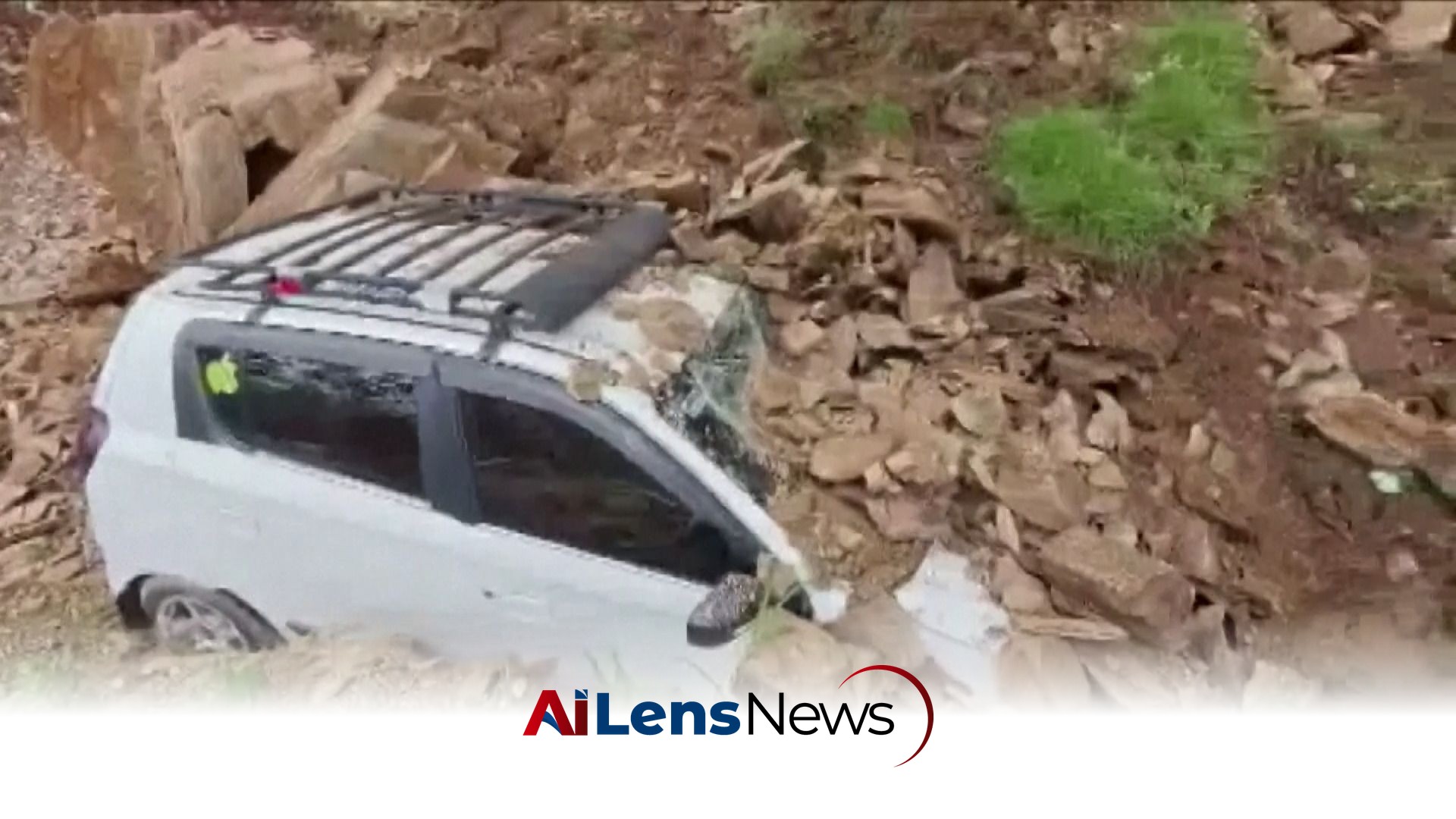


A landslide during heavy monsoon rains in Shimla has forced evacuations, with residents blaming a construction firm for the disaster.
Doha, Qatar Jul 11, 2026 ALN: A landslide triggered by heavy monsoon rains has devastated the Indian hill town of Shimla, leading to the evacuation of residents from their homes. The incident has raised serious concerns about safety and construction practices in the region. Shimla, a popular tourist destination and the capital of Himachal Pradesh, is known for its scenic landscapes and historical significance. However, the town is also susceptible to natural disasters, particularly landslides, due to its hilly terrain and heavy rainfall during the monsoon season.
On July 11, 2026, the landslide struck, causing significant damage and prompting local authorities to act swiftly. Villagers reported that the landslide was exacerbated by a construction company that continued excavation work on the hillside, despite a ban on such activities during the monsoon season. The decision to allow construction during this critical time has raised questions about the regulatory framework governing construction practices in the region.
Local residents expressed their fears and frustrations, stating that the construction activities had destabilized the hillside, making it prone to landslides. "We warned them about the dangers, but they ignored our pleas," said a local villager. The community is now grappling with the aftermath, as many families have been displaced and are seeking shelter elsewhere. The emotional toll on the residents is palpable, as they not only face the loss of their homes but also the uncertainty of their future. Many families have been forced to seek refuge with relatives or in makeshift shelters, highlighting the immediate need for humanitarian assistance.
The landslide has not only caused physical destruction but has also disrupted the social fabric of the community. Families that have lived in Shimla for generations now find themselves uprooted, struggling to cope with the sudden change in their circumstances. The psychological impact of such disasters can be profound, often leading to anxiety, depression, and a sense of helplessness among those affected. Community support systems, previously strong, are now strained as residents rally to assist one another in the face of adversity.
In the wake of the disaster, community leaders have called for a thorough investigation into the construction practices that led to this tragedy. They argue that the local government must prioritize the safety of its residents over economic development. The sentiment among the villagers reflects a growing frustration with the lack of accountability in construction projects, particularly those that endanger lives and property. This incident has sparked discussions about the need for more stringent regulations and oversight in construction practices, especially in areas prone to natural disasters.
In response to the disaster, local government officials have initiated an investigation into the construction firm’s practices. Authorities are also assessing the extent of the damage and the immediate needs of the affected residents. Emergency services have been deployed to assist with evacuations and provide support to those displaced. The government has promised to provide relief packages, including food, medical assistance, and temporary housing for the displaced families.
Additionally, the government is expected to review existing policies regarding construction in landslide-prone areas. This incident could serve as a catalyst for reforming building codes and enhancing monitoring systems to ensure compliance with safety regulations. The authorities are under increasing pressure to take decisive action, as public trust in their ability to manage such crises is at stake. The government’s response will be closely watched by both the residents and the broader public, as it could set a precedent for future disaster management and regulatory enforcement.
This incident has sparked a broader discussion about safety regulations in construction, particularly in vulnerable areas prone to natural disasters. Experts are calling for stricter enforcement of building codes and regulations to prevent similar incidents in the future. The construction industry in India has often been criticized for lax adherence to safety standards, especially in hilly regions where the risks are magnified.
In recent years, there have been numerous instances of landslides and other natural disasters attributed to poor construction practices. The need for comprehensive risk assessments before commencing construction projects is becoming increasingly clear. Environmentalists and safety advocates are urging the government to implement stricter guidelines that take into account not only the immediate economic benefits of construction but also the long-term safety and sustainability of communities. This includes evaluating the environmental impact of construction projects and ensuring that natural water drainage systems are not obstructed during development.
Moreover, the importance of community involvement in the planning process cannot be overstated. Engaging local residents in discussions about construction projects can lead to better outcomes, as they often possess valuable insights about the land and its vulnerabilities. By incorporating community feedback into planning and development, authorities can create safer, more resilient environments.
As the community begins to recover, the focus will be on ensuring that safety measures are put in place to protect residents from future landslides. The ongoing investigation into the construction firm will be crucial in determining accountability and preventing further tragedies. The outcomes of this investigation may set a precedent for how construction projects are regulated in the future, particularly in ecologically sensitive areas.
The landslide in Shimla serves as a stark reminder of the potential dangers posed by unchecked construction in environmentally sensitive areas. As the monsoon season continues, vigilance and adherence to safety protocols will be essential to safeguard the lives of residents. The government and construction firms must work collaboratively to develop strategies that prioritize safety while allowing for responsible development.
Furthermore, community engagement in the planning and oversight of construction projects could enhance safety outcomes and foster a sense of ownership among residents. By involving local voices in decision-making processes, authorities can better address the concerns of those most affected by construction activities.
In conclusion, the landslide in Shimla not only highlights the immediate dangers posed by natural disasters but also underscores the need for a reevaluation of construction practices in vulnerable regions. It is imperative that lessons are learned from this incident to prevent future tragedies and ensure the safety and well-being of communities at risk. The path forward will require a commitment to enforcing regulations, improving construction standards, and fostering a culture of safety that prioritizes human life over short-term gains. The situation in Shimla serves as a critical case study for other regions facing similar challenges, emphasizing the need for proactive measures to mitigate risks associated with construction in disaster-prone areas.
To learn more about the latest developments in Science & Environment, stay updated with our exclusive reports and analyses on AiLensNews.

