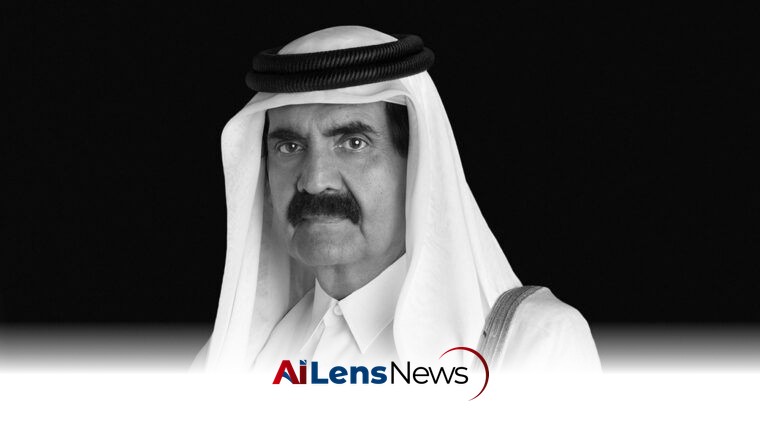


The Amiri Diwan has announced the funeral prayer for the late Sheikh Hamad bin Khalifa Al Thani on July 12, 2026, with condolences to follow.
Doha, Qatar Jul 12, 2026 ALN: The Amiri Diwan has officially announced the details surrounding the funeral prayer for His Highness Sheikh Hamad bin Khalifa Al Thani, who is widely recognized as the Father Amir of Qatar. The funeral prayer is scheduled to take place on July 12, 2026, after the Maghrib prayer at the Imam Muhammad bin Abdul Wahab Mosque, a significant religious site in Doha City. Following the prayer, Sheikh Hamad's body will be laid to rest in the Lusail Cemetery, a location that symbolizes the modern aspirations of Qatar.
Sheikh Hamad bin Khalifa Al Thani, who served as the Amir of Qatar from 1995 until his abdication in 2013, is remembered for his transformative leadership and significant contributions to the state. His reign was marked by substantial economic growth, the development of a robust education system, and the expansion of Qatar's global influence. Under his leadership, Qatar emerged as a key player on the world stage, particularly in terms of energy production and international diplomacy.
In the wake of his passing, it has been announced that the current Amir of Qatar will receive condolences from various leaders, dignitaries, and citizens at Lusail Palace. The designated days for condolence visits are July 13, 14, and 15, 2026, with specific time slots allocated for morning and evening visits. This arrangement allows for a structured opportunity for the public and officials to pay their respects and express their condolences to the ruling family.
The mourning period declared by the Amiri Diwan extends for four days following Sheikh Hamad's passing, reflecting the profound impact he had on the nation and its people. Mourning periods are a common practice in many cultures, serving as a time for reflection and remembrance. In Qatar, this period is particularly significant as it underscores the national sentiment and collective grief over the loss of a leader who played a pivotal role in shaping the country’s contemporary identity.
Sheikh Hamad's legacy is characterized by a vision that integrated traditional Qatari values with modern governance and development strategies. He was instrumental in diversifying Qatar's economy, reducing its dependence on oil revenues, and investing heavily in education and healthcare. These initiatives not only elevated the quality of life for Qatari citizens but also positioned Qatar as a hub for education and culture in the region.
Moreover, Sheikh Hamad's foreign policy initiatives, particularly his efforts to mediate conflicts in the Middle East and promote dialogue, have left a lasting imprint on Qatar's international relations. His leadership saw Qatar taking on a more active role in global affairs, including hosting high-profile negotiations and supporting humanitarian efforts in various conflict zones.
The Imam Muhammad bin Abdul Wahab Mosque, where the funeral prayer will be held, is not only a place of worship but also a significant architectural landmark in Qatar, symbolizing the Islamic faith and the cultural heritage of the nation. The mosque is known for its grand design and has become a focal point for religious activities in Doha, making it a fitting venue for such an important ceremony.
As the nation prepares for the funeral and mourning period, it is essential to consider the broader implications of Sheikh Hamad's passing. His leadership style, marked by a blend of pragmatism and vision, has influenced a generation of leaders in Qatar and beyond. The current Amir and the ruling family will likely continue to build upon the foundations laid by Sheikh Hamad, navigating the complexities of regional and global politics while upholding the values he championed.
In the days following the funeral, it is anticipated that discussions regarding the future direction of Qatar will emerge, particularly in terms of economic policy, social development, and international relations. Sheikh Hamad's passing may also prompt a reevaluation of Qatar's strategic initiatives and its role in the Gulf Cooperation Council (GCC) and broader Arab world.
In addition to his domestic achievements, Sheikh Hamad was known for his commitment to fostering a sense of national identity among Qatari citizens. His emphasis on cultural preservation and education helped instill a sense of pride in the nation’s heritage. The establishment of institutions such as the Qatar University and the Qatar Foundation during his reign exemplified his dedication to advancing knowledge and research, which has had lasting effects on the educational landscape of the country.
Sheikh Hamad's impact extended beyond education and economic diversification; he also championed significant infrastructure projects that transformed Qatar's urban landscape. The development of the Doha Corniche, the construction of the Hamad International Airport, and the establishment of the Lusail City project are just a few examples of his vision for a modern and sustainable Qatar. These projects not only improved the quality of life for residents but also attracted international attention and investment, positioning Qatar as a key player in the Gulf region.
Furthermore, Sheikh Hamad's approach to foreign policy was characterized by a unique blend of diplomacy and pragmatism. Qatar's role in mediating conflicts, such as those in Sudan and Lebanon, showcased Sheikh Hamad's commitment to peace and stability in the region. His willingness to engage with various factions and promote dialogue earned Qatar a reputation as a neutral ground for negotiations, enhancing its diplomatic standing globally.
The Imam Muhammad bin Abdul Wahab Mosque, where the funeral prayer will be held, is not only a place of worship but a significant architectural landmark in Qatar, symbolizing the Islamic faith and the cultural heritage of the nation. The mosque is known for its grand design and has become a focal point for religious activities in Doha, making it a fitting venue for such an important ceremony. Its capacity to accommodate thousands of worshippers reflects the communal aspect of mourning and remembrance in Islamic culture.
As the nation prepares for the funeral and mourning period, it is essential to consider the broader implications of Sheikh Hamad's passing. His leadership style, marked by a blend of pragmatism and vision, has influenced a generation of leaders in Qatar and beyond. The current Amir and the ruling family will likely continue to build upon the foundations laid by Sheikh Hamad, navigating the complexities of regional and global politics while upholding the values he championed.
In the days following the funeral, it is anticipated that discussions regarding the future direction of Qatar will emerge, particularly in terms of economic policy, social development, and international relations. Sheikh Hamad's passing may also prompt a reevaluation of Qatar's strategic initiatives and its role in the Gulf Cooperation Council (GCC) and broader Arab world.
In conclusion, the passing of His Highness Sheikh Hamad bin Khalifa Al Thani marks a significant moment in Qatar's history. His contributions to the nation, both domestically and internationally, have left an indelible mark, and the upcoming funeral prayer and mourning period will serve as a testament to his enduring legacy. As the nation gathers to honor his memory, it will also reflect on the path ahead, guided by the principles he instilled during his time as Amir. The legacy of Sheikh Hamad will undoubtedly shape the future of Qatar, as the nation continues to strive for progress while cherishing its rich cultural heritage.
To learn more about the latest developments in World News & International Affairs, stay updated with our exclusive reports and analyses on AiLensNews.

