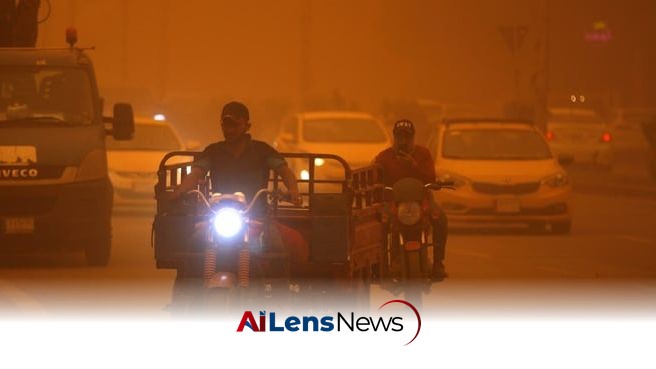


The Provincial Disaster Management Authority of Sindh has issued a warning for potential rain and dust storms across various districts, urging precautionary measures.
Islamabad, Pakistan Jul 12, 2026 ALN: Provincial Disaster Management Authority Sindh (PDMA) on Sunday issued an alert regarding dust storms and rainfall in different districts of Sindh.
Director General PDMA Salman Shah has cautioned against rain and dust storms in Dadu and Qambar-Shahdadkot districts of the province today. This warning comes as part of ongoing efforts by the PDMA to ensure the safety and preparedness of the local population in the face of unpredictable weather patterns. The PDMA, established to manage disaster risks and respond effectively to emergencies, plays a crucial role in coordinating efforts across various government departments and local authorities.
The PDMA official has also warned of likely rainfall in Tharparkar, Sukkur, Shikarpur, Larkana, Dadu, Jacobabad, Naushahro Feroz, Shaheed Benazirabad, and Sanghar. These areas have been identified as particularly vulnerable to the impacts of severe weather, given their geographical and climatic conditions. The PDMA's alert serves as a reminder of the importance of staying informed about weather changes, especially in regions prone to extreme weather events. The region's topography, characterized by a mix of arid and semi-arid zones, makes it susceptible to both flooding and drought, complicating the disaster management landscape.
The DG PDMA has directed all concerned departments and district authorities to remain on high alert and implement precautionary measures to tackle any contingency. This includes ensuring that emergency services are prepared to respond swiftly to any incidents, such as flooding or road blockages, that may arise due to the adverse weather conditions. Local governments are also encouraged to communicate with residents about safety protocols and preparedness strategies. Effective communication is essential, as it helps to mitigate panic and ensures that the public understands the necessary steps to take in response to the alerts.
It is noteworthy that the Met Office had earlier forecast mainly hot and very humid weather in most parts of Sindh. “Isolated rain windstorm/thundershower is likely in Tharparkar, Sukkur, Shikarpur, Larkana, Dadu, and Jacobabad on 12/13th July,” the report stated. This forecast highlights the variability of weather patterns in the region, where severe heat can quickly shift to storms, creating challenges for residents and authorities alike. The unpredictability of weather events underscores the need for continuous monitoring and timely updates from meteorological agencies to ensure that communities are well-prepared for sudden changes.
The presence of dust storms in Sindh is not uncommon, particularly during the summer months when dry conditions prevail. Dust storms can significantly reduce visibility, making travel dangerous, and can also have health impacts, especially for individuals with respiratory conditions. The PDMA's alert serves to inform the public about these potential hazards, urging them to take necessary precautions. Health advisories are often issued during such events, advising people to stay indoors, use masks, and avoid strenuous activities to minimize health risks associated with poor air quality.
Historically, Sindh has faced various weather-related challenges, including floods during the monsoon season and droughts in dry periods. The province's vulnerability to climate change has become increasingly apparent, with changing weather patterns leading to more frequent and severe weather events. This has prompted the PDMA and other governmental bodies to enhance their disaster preparedness strategies, focusing on both immediate response and long-term resilience building. The historical context of Sindh's climate-related challenges highlights the importance of adaptive strategies that can help mitigate the impacts of future extreme weather events.
In recent years, the PDMA has worked closely with local communities to improve awareness about disaster risk reduction. Educational campaigns have been launched to inform residents about the importance of preparedness, encouraging them to create emergency plans and maintain supplies for potential disasters. The role of community engagement is critical, as local knowledge and cooperation can significantly enhance the effectiveness of disaster management efforts. By involving communities in the planning process, the PDMA fosters a culture of preparedness and resilience that can be vital during emergencies.
The implications of the PDMA's alert extend beyond immediate safety concerns. It underscores the need for robust infrastructure and emergency response systems to cope with the increasing frequency of extreme weather events. As urbanization continues in Sindh, particularly in cities like Karachi, the pressure on existing infrastructure has grown, making it imperative for authorities to invest in sustainable development and disaster resilience. Urban planning must consider the potential impacts of climate change, ensuring that infrastructure is designed to withstand extreme weather conditions, thereby protecting lives and property.
Moreover, the agricultural sector in Sindh is particularly susceptible to the impacts of adverse weather. Farmers depend heavily on predictable weather patterns for planting and harvesting crops. Disruptions caused by dust storms or unexpected rainfall can lead to significant economic losses and food security challenges. This further emphasizes the need for comprehensive weather forecasting and agricultural support systems to help farmers adapt to changing conditions. Programs that provide farmers with timely information and resources can enhance their capacity to respond to weather variability, ultimately contributing to food security in the region.
In conclusion, the alert issued by the PDMA serves as a crucial reminder of the ongoing challenges posed by climate variability in Sindh. As the province navigates these challenges, the collaboration between government agencies, local authorities, and communities will be vital in ensuring safety and resilience. The PDMA's proactive approach in disseminating information and urging preparedness is a step towards mitigating the impacts of weather-related disasters and safeguarding the lives and livelihoods of the people in Sindh. As climate change continues to affect weather patterns globally, the lessons learned from Sindh's experiences can inform broader strategies for disaster risk reduction and climate adaptation in similar regions.
To learn more about the latest developments in Health & Public Safety, stay updated with our exclusive reports and analyses on AiLensNews.

