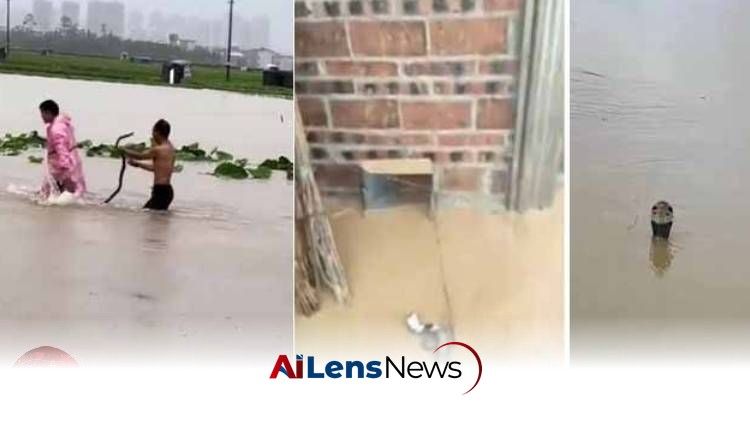


Severe flooding in China has led to the emergence of hundreds of venomous snakes and crocodiles in populated areas, causing widespread panic and fatalities.
Islamabad, Pakistan Jul 11, 2026 ALN: Beijing (Web Desk) - Severe flooding in China has resulted in hundreds of snakes and crocodiles making their way into urban areas, creating a public safety crisis alongside the already devastating effects of the natural disaster. The flooding has been attributed to storm Misaak, which has caused widespread destruction and loss of life across various regions in the country.
The storm has unleashed torrential rains that have overwhelmed drainage systems and rivers, leading to rapid water accumulation in both rural and urban areas. The scale of the flooding has been unprecedented, with reports indicating that numerous cities have experienced water levels rising to dangerous heights. In the southern Chinese city of Hangzhou, for instance, the destruction caused by the relentless rain has instilled fear and panic among residents, as they grapple with the immediate dangers of flooding and the unexpected intrusion of wildlife.
In the wake of the flooding, media reports have highlighted alarming incidents where floodwaters breached safety barriers on several farms. This breach has resulted in the escape of nearly 900 snakes, many of which are known to be venomous. The escape of these snakes into populated areas poses a significant threat to public safety, as they can be aggressive and dangerous. The situation has been exacerbated by reports of snake bites among residents, with one confirmed fatality of a woman who was bitten. The emergence of snakes in urban areas is not only a public health concern but also raises questions about wildlife management and the impact of climate change on animal behavior.
In addition to snakes, crocodiles have also been reported swimming in the floodwaters, further heightening the anxiety of local residents. These reptiles, often found in freshwater environments, have been spotted in various neighborhoods, creating an atmosphere of fear and uncertainty. Videos circulating on social media depict the shocking scenes of snakes slithering through the floodwaters and entering homes, while crocodiles float ominously nearby. The visual representation of these events has gone viral, drawing significant attention both locally and internationally.
As the flooding continues, the human toll has been substantial. Reports indicate that at least 39 people have died in various incidents related to the flooding, with many more injured or displaced. The loss of life underscores the urgency of the situation and the need for effective emergency response measures. Local authorities are working to provide aid and support to affected communities, but the scale of the disaster has posed challenges in mobilizing resources quickly.
In addition to the human impact, the flooding has also affected local wildlife. Reports indicate that the floodwaters entered local zoos, leading to the escape of several animals. Among those that have fled are two zebras, a camel, three small horses, and two donkeys. The escape of these animals adds another layer of complexity to the crisis, as authorities must now contend with the potential dangers posed by both escaped zoo animals and the influx of venomous snakes and crocodiles into urban areas.
This situation raises critical questions about disaster preparedness and the management of wildlife during natural disasters. In many regions, the encroachment of urban development into natural habitats has increased the likelihood of human-wildlife interactions during flooding events. As climate change continues to alter weather patterns, the frequency and intensity of storms like Misaak may become more common, necessitating a reevaluation of existing safety measures and wildlife management strategies.
The flooding in China is not an isolated incident but part of a broader trend of extreme weather events observed globally. As countries grapple with the impacts of climate change, the need for comprehensive disaster response plans that include wildlife considerations becomes increasingly important. Governments and communities must work together to develop strategies that protect both human populations and wildlife during such crises.
In conclusion, the severe flooding in China has led to a complex crisis involving both human safety and wildlife management. The interplay between natural disasters and human activities, such as urban expansion into wildlife territories, highlights the intricate relationship between humans and nature. As the situation develops, it is crucial for local authorities to implement effective emergency response measures to protect residents from the dangers posed by venomous snakes and crocodiles. Additionally, this event serves as a reminder of the ongoing challenges posed by climate change and the necessity for proactive measures to mitigate the impacts of future natural disasters.
Flooding events like those caused by storm Misaak are increasingly common in various parts of the world, often leading to similar wildlife-related incidents. In many cases, the rising frequency of such storms can be traced back to climate change, which is resulting in more extreme weather patterns. As temperatures rise, the atmosphere can hold more moisture, leading to heavier rainfall and increased flooding risks. This has prompted discussions among scientists and policymakers about the urgent need for climate action.
Furthermore, the integration of wildlife management into disaster preparedness plans is essential. Effective strategies could include creating wildlife corridors that allow animals to escape floods without entering urban areas, as well as enhancing public education about the risks posed by wildlife during such events. Local governments may also consider investing in improved drainage systems and flood defenses to mitigate the impact of future storms.
Ultimately, the situation in China serves as a cautionary tale for other nations facing similar threats. As urban areas expand into natural habitats, the risk of human-wildlife conflict during disasters increases. This necessitates a holistic approach to urban planning that considers environmental impacts and aims to preserve natural ecosystems. Collaboration between environmentalists, urban planners, and disaster response teams will be crucial in developing comprehensive solutions that prioritize both human safety and wildlife protection.
In summary, the flooding crisis in China highlights the interconnectedness of climate change, urban development, and wildlife management. As communities recover from this disaster, it is imperative to reflect on the lessons learned and implement measures that will better prepare society for the challenges posed by future natural disasters. The need for resilience in the face of climate change has never been more urgent, and proactive strategies are essential to ensure the safety of both people and wildlife in an increasingly unpredictable world.
To learn more about the latest developments in Science & Environment, stay updated with our exclusive reports and analyses on AiLensNews.

