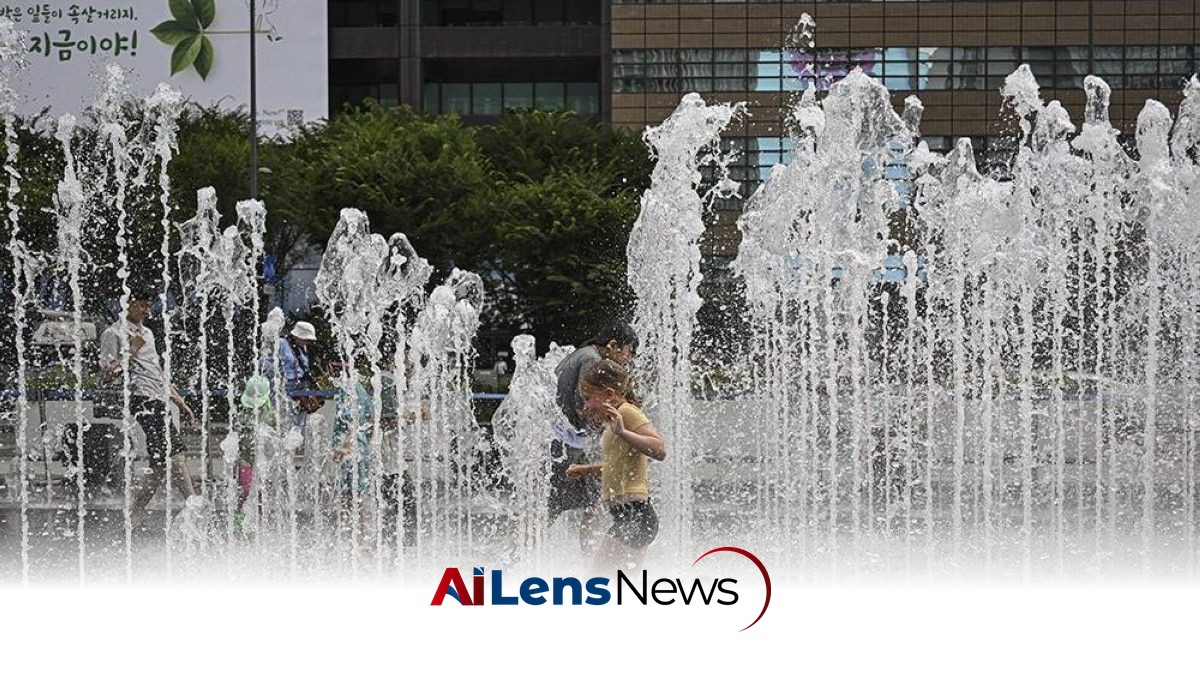


South Korea has issued its inaugural emergency heatwave alert, advising citizens to avoid outdoor activities as temperatures soar.
Kuwait City, Kuwait Jul 12, 2026 ALN: South Korea issued its first-ever emergency heatwave alert on Sunday under a new warning system launched this year, advising people to halt outdoor activities and keep cool. The new warning system was introduced to better deal with a rising number of heatwaves in South Korea, which have become longer and more intense, officials said.
An emergency alert is issued when areas experiencing a heatwave are forecast to hit perceived temperatures of 38°C or an actual temperature of 39°C for one day. “The Korea Meteorological Administration issued an Emergency Heatwave Warning at 10 am today (GMT 0100) for two cities in southern North Gyeongsang Province—Gyeongsan and Pohang,” said chief Lee Mi-seon at a press briefing. “This marks the first time it has been issued since the system took effect,” she added. The affected areas saw temperatures reach the emergency criteria over the weekend. “An emergency heatwave warning does not simply mean the weather is extremely hot,” Lee said.
“It indicates conditions in which even healthy people face a significantly elevated risk of serious harm, including heat-related illness and death.” People engaged in outdoor activities should stop immediately and move to a cool place, and no one, including children or pets, should be left inside a vehicle, she added.
KMA data show the average annual number of heatwave days in the country has more than doubled to 19 over the past five years, from eight in the 1970s. This dramatic increase highlights the growing concern regarding climate change and its impact on weather patterns in the region. As global temperatures rise due to human activities, many countries are experiencing more extreme weather events, including prolonged heatwaves.
The average annual number of tropical nights has also jumped from four to 14 over the same period. A heatwave day is defined as one with a maximum temperature of at least 33°C, while a tropical night is one when the overnight low remains 25°C or above. These changing conditions have significant implications for public health, agriculture, and energy consumption, as higher temperatures can lead to increased heat-related illnesses and strain on power grids due to higher demand for cooling.
The new system comes as Europe endures a scorching summer, after a June heatwave shattered temperature records across the continent. France recorded more than 2,000 excess deaths during the June heatwave, and 300 during the high temperatures in late May, according to official figures. These alarming statistics illustrate the deadly consequences of extreme heat, particularly for vulnerable populations such as the elderly and those with pre-existing health conditions.
The Eiffel Tower and other Paris landmarks closed early over the weekend, and cycling’s Tour de France shortened a stage for the first time in its history. Such measures underscore the seriousness with which authorities are treating the heatwave, as they prioritize public safety over tourism and sporting events. The impact of these extreme weather events extends beyond immediate health risks; they can also disrupt local economies and exacerbate existing social inequalities.
Oceans have experienced their hottest June on record and could set fresh highs in the months ahead, the European Union’s Copernicus Marine Service said this month. Warmer oceans intensify tropical storms and add more moisture, which can fall as heavy rain. This phenomenon is not only affecting weather patterns but is also contributing to rising sea levels and increasing the frequency of flooding in coastal areas. The interconnectedness of climate systems means that changes in ocean temperatures can have far-reaching consequences, impacting ecosystems and human settlements alike.
Adding to the mix is the return this year of El Niño, a natural climate phenomenon that warms Pacific Ocean surface temperatures and typically occurs every two to seven years. El Niño events can significantly influence weather patterns worldwide, often leading to increased rainfall in some regions while causing drought in others. The interplay between El Niño and climate change raises important questions about future weather variability and the need for adaptive strategies to mitigate its impacts.
In South Korea, the government is taking proactive steps to address the challenges posed by climate change and extreme weather. The implementation of the new heatwave warning system is part of a broader strategy to enhance public awareness and preparedness in the face of rising temperatures. By issuing timely alerts and providing guidance on how to cope with extreme heat, authorities aim to reduce the risk of heat-related illnesses and fatalities.
As the world grapples with the implications of climate change, South Korea's experience serves as a reminder of the urgent need for comprehensive climate action. This includes not only improving early warning systems but also investing in sustainable infrastructure, promoting energy efficiency, and fostering community resilience. Addressing the root causes of climate change and adapting to its effects will require coordinated efforts at local, national, and global levels.
In conclusion, the issuance of South Korea's first emergency heatwave warning under the new system highlights the increasing severity of heatwaves and the importance of effective communication and preparedness. As climate change continues to pose significant challenges, countries around the world must remain vigilant and proactive in their responses to extreme weather events, ensuring that public health and safety remain a top priority.
As South Korea moves forward with this new warning system, it will not only serve as a critical tool for immediate public safety but also as a model for other nations facing similar climate challenges. The situation underscores the necessity of proactive measures in the face of escalating climate risks, and the importance of international cooperation in sharing best practices for disaster preparedness and response.
Furthermore, the implications of such heatwave warnings extend beyond immediate health concerns. They also touch on broader societal issues, including the economic impacts of heatwaves on labor productivity, particularly in agriculture and construction sectors, where outdoor work is common. The potential for decreased agricultural yields due to extreme heat could have cascading effects on food security, particularly in a country like South Korea that relies heavily on both domestic and imported food supplies.
Moreover, as urban areas become increasingly heat-affected, the urban heat island effect could exacerbate the situation, making cities warmer than their rural counterparts. This phenomenon occurs when urban development replaces natural land cover with heat-absorbing materials, such as asphalt and concrete, which can lead to higher temperatures in densely populated areas. Addressing this requires urban planning that incorporates green spaces and sustainable practices to mitigate heat absorption.
In light of these challenges, the South Korean government has also been exploring long-term strategies to combat climate change, including investments in renewable energy sources, such as solar and wind power. Transitioning to a low-carbon economy is seen as essential not only for reducing greenhouse gas emissions but also for enhancing energy security and creating new job opportunities in emerging industries.
Education and public awareness campaigns are also crucial components of South Korea's strategy. By informing citizens about the risks associated with extreme heat and the importance of preparedness, the government aims to foster a culture of resilience. This includes encouraging individuals and communities to develop their own heat action plans, which could involve identifying cooling centers, sharing resources, and looking out for vulnerable neighbors.
As the world continues to experience the effects of climate change, South Korea's proactive approach to heatwave warnings and public health preparedness may offer valuable lessons for other countries. By investing in adaptive measures and fostering community engagement, nations can better equip themselves to handle the increasing frequency and severity of extreme weather events, ensuring the safety and well-being of their populations in the face of a changing climate.
To learn more about the latest developments in Science & Environment, stay updated with our exclusive reports and analyses on AiLensNews.

