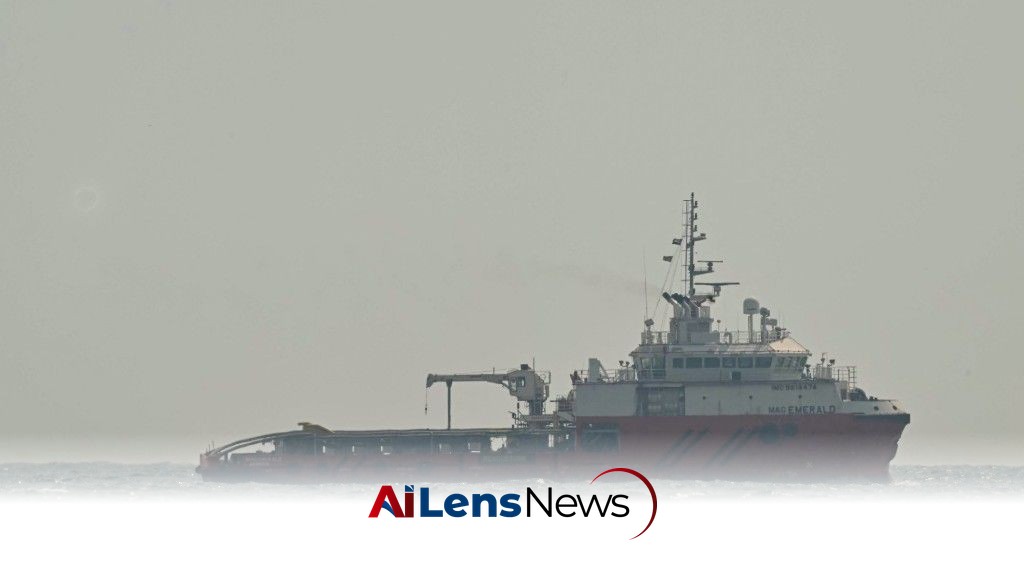


Tensions escalate in the Gulf as Iranian state media reports attacks across multiple countries, prompting heightened security measures in the region.
Kuwait City, Kuwait Jul 12, 2026 ALN: The geopolitical landscape in the Gulf region has become increasingly precarious as tensions between Iran and the United States escalate. The situation reached a critical point following a series of military strikes by the US, which were purportedly aimed at curtailing Iranian threats to commercial shipping in the strategically vital Strait of Hormuz. This waterway, often referred to as the lifeblood of global oil supplies, sees a significant percentage of the world’s oil trade pass through its narrow passage. The heightened military activities and the subsequent Iranian responses have led to a state of alarm across the Gulf Cooperation Council (GCC) states, which include Bahrain, Kuwait, Oman, Qatar, Saudi Arabia, and the United Arab Emirates.
In a dramatic escalation of hostilities, Iranian state media reported that attacks had been launched against multiple locations across the region, including Bahrain, Kuwait, Jordan, Qatar, and Oman. However, these claims have not been independently verified, leading to questions about the veracity of the reports. The Iranian government has a history of using state media to convey its narratives, especially during times of heightened military engagement. This pattern of information dissemination raises concerns about propaganda and the potential for misinformation during crises.
In response to the US strikes, Iranian officials reported explosions in several southern coastal cities, including Bandar Abbas, Sirik, Chabahar, Bandar-e Deyr, Jask, and Asaluyeh. These cities are strategically located along the coast of the Persian Gulf and are critical to Iran's maritime and military operations. The Iranian Revolutionary Guard Corps (IRGC) has been particularly vocal about retaliatory measures, claiming that they have targeted US military facilities in Oman as part of their response to American aggression. Such statements underscore the IRGC's role in Iran's military strategy and its willingness to assert power in the face of perceived threats.
The GCC states reacted swiftly to the escalating situation by placing their military forces on heightened alert. Kuwait's Ministry of Defence confirmed that its air defense systems successfully intercepted what it described as "hostile aerial targets" within its airspace. The sounds of explosions reported by residents in Kuwait were attributed to these defensive operations, and authorities urged the public to remain calm and follow safety protocols. No injuries or damages were reported, but the incident underscored the fragility of security in the region. This rapid military readiness reflects the GCC's commitment to collective security measures and their concern over the potential for conflict spilling over into their territories.
Similarly, Qatar's Ministry of Defence announced the interception of missiles targeting its territory, while authorities in the United Arab Emirates reported successful interceptions of incoming missiles and drones. Bahrain, too, activated emergency warning systems as a precautionary measure. In light of these developments, residents across several Gulf nations received emergency alerts advising them to stay indoors and avoid open areas until the situation was assessed. Qatar later announced that the immediate threat had passed, allowing normal activities to resume. Such swift responses indicate a high level of preparedness among the GCC states, which have been increasingly aware of the volatile nature of regional security.
The IRGC's announcement regarding the temporary closure of the Strait of Hormuz has raised alarm bells not only within the region but also globally, as any disruption in this crucial maritime corridor could have dire implications for energy supplies and international shipping. The Strait of Hormuz is vital for oil exports from several Gulf countries, and a significant portion of global oil supply passes through this narrow strait, making its security paramount for global economic stability. The potential for increased insurance costs for shipping and the risk of supply chain disruptions could lead to significant economic consequences not just for the region, but for countries reliant on oil imports.
Iran's Supreme Leader, Ayatollah Mojtaba Khamenei, has publicly vowed to continue retaliating against what he describes as acts of aggression from the United States, claiming that this retaliation reflects the collective will of the Iranian nation. This rhetoric serves to galvanize domestic support within Iran while simultaneously heightening tensions with the US and its allies in the region. Khamenei's statements are emblematic of a broader strategy to portray Iran as a resilient power in the face of external threats, reinforcing nationalistic sentiments among the Iranian populace.
On the US side, military officials have asserted that their operations are designed to diminish Iran's capacity to threaten international shipping and regional security. The strikes were explicitly targeted at military infrastructure linked to missile, drone, and naval operations, which the US claims are integral to Iran's ability to project power in the Gulf. This strategic focus on military infrastructure highlights the US's commitment to maintaining freedom of navigation and protecting its interests in the region, while also signaling to Iran that aggressive actions will not go unanswered.
The rapidly evolving situation has prompted not only military responses but also diplomatic maneuvering among Gulf states and the international community. Governments across the region are closely monitoring developments and reinforcing their security measures in anticipation of further escalations. Analysts warn that any prolonged disruption in the Strait of Hormuz could have significant implications for regional security, global trade, and energy markets, potentially leading to skyrocketing oil prices and a ripple effect on economies worldwide. The interconnectedness of global markets means that any escalation in the Gulf could reverberate across continents, affecting everything from transportation costs to inflation rates.
In light of the escalating tensions, diplomatic efforts are expected to continue as the international community calls for restraint and renewed dialogue to prevent a broader regional conflict. The stakes are particularly high given the historical context of US-Iran relations, which have been fraught with tension since the Islamic Revolution in 1979. The potential for miscalculation or unintended escalation remains a significant concern among analysts and policymakers alike. The historical grievances and mutual distrust between the two nations complicate the prospects for diplomacy, as both sides remain wary of each other's intentions.
As the situation unfolds, the focus will likely remain on the actions of both the US and Iran, as well as the responses of the GCC states. The balance of power in the region is delicate, and any missteps could lead to a wider conflict, drawing in additional actors and complicating an already intricate geopolitical landscape. The international community's role in mediating tensions and fostering dialogue will be crucial in the coming days and weeks as the Gulf region navigates this precarious juncture. The involvement of global powers, including the European Union and Russia, may be necessary to facilitate discussions aimed at de-escalation and to explore avenues for a peaceful resolution.
To learn more about the latest developments in World News & International Affairs, stay updated with our exclusive reports and analyses on AiLensNews.

