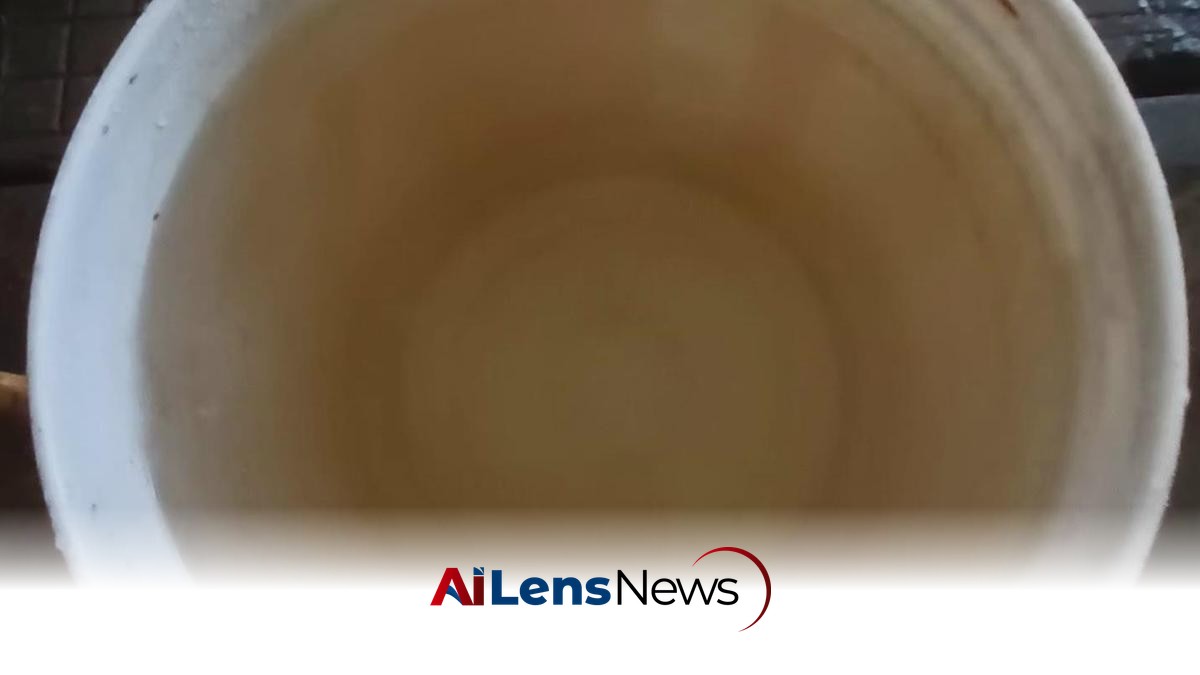


Residents of Velachery are urging Chennai Metrowater to enhance water supply and replace aging pipelines to address ongoing issues.
Chennai, India Jul 11, 2026 ALN: Residents of Velachery, a prominent locality in Chennai, have raised their voices in unison, urging Chennai Metrowater to expedite the implementation of the 24x7 water supply scheme. This initiative is crucial for ensuring a consistent and reliable water supply to the residents, particularly as the city continues to grow and face increasing demands on its water resources. Alongside this, they have also called for the urgent replacement of aging water and sewer lines in the area, which have been a source of ongoing concern for many residents.
The representation submitted to Chennai Metrowater authorities outlines the specific demands of the residents, who are seeking an increase in the current water supply of 14 million litres per day (mld) to a more adequate level of 18-20 mld. This increase is particularly important for tail-end areas such as AGS Colony, Andal Nagar, and Buwaneswari Nagar, which have historically struggled to receive sufficient water supply. The disparity in water distribution has led to frustrations among residents who feel neglected and underserved.
V. Sundar, a resident of Velachery, has articulated the pressing need for action, emphasizing that the water and sewer lines in the area were laid three decades ago and have since deteriorated significantly. The aging infrastructure has resulted in many tail-end areas suffering from erratic water supply or inadequate service, leading to a situation where residents are often left without access to clean water. This issue is not only inconvenient but poses potential health risks, as residents may resort to using contaminated water sources when supply is insufficient.
In addition to the concerns regarding water supply, members of the AGS Colony Welfare Association have also highlighted the need for improvements to the sewage system in the locality. They have called for the prioritization of upgrading the AGS Colony sewage pumping station, which is situated in a densely populated residential area. The installation of an odour control unit has been specifically requested to alleviate the unpleasant smells that frequently emanate from the pumping station, further affecting the quality of life for residents.
Areas such as AGS Colony, Venkateswara Nagar, and Ram Nagar have been particularly hard-hit by sewage overflow incidents. Geetha Ganesh, the secretary of the AGS Colony Welfare Association, reported that these overflow events occur roughly once every two months, underscoring the urgent need for network replacement and upgrades. Such incidents not only create unsanitary conditions but can also lead to further complications, including health hazards and property damage.
In their representation, residents have also requested that the authorities consider simultaneous changes to the water and sewer lines alongside the implementation of the ring main distribution system. This approach is intended to ensure that all residents benefit from an equitable water supply, reducing the disparities between different areas within Velachery. Metrowater authorities have responded to these concerns with assurances that the issues will be addressed, although residents remain cautious and eager for tangible results.
The situation in Velachery is reflective of broader challenges faced by urban areas across India, where rapid population growth and urbanization have outpaced the development of essential infrastructure. Many cities, including Chennai, are grappling with aging water supply systems that struggle to meet the demands of their growing populations. The need for modern, efficient infrastructure has never been more critical, as inadequate water supply and sewage systems can lead to severe public health issues, particularly in densely populated areas.
Moreover, the issue of water quality has also emerged as a significant concern among residents. For instance, residents of Thalayari Street in Royapettah have reported foul odours in their drinking water, raising alarms about the safety and potability of their water supply. Satish Kumar, a resident of this area, has noted that the recurring issues stemming from the old network have rendered the drinking water unusable at times, forcing residents to seek alternative, potentially unsafe sources of water. This situation highlights the urgent need for comprehensive assessments of water quality and infrastructure integrity across the city.
The call for action from Velachery residents serves as a reminder of the critical importance of investing in urban infrastructure. The implications of failing to address these issues extend beyond mere inconvenience; they can significantly impact public health, economic stability, and overall quality of life. As Chennai continues to develop, it is imperative that the government and relevant authorities prioritize the modernization of water supply and sewage systems to ensure that all residents have access to safe, reliable water and sanitation services.
In conclusion, the demands of Velachery residents for improved water supply and infrastructure upgrades underscore a pressing need for action. As they await responses from Chennai Metrowater, the situation serves as a crucial reminder of the broader challenges faced by urban centers in India regarding water management and infrastructure development. The residents' proactive stance in voicing their concerns is a vital step towards fostering accountability and ensuring that their needs are met in the face of ongoing urban challenges.
Understanding the context of Velachery's water supply issues requires a look at the broader socio-economic landscape of Chennai. The city's rapid urbanization has led to a significant increase in population density, with many families migrating to the city in search of better employment opportunities and living conditions. This influx has placed immense pressure on existing infrastructure, which has not kept pace with the growing needs of the population.
Chennai, like many other cities in India, faces the dual challenge of managing limited water resources while catering to a burgeoning population. The city's water supply is heavily reliant on monsoon rains, and with climate change leading to unpredictable weather patterns, the reliability of water supply has become increasingly uncertain. This has further exacerbated the situation in areas like Velachery, where residents are left vulnerable to both water scarcity and the consequences of aging infrastructure.
The ongoing issues with water supply and sanitation in Velachery are not isolated incidents but are part of a larger narrative about urban management in India. Many cities are grappling with similar challenges, where the demands of a growing urban population often clash with outdated infrastructure and inadequate planning. The need for comprehensive urban planning that takes into account population growth, infrastructure development, and environmental sustainability is more pressing than ever.
Furthermore, the socio-economic implications of inadequate water supply extend beyond mere inconvenience. Poor water quality and unreliable access can lead to a host of health issues, particularly among vulnerable populations such as children and the elderly. Waterborne diseases are a significant risk in areas with compromised water supply systems, and the burden of these health issues can strain local healthcare facilities and resources.
In light of these challenges, it is essential for local authorities and policymakers to engage with residents actively and transparently. The representation from Velachery residents to Chennai Metrowater is a crucial step in this direction, as it not only highlights the immediate concerns of the community but also serves as a call to action for authorities to prioritize infrastructure upgrades and ensure the equitable distribution of resources.
Moreover, the involvement of local welfare associations, such as the AGS Colony Welfare Association, plays a vital role in advocating for community needs. These organizations can serve as a bridge between residents and authorities, ensuring that voices are heard and that concerns are addressed in a timely manner. Their efforts in raising awareness about the issues faced by residents can lead to greater accountability and more effective solutions.
As the residents of Velachery continue to advocate for their rights to clean water and improved infrastructure, it is imperative that the broader community and stakeholders recognize the importance of these issues. Collaborative efforts between the government, local organizations, and residents can pave the way for sustainable urban development that meets the needs of all citizens.
In summary, the situation in Velachery highlights a critical intersection of urbanization, infrastructure challenges, and public health concerns. The proactive demands of residents for improved water supply and sewage systems reflect a growing awareness of the need for sustainable urban management. As Chennai and other Indian cities navigate the complexities of urban growth, the lessons learned from Velachery can inform future strategies aimed at creating resilient and equitable urban environments.
To learn more about the latest developments in Local & Regional, stay updated with our exclusive reports and analyses on AiLensNews.

