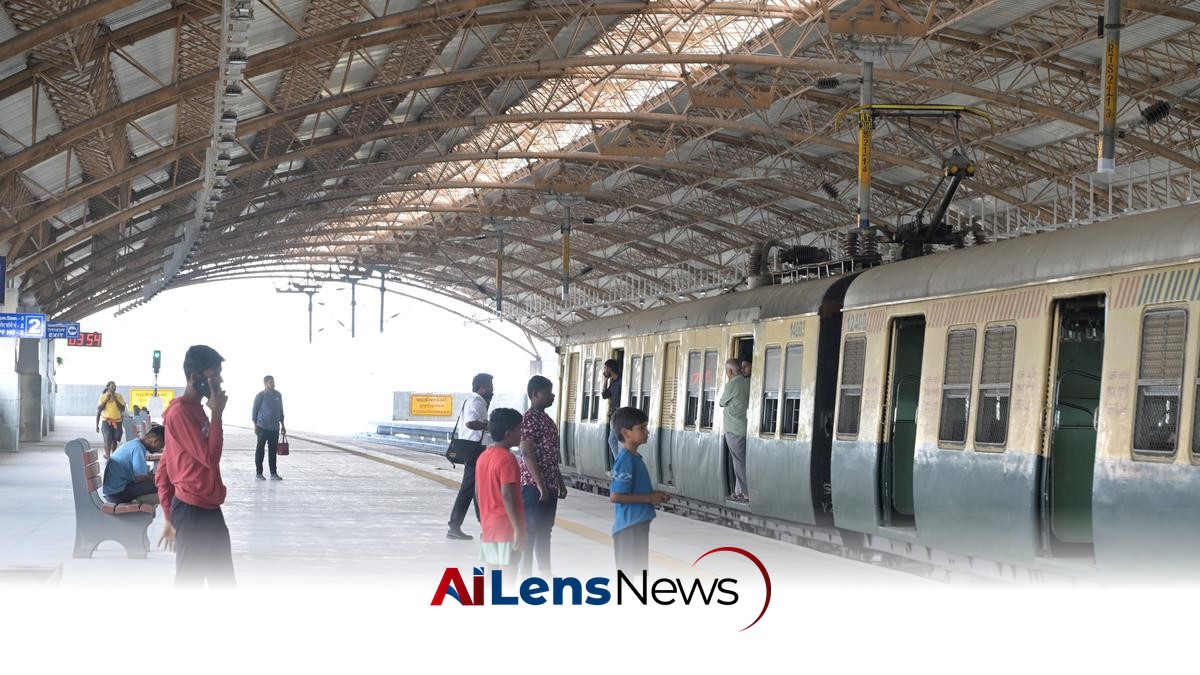


The ₹6,600-crore MRTS rejuvenation project aims to upgrade Chennai's transit system to metro standards, with funding assistance from the Union government.
Chennai, India Jul 12, 2026 ALN: The government has written to the Centre seeking funds and loan assistance to revamp the Mass Rapid Transit System (MRTS) in Chennai. This initiative reflects the state’s commitment to improving urban transportation and enhancing the quality of life for its residents. The MRTS, which has been operational since the early 2000s, plays a crucial role in alleviating traffic congestion in Chennai, a city that has seen rapid urban growth and increasing population density over the years.
Chennai, the capital city of , is one of the largest metropolitan areas in India. With a population exceeding 10 million, the city has experienced a significant increase in the number of vehicles on the roads, leading to severe traffic congestion and related issues such as air pollution and longer commute times. The MRTS was introduced as a solution to these problems, providing a reliable and efficient mode of transportation for commuters. However, over the years, the system has faced challenges including outdated infrastructure, limited coverage, and insufficient capacity to meet the growing demand.
The State government has pitched this proposal as the ‘MRTS Rejuvenation’ project, requesting that it be classified as a ‘Central sector’ project, sources said. The estimated cost of the project is nearly ₹6,600 crore. This significant investment underscores the urgency and importance of modernizing the MRTS infrastructure to meet the demands of a growing urban population and to integrate more seamlessly with the broader transportation network in Chennai. The classification as a Central Sector project is particularly important as it would allow for more extensive funding opportunities, which are crucial for large-scale infrastructure projects.
This initiative is part of the government’s efforts to transfer MRTS operations to Chennai Metro Rail Limited (CMRL) and enhance the system. The transfer to CMRL is expected to bring in better management practices and operational efficiencies, which have been hallmarks of the Chennai Metro system since its inception. The Chennai Metro, which commenced operations in 2015, has been widely praised for its punctuality, cleanliness, and overall service quality. By leveraging CMRL’s expertise, the state aims to improve service reliability and reduce travel times for commuters.
Sources indicate that categorizing it as a ‘Central Sector’ project would allow for equitable sharing of equity and facilitate external funding assistance if the project is approved. This approach aims to alleviate financial burdens on the State, sources added. The collaborative funding model is intended to foster a stronger partnership between the state and central governments, particularly in urban transport development. In recent years, the central government has emphasized the need for modernized public transport systems in urban areas, recognizing their role in sustainable development and improved urban living conditions.
The preliminary project report for renovating the MRTS stations has been submitted to the Ministry of Housing and Urban Affairs (MoHUA). The renovation will likely include improvements in passenger amenities, accessibility features, and overall station aesthetics. Enhancing the stations is not only about physical upgrades; it also aims to improve the commuter experience significantly, making the MRTS more attractive for daily use. The proposed enhancements may include the installation of escalators, elevators, and better signage to assist passengers, particularly those with disabilities or the elderly.
If the Centre and MoHUA approve the ‘MRTS Rejuvenation’ project proposal, it will be forwarded to the Department of Economic Affairs to seek loans from external agencies. This step is critical as it would enable the state to secure the necessary funding to kickstart the project. Engaging with external agencies can also bring in technical expertise and best practices from similar projects undertaken in other regions. International funding bodies, such as the Asian Development Bank (ADB) or the World Bank, often participate in urban transport projects, providing not only financial resources but also valuable insights into successful implementation strategies.
The project aims to elevate the MRTS system to CMRL standards by refurbishing stations, modernizing systems, and upgrading trains. “The Centre has been positive and keen to approve the project,” a source stated. This positive indication from the Centre is vital for the state government’s plans, as timely approval can lead to expedited project implementation, which is essential given the increasing demand for efficient public transport solutions in Chennai. The potential for a modernized MRTS could also encourage more residents to utilize public transport, thereby reducing the number of vehicles on the roads and contributing to decreased traffic congestion.
After years of waiting, the Railway Board cleared the CMRL takeover of MRTS in July 2025. This decision marked a significant milestone in the efforts to streamline urban transportation in Chennai. However, the takeover process can only commence once a Memorandum of Understanding (MoU) is signed between the Southern Railway and the government. The MoU is a crucial document that outlines the terms and conditions under which the transfer of operations will occur. It is expected to cover operational responsibilities, financial arrangements, and timelines for the transition. The clarity provided by the MoU will be essential in ensuring a smooth transition of operations and minimizing disruptions to current services.
Currently, the MoU document is under review by the Railway Board. “We expect the Railway Board’s approval to come in three weeks,” another source mentioned. The timely approval of the MoU is essential for maintaining momentum in the project, as any delays could hinder the overall timeline for the MRTS Rejuvenation project and the subsequent takeover by CMRL. The urgency of this approval is underscored by the growing public demand for improved transportation options in Chennai, especially as the city continues to expand.
Advancing the ‘MRTS Rejuvenation’ project as a ‘Central Sector’ initiative will also facilitate the Railway Board's prompt approval of the MoU document, sources added. The expedited approval process is critical as it allows for a smoother transition and ensures that the project does not face unnecessary bureaucratic hurdles. The Railway Board's support is seen as pivotal in ensuring the successful integration of MRTS operations into the CMRL framework. With the integration of MRTS into CMRL, there is an expectation that the service quality will improve, similar to the operational standards seen in the Chennai Metro.
The Chennai Unified Metropolitan Transport Authority (CUMTA), which is overseeing the takeover process and coordinating between the State government and the Railways, has been monitoring the project’s progress. CUMTA’s role is to ensure that the integration of MRTS into the larger metropolitan transport framework is seamless and efficient. The organization will continue to support the transition until the complete takeover of MRTS by CMRL is finalized. CUMTA’s involvement is crucial, as it is responsible for planning and coordinating various transport services in the metropolitan area, ensuring that they operate in harmony with one another.
In conclusion, the proposed MRTS Rejuvenation project represents a significant step towards modernizing Chennai's public transportation infrastructure. The collaboration between state and central governments, along with the involvement of CMRL and CUMTA, indicates a comprehensive approach to addressing the challenges of urban mobility in Chennai. With the anticipated approval from the Railway Board and the Centre, the project could pave the way for a more efficient, reliable, and user-friendly mass transit system that meets the needs of Chennai’s growing population. The implications of this project extend beyond just transportation; it is expected to have a positive impact on urban development, environmental sustainability, and the overall quality of life for residents in Chennai.
To learn more about the latest developments in Local & Regional, stay updated with our exclusive reports and analyses on AiLensNews.

