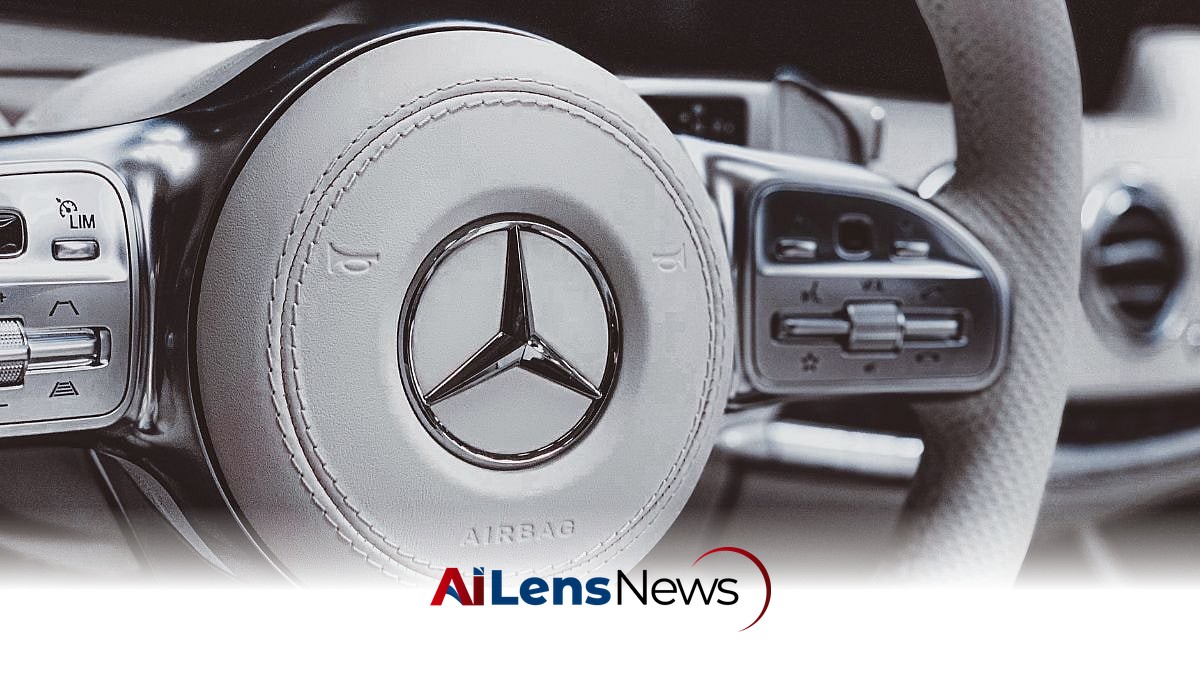


Mercedes-Benz India has clarified that all its BS VI petrol vehicles are compatible with E20 fuel, following a viral claim about reduced mileage by YouTuber Sourav Joshi.
New Delhi, India Jul 13, 2026 ALN: The debate surrounding E20 petrol has reignited after a viral social media clip featuring popular YouTuber Sourav Joshi and former Delhi Chief Minister Arvind Kejriwal raised concerns about the impact of ethanol-blended fuel on vehicle performance. This incident has sparked a wider discussion about the viability and implications of using E20 fuel in the Indian automotive market, particularly regarding its compatibility with various vehicle models.
In response to the growing discussion, Mercedes-Benz India has issued a customer advisory reaffirming that all its petrol BS VI vehicles are fully compatible with E20 fuel. This statement comes amid rising public concern and confusion regarding the new fuel blend, which contains up to 20 percent ethanol. The advisory, shared by the luxury carmaker, emphasizes that customer safety, vehicle reliability, and performance remain its top priorities. It states that all Mercedes-Benz petrol BS VI vehicles are materially compatible with E20 fuel and have been certified by the relevant authorities. The company also assured customers that it is available to address any technical queries and reiterated its commitment to sustainable mobility.
The controversy began when a video circulated widely on social media, in which Sourav Joshi claimed that the fuel efficiency of his Mercedes-Benz had dropped dramatically after switching to E20 petrol. In the clip, he alleged that the car's mileage had fallen from around 16–17 km/l to nearly 5 km/l. This stark decrease in fuel efficiency raised alarms among viewers, particularly those who own similar vehicles or are considering the switch to E20 fuel.
While driving with his wife, Joshi expressed concern that if the vehicle developed a fault, he might have to send it from his hometown in Uttarakhand to Delhi for repairs. This statement reflects a broader anxiety among consumers regarding the reliability of their vehicles when using a new fuel type. He further suggested that such experiences strengthened the case for adopting electric vehicles, which have been gaining traction as a cleaner alternative amidst growing environmental concerns.
The viral clip also featured another vehicle owner telling Arvind Kejriwal that the mileage of his car had significantly deteriorated after using E20 fuel, further fueling public discussion over ethanol-blended petrol. The involvement of a prominent political figure like Kejriwal in the conversation added to the urgency and visibility of the issue, drawing attention from various stakeholders including policymakers, environmentalists, and automotive manufacturers.
However, Sourav Joshi has since deleted the vlog segment in which he made the mileage claim. This action has led to speculation about the accuracy of his statements and whether they were influenced by external factors. Separately, a social media post stating that "Mercedes should sue him" has gained traction online. Mercedes-Benz has not publicly responded to that demand, and there is no indication that the company has initiated or plans to initiate any legal action. This silence could be interpreted in various ways, including a strategic decision to avoid further entanglement in the controversy.
The Government of India has been actively promoting E20 petrol as part of its strategy to reduce dependence on imported crude oil, cut carbon emissions, and boost domestic ethanol production. This initiative is aligned with the country's broader goals of enhancing energy security and promoting sustainable practices. E20 fuel is seen as a step towards achieving these objectives, as it can significantly reduce greenhouse gas emissions compared to conventional petrol.
In line with this policy, automobile manufacturers have introduced E20-compatible vehicles across multiple segments. The push towards E20 is not just about compliance but also about innovation in the automotive sector. Manufacturers are investing in research and development to create engines that can efficiently utilize higher ethanol blends without compromising performance or reliability.
Automotive experts have consistently maintained that vehicles specifically designed and certified for E20 fuel are engineered to operate on the higher ethanol blend. These vehicles are equipped with components that can withstand the corrosive nature of ethanol and are tuned to optimize performance with the fuel. Owners of older vehicles, however, are advised to consult their manufacturer's recommendations before using E20 petrol. This caution is crucial as older engines may not be designed to handle the increased ethanol content, potentially leading to engine damage or reduced performance.
The conversation surrounding E20 fuel also touches on broader themes of sustainability and the future of transportation in India. As the country aims to transition towards more sustainable energy sources, the role of alternative fuels like ethanol becomes increasingly significant. Ethanol can be produced from various biomass sources, including agricultural waste, which not only provides a renewable energy source but also supports local farmers and the economy.
Moreover, the discussion around E20 fuel highlights the importance of consumer education in the adoption of new technologies. As the automotive industry evolves, it is essential for consumers to be informed about the benefits and potential drawbacks of new fuel types. This includes understanding how different fuels can impact vehicle performance, maintenance requirements, and environmental implications.
In conclusion, while the controversy surrounding E20 fuel has raised valid concerns, it also presents an opportunity for dialogue among consumers, manufacturers, and policymakers. As India moves towards a more sustainable future, the successful integration of alternative fuels like E20 will depend on collaboration, transparency, and ongoing education. The commitment of companies like Mercedes-Benz to ensure compatibility and performance with E20 fuel is a positive step in this direction, but it will require collective efforts to address the challenges and maximize the benefits of this transition for all stakeholders involved.
To learn more about the latest developments in Health & Public Safety, stay updated with our exclusive reports and analyses on AiLensNews.

