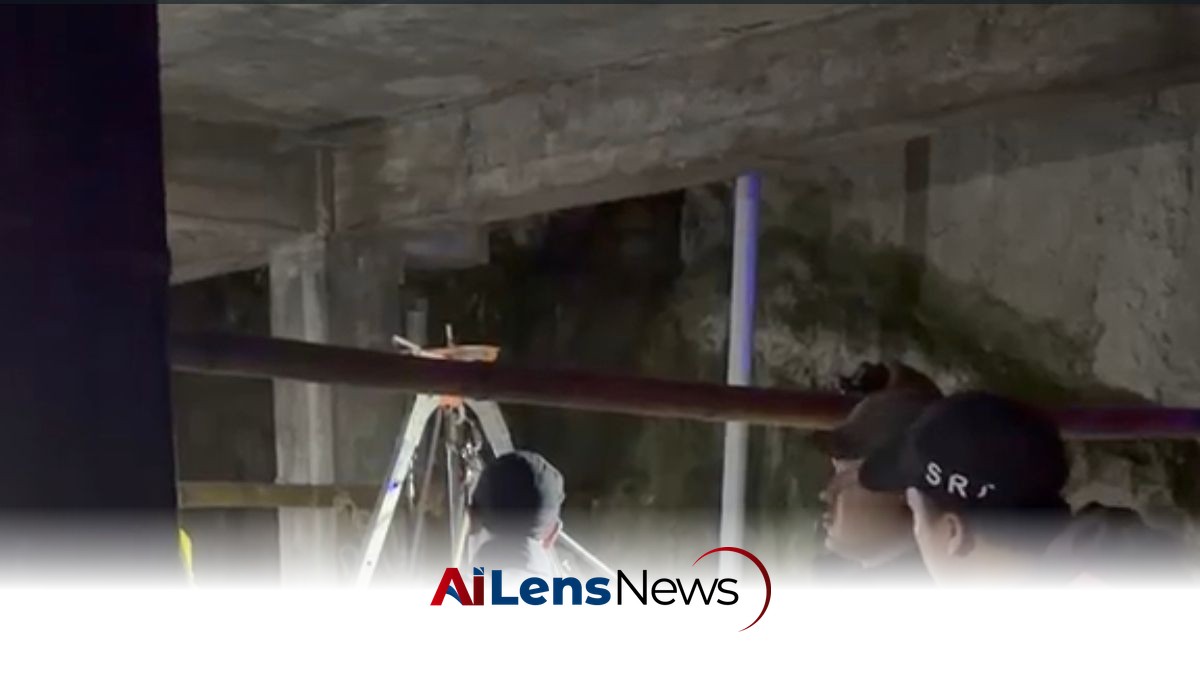


Five individuals, including two rescuers, succumbed to suffocation in a well in Lapalang, Shillong. An investigation is underway following the incident.
Shillong, India Jul 11, 2026 ALN: A tragic incident unfolded on July 10 in Lapalang, Shillong, where five individuals lost their lives due to suffocation in a dug-out well. This unfortunate event has raised serious concerns regarding safety practices at construction sites and the responsibilities of contractors and site owners.
According to East Khasi Hills Superintendent of Police (SP) Vivek Syiem, the incident occurred around 7:30 PM when four laborers were working in a well at a private construction site under the jurisdiction of Rynjah Police Station. The laborers succumbed to suffocation caused by smoke emanating from a generator that was being used to pump out water from the well. In a desperate attempt to save the trapped laborers, two local brothers, who were not part of the construction team, entered the well but became victims themselves, ultimately resulting in a total of five fatalities.
The immediate aftermath of the incident saw the State Response Team deployed to retrieve the bodies, which were subsequently taken to the North Eastern Indira Gandhi Regional Institute of Health and Medical Sciences (NEIGRIHMS), where they were declared brought dead. The incident has since led to a formal investigation, with a case registered under Rynjah PS Case No.106(1)/125(a) BNS, in conjunction with Section 51(b) of the Disaster Management Act 2005.
List of Deceased:
In the wake of this calamity, the district administration has indicated that the sector magistrate has filed a First Information Report (FIR) against both the owner of the construction site and the contractor. This legal action is aimed at addressing the apparent negligence that contributed to the incident. The investigation will seek to determine whether proper safety protocols were in place and adhered to, particularly regarding the use of generators and the safety of workers in confined spaces.
This incident is not an isolated case; it reflects broader issues concerning workplace safety in the construction sector, particularly in regions where regulations may not be rigorously enforced. The use of generators in confined spaces, such as wells, poses significant risks, including carbon monoxide poisoning, which can lead to rapid incapacitation and death. The Occupational Safety and Health Administration (OSHA) guidelines emphasize the importance of ensuring adequate ventilation and employing safety measures when working in such environments.
The implications of this tragedy extend beyond the immediate loss of life. It raises critical questions about the enforcement of safety regulations in the construction industry and the responsibilities of employers to protect their workers. The incident underscores the necessity for comprehensive training on safety protocols, emergency response strategies, and the importance of having rescue plans in place before commencing any work that involves potential hazards.
Furthermore, community responses to such incidents often highlight the need for increased awareness and education regarding safety practices not only among workers but also within the local population. The local government and relevant authorities may need to initiate awareness campaigns to educate both employers and employees about the dangers associated with construction work and the importance of adhering to safety standards.
As this case unfolds, it is crucial for all stakeholders involved—including government agencies, construction companies, and labor organizations—to engage in dialogue aimed at improving safety measures and preventing future tragedies. The families of the deceased are undoubtedly grappling with immense grief, and it is imperative that their loss serves as a catalyst for change in safety practices within the construction industry.
In conclusion, the suffocation deaths in Lapalang serve as a sobering reminder of the potential dangers faced by laborers in the construction sector. As investigations proceed and accountability is sought, there is a pressing need for systemic changes to ensure that such incidents do not recur. The hope is that this tragedy will lead to enhanced safety regulations and a greater commitment to protecting the lives of workers in high-risk environments.
The construction industry is known for its hazardous working conditions, and incidents like this one highlight the urgent need for stricter enforcement of safety regulations. Many workers in the sector often face risks associated with heavy machinery, working at heights, and exposure to toxic substances. The tragedy in Lapalang is indicative of a systemic issue that has persisted in various forms across different regions. It is essential for regulatory bodies to not only establish guidelines but also to ensure that these guidelines are followed diligently.
Moreover, this incident has sparked discussions on the importance of mental health support for the families affected by such tragedies. The psychological impact of losing loved ones in such sudden and preventable circumstances can be profound. Community support systems, counseling services, and financial assistance may be necessary to help the families navigate their grief and the practical challenges they face after such a loss.
In light of the incident, it may also be beneficial for construction firms to conduct regular safety audits and training sessions for their workers. These audits should assess the safety measures in place, including the use of equipment, emergency protocols, and the training of personnel on how to respond to hazardous situations. By fostering a culture of safety and accountability, companies can contribute to reducing the likelihood of similar tragedies in the future.
In addition, the role of local governments cannot be understated. They have the authority to enforce building codes and safety regulations, and their proactive engagement in monitoring construction sites can play a crucial role in preventing accidents. Regular inspections and the imposition of penalties for non-compliance can serve as deterrents against negligence.
Ultimately, the tragedy in Lapalang serves as a call to action for all stakeholders involved in the construction industry. It is a reminder that the safety of workers should always be a priority, and that collective efforts are needed to foster an environment where safety is paramount. As the investigation unfolds, it is hoped that it will lead to meaningful changes that will protect the lives of those who work in high-risk environments and prevent such heartbreaking incidents from occurring in the future.
To learn more about the latest developments in Crime & Law, stay updated with our exclusive reports and analyses on AiLensNews.

