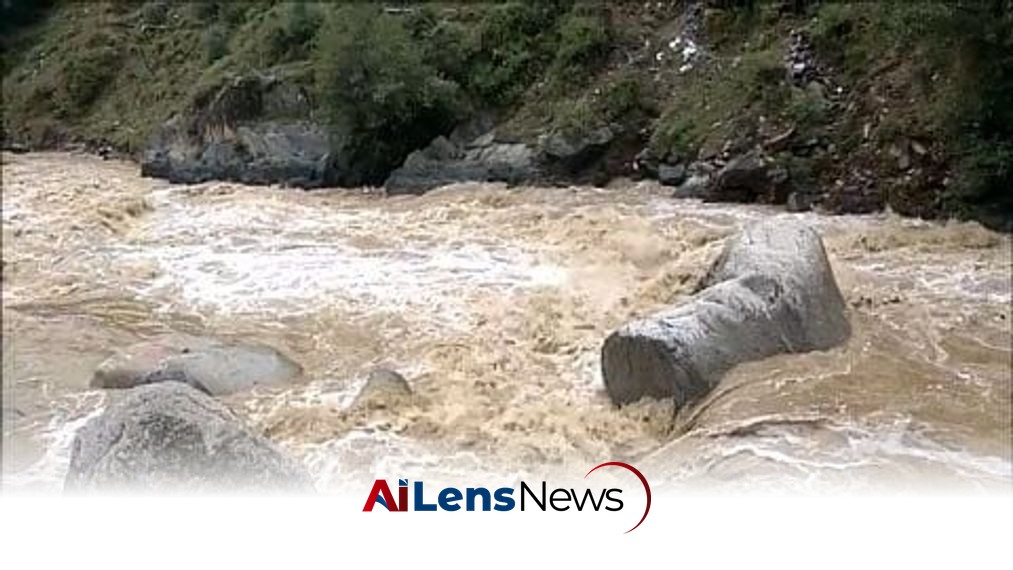


Two cloudbursts in Anantnag district, Kashmir, caused flash floods, damaging crops and properties. Officials are assessing the situation and advising caution.
Leh, India Jul 11, 2026 ALN: Two cloudbursts struck south Kashmir's Anantnag district on Saturday late evening, triggering flash floods in Shangus and Pahalgam, damaging agricultural land and inundating several huts and hotels, officials said.
The first cloudburst hit the upper reaches of Chatergul in Shangus, causing the Aaripath stream to swell. This sudden and intense rainfall is characteristic of cloudbursts, which are localized weather events that can result in extreme precipitation in a very short period. The phenomenon is particularly common in mountainous regions where the topography can lead to rapid condensation of moisture-laden air. Cloudbursts can produce rainfall exceeding 100 millimeters per hour, leading to immediate and severe flooding, often overwhelming drainage systems and creating hazardous conditions.
Floodwaters carrying mud and debris entered paddy fields, orchards, and parts of nearby residential areas, damaging standing crops, officials said. The impact of such events can be devastating for local agriculture, which is often the primary source of livelihood for many residents. In a region like Anantnag, where agriculture plays a vital role in the economy, the loss of crops can have long-term implications for food security and the financial stability of farming families. The agricultural sector in Kashmir is particularly vulnerable to climatic changes, and events like cloudbursts can disrupt the seasonal cycles critical for farming.
About an hour later, another cloudburst struck the Overa Wildlife Sanctuary in the Pahalgam area, leading to a sudden surge in the Overa Nallah. The overflowing stream entered several huts and hotels, creating panic in the area. Pahalgam is known for its scenic beauty and attracts a significant number of tourists, especially during the summer months. The influx of visitors can exacerbate the challenges faced by local infrastructure during such natural disasters, as many establishments may not be adequately equipped to handle sudden emergencies. The local economy, heavily reliant on tourism, can suffer greatly from the repercussions of such natural calamities, leading to decreased visitor numbers in the aftermath of flooding.
Officials stated that all concerned departments had been put on alert, while rescue and monitoring teams were deployed to assess the situation and keep watch over vulnerable areas. The rapid response of local authorities is crucial in mitigating the effects of such disasters. Ensuring that rescue teams are prepared and that communication lines are open can help prevent loss of life and facilitate timely assistance to those affected. The coordination between various departments, including disaster management, local police, and health services, is essential to ensure a comprehensive response to the crisis.
"There has been no report of any casualty so far. The damage assessment is underway at both locations," an official said. The absence of reported casualties is a relief, but it is essential for the authorities to conduct thorough assessments to understand the full scope of the damage. This includes evaluating the impact on infrastructure, agriculture, and the natural environment, which can be severely affected by such events. The long-term recovery process will depend on the thoroughness of these assessments and the subsequent allocation of resources for rebuilding and rehabilitation.
The administration has advised residents and visitors to stay away from rivers and streams, avoid venturing near the Aaripath and Overa Nallahs, and follow official advisories in view of the prevailing weather conditions. Public safety measures are critical during such emergencies. Advisories can help prevent accidents and ensure that people are aware of the risks associated with sudden flooding. The effectiveness of these advisories relies on clear communication and the ability of local authorities to reach all affected populations, including those in remote areas.
Cloudbursts are a significant concern in the region, particularly during the monsoon season. The Kashmir Valley, characterized by its mountainous terrain, often experiences sudden weather changes that can lead to such events. The increasing frequency of extreme weather events has raised alarms among meteorologists and environmentalists, who point to climate change as a potential contributing factor. Changes in weather patterns can lead to more intense and unpredictable rainfall, which poses risks not only to human settlements but also to the local ecosystem. Understanding the relationship between climate change and local weather phenomena is crucial for developing effective adaptation strategies.
In addition to immediate safety concerns, the long-term implications of such disasters can be profound. The damage to agricultural land can lead to decreased crop yields, which can affect local economies and food supply chains. Furthermore, the infrastructure damage can hinder access to essential services, including healthcare and education, particularly in rural areas where resources are already limited. The economic ripple effect of such disasters can extend beyond the immediate area, impacting markets and food prices regionally and even nationally.
The local government may need to consider implementing more robust disaster preparedness and response strategies. This could include improving early warning systems, enhancing infrastructure resilience, and increasing community awareness about the risks associated with extreme weather. Engaging local communities in disaster preparedness initiatives can empower residents to take proactive measures to protect themselves and their property. Education and training programs can help communities develop skills to respond effectively to emergencies and reduce reliance on external aid.
Moreover, environmental conservation efforts are critical in mitigating the impacts of climate change and reducing the vulnerability of the region to such natural disasters. Preserving natural ecosystems, such as forests and wetlands, can enhance the landscape's ability to absorb rainfall and reduce runoff, thereby lessening the likelihood of flash floods. Sustainable land use practices can also play a significant role in enhancing resilience against extreme weather events.
In conclusion, the recent cloudbursts in Anantnag's Shangus and Pahalgam serve as a stark reminder of the vulnerability of communities in mountainous regions to extreme weather events. As climate change continues to influence weather patterns, it is imperative for local governments, communities, and environmental organizations to work collaboratively to enhance resilience and preparedness for future disasters. The immediate response to the current situation will be crucial in safeguarding lives and property, but long-term strategies must also be developed to address the underlying vulnerabilities that make these areas susceptible to such devastating events. By fostering a culture of preparedness and resilience, communities can better navigate the challenges posed by climate change and natural disasters.
To learn more about the latest developments in Science & Environment, stay updated with our exclusive reports and analyses on AiLensNews.

