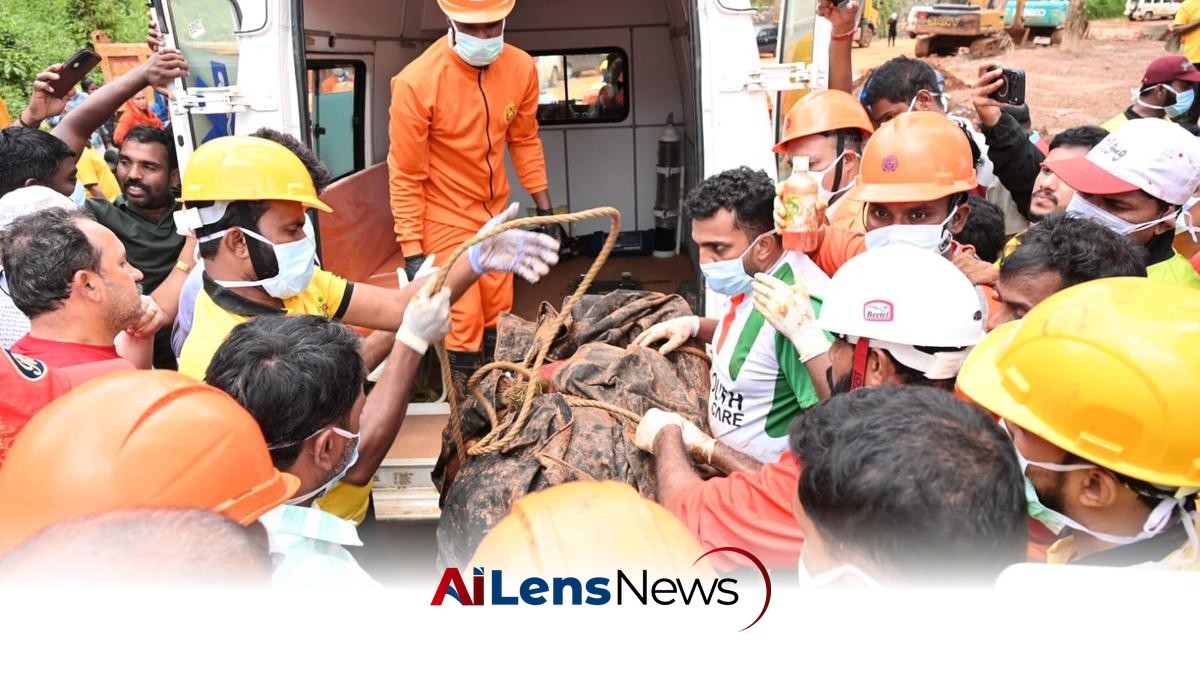


The body of Bikram Singh Rana, the last missing individual from a debris slip in Wayanad, has been recovered, bringing the total death toll to eight.
Thiruvananthapuram, India Jul 12, 2026 ALN: The recent recovery of the body of Bikram Singh Rana, a project manager from Himachal Pradesh, marks a somber conclusion to a tragic incident that unfolded in Wayanad. The devastating debris slip at a tunnel construction site in Kalladi, Meppadi, has claimed a total of eight lives, highlighting the dangers associated with large-scale infrastructure projects in vulnerable areas.
The debris slip occurred on July 7, 2026, at the entrance of the Wayanad twin-tunnel road project, a significant undertaking aimed at improving connectivity in the region. This project is part of a broader effort to enhance transportation infrastructure in Wayanad, which has been grappling with the challenges posed by its mountainous terrain and heavy monsoon rains. Such projects are critical for economic development but come with inherent risks, especially in areas prone to landslides and geological instability. The Wayanad district, located in the Western Ghats, is known for its steep slopes and heavy rainfall, particularly during the monsoon season, making it susceptible to geological hazards like landslides and debris flows.
Emergency response teams, comprising local authorities, police, and specialized rescue personnel, worked tirelessly over six days to locate and recover the missing individuals. The search operations faced numerous challenges, including unstable ground conditions and the sheer volume of debris that had accumulated following the slip. The area, known for its picturesque landscapes, is also notorious for its susceptibility to landslides, particularly during the monsoon season when heavy rainfall saturates the soil. The rescue operations were complicated by the need for safety measures to protect the teams from further collapses while they sifted through the debris in a race against time to find survivors.
Rana's body was discovered in Zone II of the search area, an area heavily impacted by the debris. The identification process involved his relatives, who were understandably distressed but relieved to finally have closure. The recovery of his body signifies that all individuals reported missing following the disaster have now been accounted for, allowing families to begin the grieving process. The emotional toll of such tragedies is profound, and the community has rallied around the affected families, offering support during this difficult time.
Once the body was recovered, it was transported to the Vythiri Taluk Hospital for a postmortem examination. This step is a standard procedure in such cases, ensuring that all legal and medical protocols are followed. After the examination, the body is set to be transferred to the Kozhikode Government Medical College Hospital for embalming, a necessary step before repatriation to his hometown in Himachal Pradesh. The logistics of transporting the deceased back to their native place involves coordination between local authorities and Rana’s family, reflecting the compassionate response of the community in times of grief. This process not only honors the deceased but also addresses the cultural and emotional needs of the bereaved families, emphasizing the importance of respect and dignity in the face of loss.
The incident has raised concerns regarding safety protocols at construction sites, particularly in regions vulnerable to natural disasters. The government, along with construction companies, may need to reassess their risk management strategies to prevent such tragedies in the future. This could involve implementing more stringent safety measures, conducting regular geological assessments, and ensuring that workers are trained to respond to emergencies effectively. The need for a comprehensive safety framework is critical, especially in areas like Wayanad, where the combination of natural beauty and geological risk poses unique challenges for infrastructure development.
In the wake of the disaster, there has been an outpouring of support from the local community and officials, with many expressing their condolences to the families affected. The loss of life in such incidents not only impacts the immediate families but also resonates throughout the community, highlighting the interconnectedness of society in times of crisis. Community leaders and local organizations have initiated support programs to assist the affected families, demonstrating solidarity and compassion in the face of tragedy.
Furthermore, this tragedy underscores the importance of infrastructure development that prioritizes safety and environmental considerations. As regions like Wayanad continue to develop, balancing economic growth with the preservation of natural landscapes and the safety of workers is paramount. The state government may need to engage in more comprehensive planning and community consultation to ensure that future projects do not lead to similar disasters. Engaging local communities in the planning process not only fosters trust but also ensures that local knowledge about the terrain and environmental conditions is incorporated into project designs.
As the recovery efforts conclude, discussions are likely to emerge regarding the future of the Wayanad twin-tunnel project. Stakeholders may need to evaluate the feasibility of continuing the project in light of the recent events. This could involve a temporary halt to operations until a thorough investigation into the causes of the debris slip is conducted, alongside a review of safety protocols. The results of this investigation will be crucial in determining the viability of the project and the measures needed to prevent future incidents of this nature.
In conclusion, the recovery of Bikram Singh Rana's body brings a painful end to a tragic chapter for his family and the community. As the region mourns the loss of lives, it also faces the challenge of moving forward while ensuring that lessons are learned from this disaster to prevent future occurrences. The commitment to improving safety standards in construction and infrastructure projects will be crucial in safeguarding lives and fostering a sustainable approach to development in Wayanad and similar regions across India. The incident serves as a stark reminder of the fragility of life in the face of nature's power and the responsibility that comes with development in vulnerable areas.
To learn more about the latest developments in Local & Regional, stay updated with our exclusive reports and analyses on AiLensNews.

