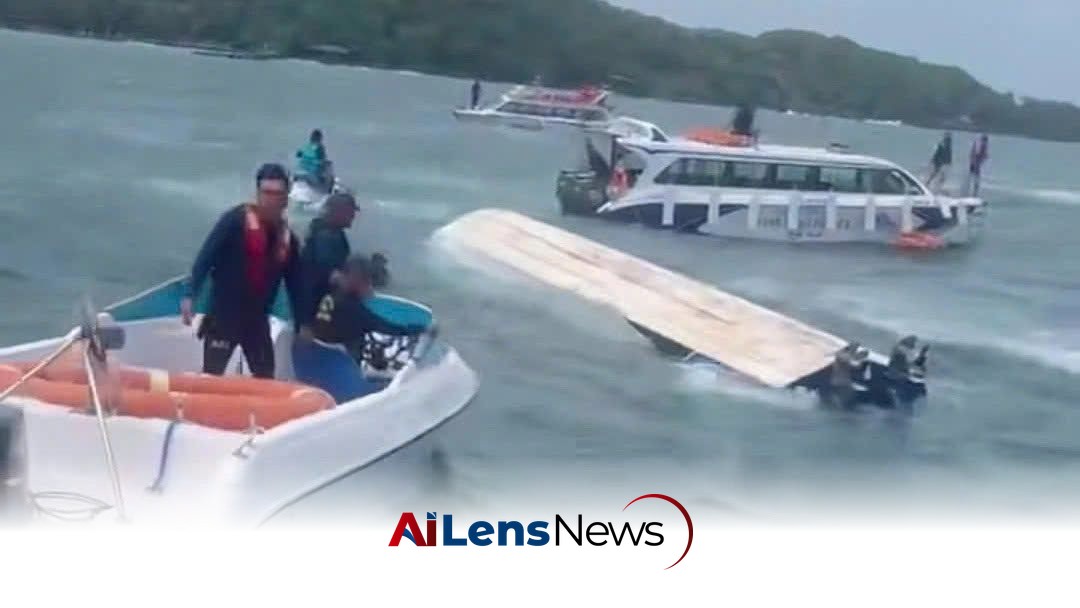


A tragic incident off Phu Quoc Island resulted in the deaths of 15 Indian tourists after their speedboat capsized. The local authorities are conducting rescue operations.
New Delhi, India Jul 11, 2026 ALN: Hanoi: A devastating boat capsize incident occurred in Vietnam on Saturday, claiming the lives of fifteen Indian tourists, according to local media reports.
The speedboat was carrying a total of 32 Indian tourists along with four crew members when it capsized approximately 400 meters off Hon May Rut Ngoai, an island in the An Thoi archipelago, located off the coast of Phu Quoc. This tragic event was reported by the Vietnamese news portal VN Express International.
Authorities in the Phu Quoc Special Economic Zone indicated that nearby tourist boats were quick to respond, providing assistance before the border guards, navy, coast guard, and other forces joined the search-and-rescue operation. The rapid response from local vessels and authorities underscores the collaborative efforts often seen in emergency situations, aiming to minimize loss of life and provide immediate care to survivors.
Phu Quoc, recognized as Vietnam’s largest island, is a popular tourist destination known for its stunning white-sand beaches, vibrant coral reefs, and exciting island-hopping excursions. The island has seen a significant increase in tourism over the years, with visitors drawn to its natural beauty and recreational activities. However, this incident serves as a sobering reminder of the risks associated with maritime travel, particularly in regions where weather conditions can change rapidly.
According to the daily Viet Nam News, 21 individuals were rescued from the incident, while 15 tourists tragically lost their lives. Reports indicate that two of the rescued individuals are currently in critical condition, highlighting the severity of the incident and the need for ongoing medical support for survivors. The loss of life in such circumstances is particularly poignant, as it affects families and communities back in India, where the victims were likely part of larger groups traveling together.
Both local media outlets have cited adverse weather conditions, including strong waves and winds, as contributing factors to the capsizing. The region is known for its tropical climate, which can lead to sudden storms and rough seas, particularly during certain seasons. This raises questions about the safety protocols in place for tourist vessels operating in these waters, especially during periods of inclement weather.
In response to the incident, the Indian Embassy in Hanoi issued a statement on X, announcing the establishment of control rooms at the Consulate General of India in Ho Chi Minh City and at the Embassy in Hanoi to provide information and assistance to affected families. The control room in Ho Chi Minh City can be reached at +84 36 281 7930, +84 91 552 37 14, and +84 33 452 0414. The Hanoi control room is available at +84 91 308 9165. This proactive approach by the Indian government reflects the importance of providing timely support to families who may be in distress following such a tragic event.
As of now, the Indian mission has not released further details regarding the fatalities. The lack of immediate information can often lead to speculation and anxiety among the families and friends of those involved, highlighting the need for clear communication from authorities during crises.
This tragic incident has sent shockwaves through the Indian community and highlights the importance of safety measures in tourism, especially in regions prone to adverse weather conditions. It raises critical questions about the regulatory framework governing tourist activities in Vietnam, particularly regarding the safety standards for boats and the training of crew members. Ensuring that operators adhere to stringent safety regulations is essential for preventing future incidents.
In light of this incident, it may be necessary for both Vietnamese authorities and tourism operators to reevaluate their safety protocols. This could include more rigorous checks on the weather conditions before allowing vessels to set sail, as well as ensuring that all boats are equipped with appropriate safety gear, such as life jackets and emergency flotation devices. Additionally, crew members should receive comprehensive training in emergency response procedures to better prepare them for unforeseen situations.
The implications of this incident extend beyond immediate safety concerns. It also raises awareness about the broader issues of tourism safety in developing countries, where rapid growth in the tourism sector can sometimes outpace the establishment of necessary infrastructure and regulations. As more travelers flock to destinations like Phu Quoc, it becomes increasingly important for local governments to prioritize the safety of tourists to maintain the reputation of these regions as safe and enjoyable travel destinations.
Moreover, the Indian government may need to consider providing more extensive travel advisories and safety information to its citizens traveling abroad. Encouraging tourists to stay informed about local conditions and safety protocols can empower them to make safer choices while traveling. This incident could serve as a catalyst for discussions on improving international cooperation in tourism safety, with countries sharing best practices and strategies to enhance the safety of tourists.
As the investigation into the capsizing continues, the focus will likely remain on understanding the sequence of events that led to this tragedy. Authorities will need to gather testimonies from survivors, analyze weather reports, and assess the condition of the speedboat to determine the exact cause of the incident. The findings of this investigation could lead to significant changes in how tourism operations are conducted in Vietnam and similar regions.
In conclusion, the capsizing of the speedboat near Phu Quoc Island is a tragic event that highlights the vulnerabilities inherent in maritime tourism. It serves as a stark reminder of the importance of safety in travel and the need for continuous improvement in regulations and practices to protect tourists. The loss of life is a profound tragedy, and the focus now shifts to supporting the families affected and preventing such incidents from occurring in the future.
To learn more about the latest developments in Health & Public Safety, stay updated with our exclusive reports and analyses on AiLensNews.

