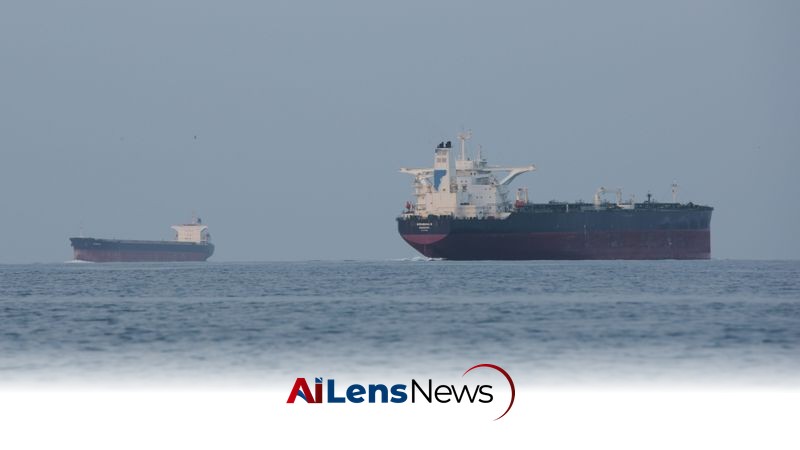


The Indian government has condemned the attack on the GFS Galaxy off Oman, resulting in one missing national and ten rescued.
New Delhi, India Jul 12, 2026 ALN: The Indian government has expressed its strong condemnation of the attack on the commercial vessel GFS Galaxy, which occurred off the coast of Oman on Sunday. The incident has left one Indian national missing, while ten others were successfully rescued. The attack has raised significant concerns regarding maritime security in one of the world's busiest shipping lanes, underscoring the risks faced by commercial vessels operating in international waters.
The Ministry of External Affairs (MEA) confirmed the details of the attack, stating that the vessel was targeted while it was navigating in international waters. The MEA has been in touch with the relevant authorities to ensure the safety of the crew members and to gather more information regarding the incident. Such attacks not only threaten the lives of those on board but also pose a significant risk to international trade and shipping operations.
According to reports, the GFS Galaxy was attacked by unidentified assailants, prompting immediate rescue operations. The Indian nationals aboard the vessel were part of a larger crew, and the swift response from nearby vessels helped in the rescue of ten crew members. The situation surrounding the attack remains unclear, with investigations underway to determine the motives behind the assault and the identities of the attackers.
The vessel, GFS Galaxy, is known to operate in a region that has seen an increase in maritime threats, including piracy and armed assaults. The Gulf of Oman, where the incident occurred, is a critical route for oil and gas shipments, making it a focal point for maritime security concerns. The region has witnessed various incidents over the years that have raised alarms about the safety of shipping lanes, particularly amidst geopolitical tensions.
The Gulf of Oman is strategically significant, serving as a gateway for ships traveling to and from the Strait of Hormuz, which is one of the world's most critical chokepoints for oil transport. The proximity of this waterway to several countries with ongoing geopolitical tensions, including Iran, has heightened the risks associated with maritime operations in the region. The potential for conflict, piracy, and other forms of maritime crime has been a growing concern for nations that rely on these routes for trade.
The Indian government has reiterated its commitment to the safety and security of its citizens abroad. The MEA is actively coordinating with the Oman authorities to locate the missing individual and to provide assistance to the rescued crew members. The Indian government is likely to increase its diplomatic efforts to ensure that the incident is thoroughly investigated and that those responsible are brought to justice.
In addition to immediate rescue operations, the Indian government may also consider enhancing its maritime security protocols, particularly for vessels flagged under its jurisdiction. This could involve closer monitoring of shipping routes and increased collaboration with international maritime security organizations. The MEA has emphasized the importance of cooperation with other nations to combat piracy and ensure the safety of commercial vessels operating in high-risk areas.
Furthermore, the Indian government may also engage with international maritime organizations to discuss potential measures for increasing security in the region. This could include joint naval exercises, sharing intelligence on maritime threats, and establishing protocols for rapid response to incidents involving commercial vessels.
This attack raises concerns about maritime security in the region, particularly for vessels operating in international waters. The Indian government is expected to engage with international partners to address the growing threats to maritime trade and safety. The incident could lead to discussions at international forums, including the United Nations, regarding the need for enhanced maritime security measures and collective action against piracy and maritime terrorism.
Moreover, the attack highlights the strategic importance of the Gulf of Oman as a vital shipping route that connects the Middle East with global markets. Disruptions in this area can have far-reaching implications for global trade, particularly in the oil and gas sectors. The Indian government, along with other nations that rely on these shipping lanes, may push for stronger naval presence and patrols in the region to deter future attacks.
Countries with significant maritime interests, such as the United States, the United Kingdom, and regional powers, may also reassess their naval strategies in light of this incident. Enhanced naval patrols and the establishment of secure corridors for commercial shipping could become a priority to ensure the safety of vessels transiting through these high-risk areas.
The incident highlights the vulnerabilities faced by commercial vessels and the need for enhanced security measures in maritime operations. As investigations continue, the Indian government remains focused on ensuring the safety of its nationals and addressing the broader implications of such attacks. The situation serves as a reminder of the ongoing challenges in securing maritime routes, as well as the importance of international cooperation in safeguarding the interests of nations that depend on these vital trade corridors.
In light of this attack, shipping companies may need to reassess their security protocols and consider implementing additional measures to protect their vessels and crews. This could include employing armed security personnel, utilizing advanced surveillance technology, and coordinating closely with naval forces operating in the region. The maritime industry must adapt to the evolving threats it faces, ensuring that the safety of crew members and the security of cargo remain paramount.
As the situation develops, the Indian government will likely continue to monitor the safety of its citizens abroad and work with international partners to strengthen maritime security initiatives. The attack on the GFS Galaxy is a stark reminder of the precarious nature of maritime operations in certain regions and the need for vigilance in protecting the lives of those who work at sea. The implications of this incident may resonate beyond immediate security concerns, influencing global trade patterns and international maritime laws in the years to come.
To learn more about the latest developments in World News & International Affairs, stay updated with our exclusive reports and analyses on AiLensNews.

