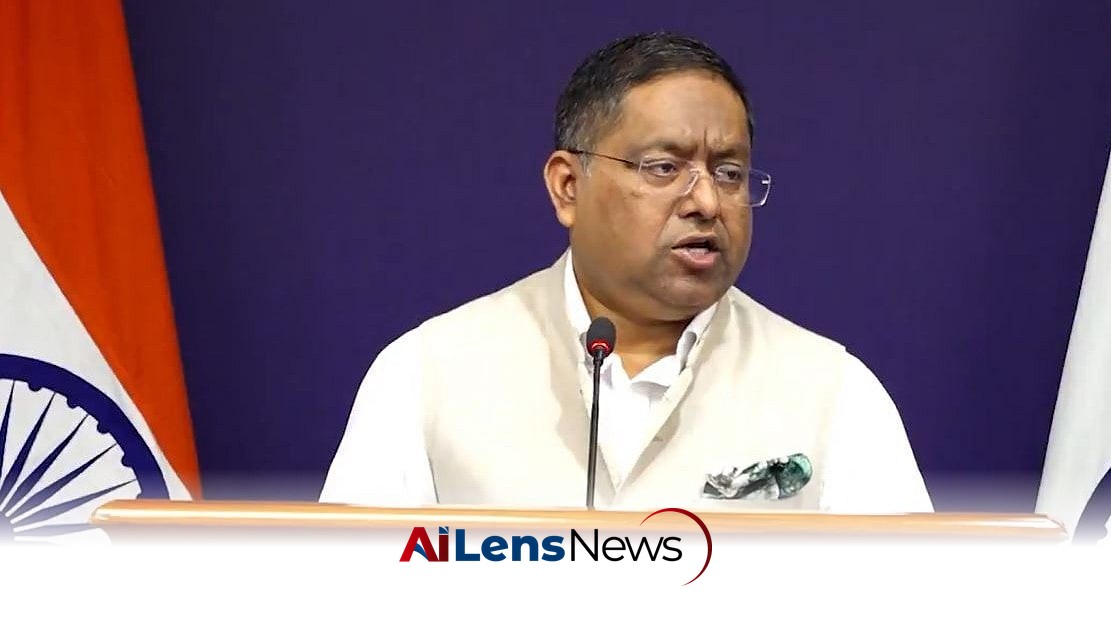


India has condemned the attack on the GFS Galaxy near Oman, confirming that 10 of the 11 Indian crew members were rescued, while one remains missing. The incident has heightened tensions between Iran and the US.
New Delhi, India Jul 12, 2026 ALN: India has expressed strong condemnation of the recent attack on the Cyprus-flagged merchant vessel, GFS Galaxy, which was struck by what Iranian authorities labeled a "warning shot" near the coast of Oman. This incident has raised serious concerns not only for the safety of seafarers but also for the stability of maritime operations in one of the world's most crucial shipping lanes. The Ministry of External Affairs (MEA) of India reported that among the crew members aboard the vessel, 11 were Indian nationals. While ten of these seafarers have been successfully rescued, one remains unaccounted for, prompting ongoing search and rescue efforts.
The Indian Embassy in Muscat is actively coordinating with Omani authorities to facilitate these efforts and provide support to the affected crew. The MEA has expressed appreciation for the assistance provided by Oman during this critical time, emphasizing the importance of international cooperation in maritime safety. The embassy's continuous monitoring of the situation highlights India's commitment to ensuring the welfare of its citizens abroad, especially in times of crisis.
The incident involving the GFS Galaxy is not an isolated event; it occurs against a backdrop of escalating tensions in the region, particularly between Iran and the United States. Reports indicate that the vessel was allegedly navigating through an unauthorized route in the Strait of Hormuz, a strategic waterway that is pivotal for global oil transport. Iran's assertion that the vessel was in violation of its maritime regulations has further complicated the situation, especially as Tehran announced the closure of the strait shortly after the attack.
The Strait of Hormuz is a narrow passage that connects the Persian Gulf to the Gulf of Oman and the Arabian Sea. It is one of the world's busiest maritime chokepoints, with a substantial percentage of global oil shipments passing through it. In fact, approximately 20% of the world's oil supply transits this strait. Any disruption in this region can have far-reaching consequences for global energy markets and international trade. The Iranian government's warning that any retaliatory action would result in a "severe response" underscores the potential for further escalation, which could destabilize the region even more.
In response to the attack, the United States has intensified its military operations in the region, targeting Iranian missile and drone installations, naval assets, ammunition depots, and communication systems. The US Central Command reported that approximately 140 Iranian military targets were struck in a recent operation, which is part of a broader strategy to contain Iranian influence and protect maritime navigation. This military response is indicative of the US's commitment to safeguarding its interests in the region, but it also raises concerns about the potential for a broader conflict.
India's response to the incident reflects a nuanced approach to foreign policy, balancing its strategic interests with a commitment to international law and maritime security. In light of the attack, India has called for immediate de-escalation of tensions and emphasized the need for diplomatic negotiations to restore peace and stability in the region. The MEA's statement that civilian infrastructure and commercial vessels must not be targeted aligns with international norms that prioritize the protection of non-combatants and civilian assets during conflicts.
The situation also highlights the critical role of international maritime law, particularly the United Nations Convention on the Law of the Sea (UNCLOS), which governs navigational rights and maritime boundaries. Ensuring free and uninterrupted navigation through international waterways is essential for maintaining global trade and economic stability. India's advocacy for adherence to international law in this context is significant, as it reinforces the country's position as a responsible maritime power.
Furthermore, the attack on the GFS Galaxy raises essential questions about the safety and security of commercial shipping in contested waters. The maritime domain is increasingly becoming a theater of geopolitical tensions, where the interests of various nations intersect. The presence of naval forces from multiple countries, including the US, Iran, and regional powers, creates a complex security environment that can lead to misunderstandings and unintended escalations.
As the search for the missing seafarer continues, the incident serves as a stark reminder of the vulnerabilities faced by commercial shipping in contested waters. The safety of seafarers and the protection of maritime routes are paramount concerns for nations that rely on these passages for trade and energy supplies. The international community must remain vigilant and proactive in addressing the challenges posed by maritime security threats, including piracy, territorial disputes, and military confrontations.
In addition, the incident highlights the importance of international collaboration in maritime safety. Countries must work together to establish clear communication channels and protocols to prevent such incidents from occurring in the future. This includes engaging in joint naval exercises, sharing intelligence, and fostering diplomatic dialogues to resolve disputes amicably.
Moreover, the implications of the attack extend beyond immediate maritime security concerns. The stability of the Middle East is crucial for global economic health, and any prolonged conflict in the region can disrupt oil supplies, leading to increased prices and economic instability worldwide. Countries dependent on oil imports may find themselves facing significant challenges if tensions continue to escalate.
In conclusion, the attack on the GFS Galaxy is a multifaceted issue that encapsulates the complexities of international relations and maritime security in the region. It underscores the need for collaborative efforts among nations to safeguard maritime routes and ensure the safety of all those who work at sea. As the situation develops, the focus will remain on the ongoing search and rescue operation for the missing Indian seafarer, as well as the broader implications for regional stability and international maritime law. The incident serves as a reminder of the precarious nature of maritime operations in geopolitically sensitive areas and the urgent need for a concerted global response to ensure the safety and security of international trade.
To learn more about the latest developments in World News & International Affairs, stay updated with our exclusive reports and analyses on AiLensNews.

