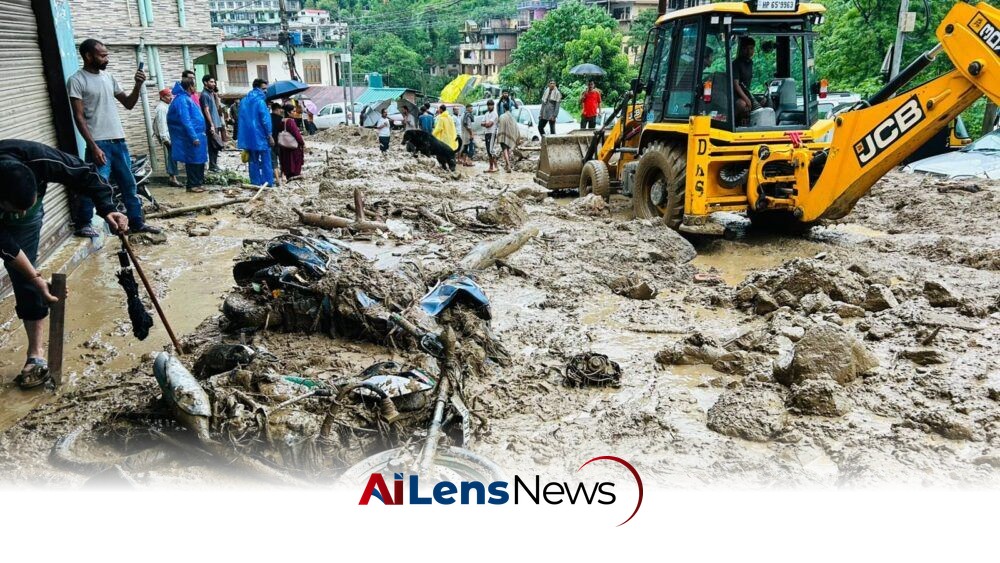


The monsoon season has caused severe devastation in Himachal Pradesh, leading to 170 deaths and financial losses exceeding ₹1,59,981 lakh, according to the State Emergency Operations Centre.
New Delhi, India Jul 31, 2025 ALN: SHIMLA| 31 July 2025 – The ongoing monsoon season in Himachal Pradesh has proven to be exceptionally devastating, with the state reporting a staggering total of 170 deaths, 278 injuries, and financial losses exceeding ₹1,59,981 lakh. This alarming situation has been documented in a comprehensive report released by the State Emergency Operations Centre (SEOC), detailing the widespread destruction that has occurred from June 20 to July 30, impacting the lives, homes, livestock, crops, and public infrastructure across all 12 districts of the state.
Despite the lack of new human casualties reported on July 30, the cumulative data illustrates the severe impact of this monsoon season. The heavy rainfall has led to numerous natural disasters, including flash floods, landslides, and cloudbursts, which have wreaked havoc on the mountainous terrain of Himachal Pradesh. The geographical features of the state, characterized by steep slopes and narrow valleys, make it particularly susceptible to such weather-related calamities.
| District | Deaths | Injured | Missing | Ex-Gratia Paid (₹ Lakh) |
|---|---|---|---|---|
| Bilaspur | 8 | 36 | — | 32 |
| Chamba | 17 | 21 | 1 | 68 |
| Hamirpur | 11 | 9 | — | 44 |
| Kangra | 25 | 3 | 2 | 100 |
| Kinnaur | 11 | 15 | 1 | 44 |
| Kullu | 17 | 8 | 2 | 68 |
| Lahaul & Spiti | 6 | 11 | 1 | 24 |
| Mandi | 35 | 44 | — | 140 |
| Shimla | 14 | 21 | 2 | 56 |
| Sirmaur | 4 | 10 | — | 16 |
| Solan | 11 | 70 | — | 44 |
| Una | 11 | 30 | — | 44 |
| Total | 170 | 278 | 10 | 680 |
Damage to Property and Livelihood
The monsoon rains have caused widespread destruction across various categories of property. A significant number of homes, shops, cow sheds, and huts have been damaged or destroyed. According to reports, over 2,743 houses have been affected, encompassing both pucca (permanent) and kaccha (temporary) structures. The destruction extends beyond residential buildings, with over 1,200 cow sheds, 300 shops, and 82 labour huts reported as destroyed.
| Category | Units Affected |
|---|---|
| Fully Damaged Houses | 416 |
| Partially Damaged Houses | 1,431 |
| Shops/Factories Damaged | 357 |
| Labour Sheds/Huts | 82 |
| Cow Sheds | 1,627 |
The impact on livestock has also been severe, with the Una district alone reporting a loss of 21,500 poultry birds. The total animal loss across the state stands at 24,119, which includes 1,404 cattle deaths. This loss not only affects the livelihoods of farmers and livestock owners but also has broader implications for the agricultural economy of the region.
The financial repercussions of the monsoon season have been felt across various sectors, particularly in infrastructure. The bulk of the financial losses have been borne by major infrastructure sectors, leading to a significant strain on state resources and recovery efforts.
| Department | Loss (₹ Lakh) |
|---|---|
| Public Works Department (PWD) | 80,488.67 |
| Jal Shakti Vibhag (JSV) | 55,068.54 |
| Power Department | 13,946.69 |
| Rural Development | 2,045.05 |
| Animal Husbandry | 1,439.31 |
| Other Departments | 16.9 |
| Total | ₹1,59,981.42 |
The causes of death during this monsoon season have been varied. Of the reported 170 deaths, 94 were due to natural calamities including flash floods, landslides, cloudbursts, and electrocution, while 76 deaths were attributed to road accidents. The following table outlines the specific causes of death:
| Cause | No. of Deaths |
|---|---|
| Road Accidents | 76 |
| Flash Floods | 18 |
| Cloudbursts | 17 |
| Landslides | 5 |
| Electrocution | 6 |
| Other Causes (incl. falls, drowning, lightning) | 28 |
| Total | 170 |
As the monsoon season continues, authorities are on high alert, with relief operations ongoing across the affected areas. The district administrations have been directed to remain prepared for any further weather-related emergencies. The potential for additional rainfall and the risk of further landslides and waterlogging in vulnerable zones remain a concern.
Citizens are urged to adhere to advisories issued by the Disaster Management Department and local authorities to ensure their safety. The significant loss of life and property during this monsoon season underscores the urgent need for improved disaster preparedness and response strategies in the region. As the state grapples with the aftermath, the focus will also need to be on long-term recovery efforts and rebuilding infrastructure to mitigate future risks associated with extreme weather events.
In light of these events, discussions are likely to arise regarding the adequacy of the state's infrastructure to withstand such natural disasters and the need for investment in resilient building practices and early warning systems. The impact of climate change on weather patterns, leading to more intense and unpredictable monsoon seasons, is also a critical area for future policy consideration.
Himachal Pradesh, known for its picturesque landscapes and rich biodiversity, has historically faced challenges during the monsoon season. The state’s topography, which features steep mountains and narrow valleys, poses significant risks during heavy rainfall. The combination of these geographical factors with climate change has led to an increase in the frequency and intensity of weather-related disasters.
In previous years, Himachal Pradesh has experienced similar disasters, albeit not on this scale. The state government has been working on various measures to improve disaster management, including the establishment of early warning systems, better drainage infrastructure, and community awareness programs aimed at educating residents about the risks associated with heavy rainfall.
However, the current monsoon season has highlighted the gaps that still exist in these systems. The report from the SEOC indicates that many areas were inadequately prepared for the scale of the rainfall experienced this year. The response from emergency services has also been hampered by the scale of the destruction, making it difficult for them to reach all affected areas promptly.
As the situation develops, the state government is likely to face scrutiny regarding its disaster preparedness measures and the effectiveness of its infrastructure. The need for an integrated approach to disaster management, which combines infrastructure development with community engagement and environmental conservation, will be crucial in addressing the challenges posed by future monsoon seasons.
In the aftermath of this devastating monsoon season, rebuilding efforts will need to prioritize not only the restoration of damaged infrastructure but also the implementation of sustainable practices that can withstand the impacts of climate change. This includes investing in flood-resistant structures, enhancing drainage systems, and reforesting areas that have been stripped of vegetation due to landslides.
Moreover, the economic implications of this disaster extend beyond immediate losses. The agricultural sector, which forms the backbone of Himachal Pradesh's economy, faces long-term challenges as farmers grapple with the loss of crops and livestock. The state may require substantial financial assistance from the central government to support recovery and rebuilding efforts, as well as to provide relief to affected families.
In conclusion, the ongoing monsoon season in Himachal Pradesh has resulted in significant human and economic losses, underscoring the urgent need for enhanced disaster preparedness and response strategies. As the state navigates through this crisis, it will be essential to adopt a holistic approach that addresses both immediate recovery needs and long-term resilience against future natural disasters.
To learn more about the latest developments in Science & Environment, stay updated with our exclusive reports and analyses on AiLensNews.

