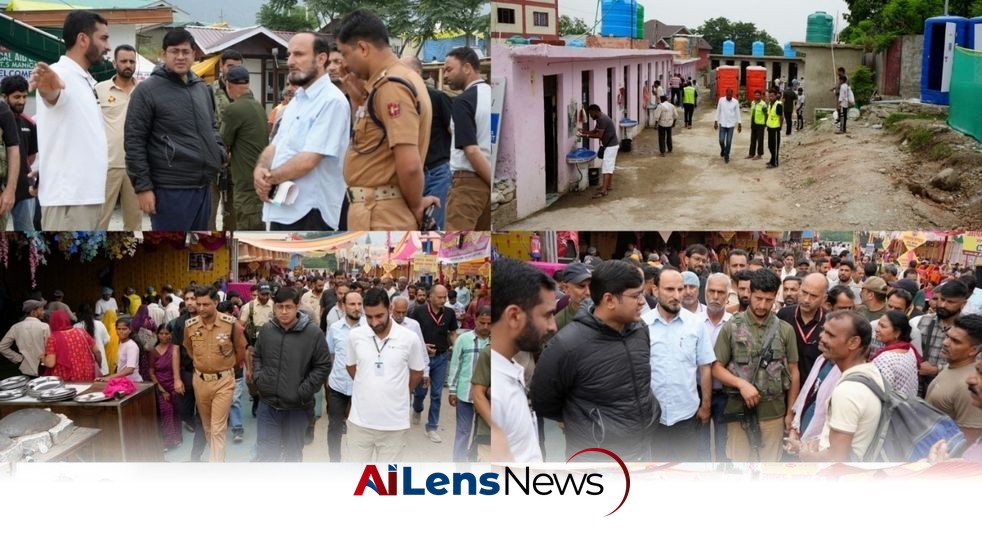


Deputy Commissioner Jatin Kishore inspects Yatra Transit Camp, ensuring top-notch facilities and healthcare for Shri Amarnath Ji Yatris.
New Delhi, India Jul 12, 2026 ALN: Deputy Commissioner (DC) Ganderbal, Jatin Kishore on Saturday visited the Yatra Transit Camp at Manigam to review the arrangements and facilities put in place for the smooth stay and welfare of Shri Amarnath Ji Yatris.
The Amarnath Yatra is an annual pilgrimage that attracts thousands of devotees from across India and around the world to the Amarnath Cave, located in the Indian state of Jammu and Kashmir. This pilgrimage is significant for Hindus as it is believed that the ice Shiva Linga formed in the cave represents Lord Shiva. The Yatra typically takes place during the summer months, coinciding with the Hindu month of Shravan, and spans several weeks. The influx of pilgrims requires extensive logistical arrangements, including transit camps, medical facilities, sanitation, and security measures.
During the visit, the DC undertook a comprehensive inspection of the camp and reviewed the functioning of various facilities, including medical services. The health and safety of pilgrims are paramount, given the challenging terrain and altitude of the region. The DC's inspection included checking the availability of essential medical supplies and the readiness of healthcare professionals to respond to any emergencies. This is particularly important as the pilgrimage can pose health risks, including altitude sickness, dehydration, and other ailments due to the physical exertion involved in the trek to the cave.
He interacted with patients and healthcare staff to assess the quality of services and directed the medical teams to remain fully prepared to provide prompt and efficient healthcare to every pilgrim. The presence of trained medical personnel and adequate facilities is crucial, especially considering that many pilgrims may be elderly or have pre-existing health conditions that could be exacerbated by the demands of the Yatra.
The DC also inspected sanitation and cleanliness arrangements across the transit camp and instructed the concerned departments to maintain the highest standards of hygiene to ensure a clean, healthy, and comfortable environment for the pilgrims. The management of waste, provision of clean drinking water, and maintenance of sanitary facilities are critical components in preventing health issues and ensuring a positive experience for the Yatris.
As part of the visit, the DC interacted with officers deployed at the camp, inspected various langars (community kitchens), and met with the Yatris to receive firsthand feedback about the facilities and services being provided. Langars play an essential role in the pilgrimage, as they offer free meals to the pilgrims, reflecting the spirit of community and service. The quality and quantity of food provided can significantly impact the overall experience of the Yatris, making it essential for the authorities to ensure that these services meet the needs of the large number of pilgrims.
He reiterated that the comfort, safety, and well-being of every pilgrim must remain the top priority of all departments. The DC's emphasis on a pilgrim-centric approach underscores the importance of prioritizing the needs and experiences of the Yatris, which can enhance the overall success of the Yatra.
Emphasizing a pilgrim-centric approach, the DC directed all officers and frontline staff to extend every possible assistance to the Yatris with courtesy, compassion, and promptness, ensuring that no pilgrim faces any inconvenience during their stay at the transit camp. This includes addressing any grievances or concerns raised by the pilgrims, which can range from accommodation issues to safety concerns, and ensuring that these are resolved swiftly.
The DC also stressed close coordination among all line departments to ensure seamless delivery of essential services and immediate redressal of any issues arising at the camp. This collaborative approach is vital for the effective management of the Yatra, as it involves multiple stakeholders, including local government bodies, law enforcement, healthcare providers, and community organizations.
Among others, the visit was attended by Assistant Commissioner Revenue Ganderbal, who is also the Nodal Officer for Yatra Transit Camp Manigam, Police in-charge Transit Camp Manigam, officers from R&B (Roads and Buildings), KPDCL (Kashmir Power Distribution Corporation Limited), Jal Shakti (Water Resources), Municipal Council Ganderbal, Information Department, and other concerned officers. The involvement of various departments highlights the comprehensive efforts being made to ensure that the Yatra is conducted smoothly and safely, reflecting the collaborative spirit necessary for managing such a large-scale event.
The Shri Amarnath Ji Yatra is not only a religious pilgrimage but also a significant event for local economies in the region. The influx of pilgrims brings business opportunities for local vendors, hoteliers, and service providers. However, it also places demands on local infrastructure and resources, necessitating careful planning and management by authorities to balance the needs of pilgrims with those of the local population. The economic impact of the Yatra can be substantial, with many families relying on the influx of visitors for their livelihoods during the season.
In addition to economic benefits, the Yatra also fosters a sense of community and cultural exchange among the diverse groups of pilgrims. Many participants come from different backgrounds, and their shared experiences during the pilgrimage can lead to greater understanding and unity among various communities. This cultural aspect of the Yatra is often highlighted by communal prayers, traditional music, and the sharing of stories that resonate with the spiritual significance of the journey.
Moreover, the pilgrimage has historical roots that date back centuries, making it a vital part of the cultural heritage of the region. The Amarnath Cave itself is steeped in lore and is an important site for many Hindu traditions. The preservation of this heritage is essential not only for the pilgrims but also for the local communities who take pride in their cultural identity.
In conclusion, the visit by DC Jatin Kishore to the Yatra Transit Camp at Manigam serves as a reminder of the importance of effective governance and community engagement in facilitating one of the most revered pilgrimages in Hindu culture. The efforts to ensure the highest standards of facilities and services for the Yatris reflect a commitment to maintaining the sanctity and safety of the pilgrimage, which is crucial for fostering goodwill and trust among the pilgrims who undertake this spiritual journey. The collaborative efforts of various departments, the commitment to health and safety, and the emphasis on a positive experience for the Yatris all contribute to the successful execution of the Amarnath Yatra, making it a highlight of the religious calendar in India.
To learn more about the latest developments in Local & Regional, stay updated with our exclusive reports and analyses on AiLensNews.

