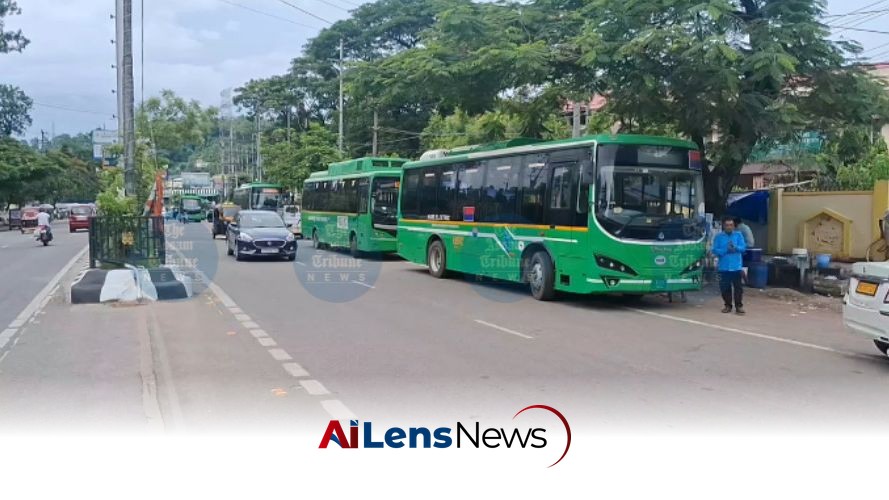


The Assam government has reported the operation of 371 electric buses, with a total expenditure of Rs 360.4 crore on procurement and charging infrastructure.
New Delhi, India Jul 11, 2026 ALN: The Assam government has informed the Assembly that 371 electric buses are currently operating under the Assam State Transport Corporation (ASTC), with a total expenditure of Rs 360.40 crore incurred on procuring the buses and setting up charging stations. This initiative is part of a broader strategy to enhance public transportation in the state while promoting environmentally friendly alternatives to conventional fossil-fuel-powered vehicles.
The move towards electric buses aligns with national goals to reduce carbon emissions and combat climate change. The Indian government has been advocating for the adoption of electric vehicles (EVs) as part of its commitment to the Paris Agreement and its own National Electric Mobility Mission Plan. The emphasis on electric public transport is seen as a critical step in reducing urban air pollution, which has become a significant concern in many Indian cities, including Guwahati.
Replying to an unstarred question by MLA Dr. Asif Mohammad Nazar, Transport Minister Charan Boro stated that the State received 100 new electric buses during 2025-26 under the Centre’s PM e-Bus Sewa scheme. This scheme, launched by the central government, aims to promote the use of electric buses in urban areas, thereby improving public transport infrastructure and reducing the reliance on diesel and petrol vehicles.
The Minister highlighted that ASTC has been gradually expanding electric bus services across the State to provide reliable and environment-friendly public transport. Charging stations have already been set up in Guwahati, Jagiroad, Mirza, Baihata Chariali, Nalbari, Mangaldai, Tezpur, and Biswanath Chariali. The establishment of these charging stations is crucial for the operational efficiency of electric buses, ensuring that they can be charged conveniently and quickly, thus minimizing downtime and enhancing service reliability.
Electric bus services have also been extended beyond Guwahati to Kamrup, Morigaon, Nalbari, Darrang, Tamulpur, Udalguri, Sonitpur, and Biswanath districts. This expansion is indicative of the government's commitment to making public transport accessible to a larger population while also addressing regional connectivity issues. By extending services to these districts, the Assam government aims to not only improve urban mobility but also enhance the quality of life for residents in rural and semi-urban areas.
According to the Minister, the 371 electric buses in the ASTC fleet include 161 buses manufactured by Tata Motors, 110 by Olectra Greentech, and 100 by JBM. The selection of these manufacturers reflects a strategic partnership with established players in the electric vehicle market, ensuring that the buses meet the necessary quality and performance standards. The collaboration with these companies also opens avenues for technology transfer and skill development within the state, which could further bolster the local economy.
The House was informed that the buses were procured from Tata Motors Ltd, Olectra Greentech Ltd, and JBM Ecolife Mobility Pvt Ltd. The government stated that tenders were invited before awarding the contracts. This procurement process is vital for maintaining transparency and accountability in government spending, ensuring that public funds are utilized effectively. The competitive bidding process also helps in securing better prices and services from the manufacturers.
The Minister mentioned that 15 Tata electric buses were procured under the Centre’s FAME-I scheme. The Faster Adoption and Manufacturing of (Hybrid &) Electric Vehicles (FAME) scheme is part of the Indian government's initiative to promote electric mobility. It provides financial incentives for the purchase of electric vehicles and the establishment of necessary infrastructure, thereby encouraging consumers and businesses to transition towards greener alternatives.
He added that ASTC also received 200 electric buses through Guwahati Smart City Limited. This initiative is part of the larger Smart Cities Mission, which aims to promote sustainable and inclusive urban development. The integration of electric buses into the public transport system is a key component of making cities smarter and more efficient.
Separate tenders were floated for 100 low-range and 100 high-range buses. After the initial tender received a poor response, fresh bids were invited, following which contracts were awarded to Tata Motors and Olectra Greentech. This approach demonstrates the government's adaptability and responsiveness to market conditions, ensuring that the project continues to move forward despite initial challenges.
He further informed the House that the 100 buses received under the PM e-Bus Sewa scheme during 2025-26 were allotted by the Union Ministry of Housing and Urban Affairs, which independently conducted the tendering process. The decentralization of the procurement process allows for greater efficiency and specialization, as the Union Ministry can leverage its expertise in urban transportation to ensure the successful execution of the project.
The Minister clarified that the cost of repair, charging, cleaning, and maintenance of Tata and Olectra buses is borne by the respective operating agencies and original equipment manufacturers (OEMs). Similarly, all operational and maintenance expenses for JBM buses are borne by the company itself. As a result, ASTC does not incur any expenditure on these 300 buses. This arrangement significantly reduces the financial burden on the state government and allows for better allocation of resources to other pressing transportation needs.
For the 71 buses operated by ASTC, the corporation bears the operational expenses. The monthly expenditure includes around Rs 23.38 lakh on cleaning, Rs 26.31 lakh on repair and maintenance, and Rs 2.12 crore towards electricity charges for charging the buses. These costs are indicative of the ongoing financial commitments necessary to maintain a fleet of electric buses, which, while more environmentally friendly, also require significant investment in infrastructure and operational support.
The Minister also placed before the Assembly details of the monthly expenditure incurred for operating the electric bus fleet under ASTC. This transparency in financial reporting is essential for public accountability and allows stakeholders to assess the effectiveness of the electric bus initiative. As Assam continues to invest in sustainable transport solutions, the implications of these investments could extend beyond environmental benefits, potentially leading to job creation in maintenance and operations, increased public transport ridership, and improved urban air quality.
Overall, the deployment of electric buses in Assam represents a significant step forward in the state's transport policy, reflecting a commitment to sustainability, innovation, and improved public services. As the program progresses, continuous monitoring and evaluation will be necessary to ensure its success and to adapt to any challenges that may arise in the future.
To learn more about the latest developments in Local & Regional, stay updated with our exclusive reports and analyses on AiLensNews.

