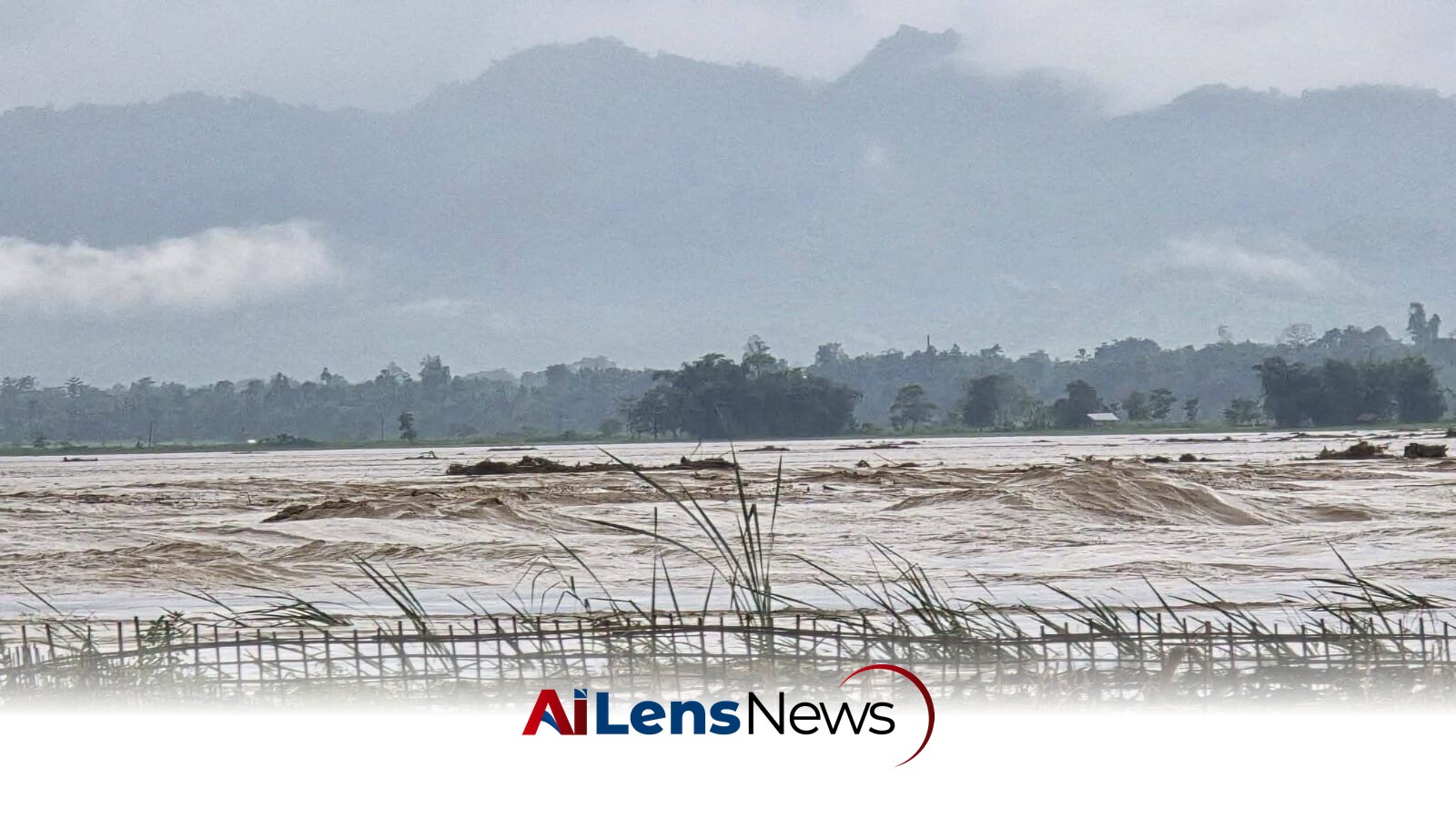


Since 2016, Assam has witnessed 836 flood-related deaths and extensive agricultural damage, with 57.57 lakh bighas affected by natural disasters.
Itanagar, India Jul 11, 2026 ALN: Assam has reported a total of 836 fatalities due to floods since 2016, alongside significant agricultural losses. Natural disasters have devastated nearly 57.57 lakh bighas of agricultural land across the state, highlighting the severe impact of climate-related events on the region's agrarian economy. This alarming statistic illustrates not only the immediate dangers posed by flooding but also the long-term repercussions on food security and economic stability in a state where agriculture is a primary source of livelihood for a large portion of the population.
In response to an unstarred question posed by MLA Rekibuddin Ahmed during the Assam legislative assembly session on Friday, Revenue and Disaster Management Minister Keshab Mahanta provided a detailed account of the impact of these disasters. He noted that, in addition to the flood deaths, 93 individuals lost their lives in landslides, 175 in storms, and 372 due to lightning strikes. These figures emphasize the multifaceted nature of natural disasters in Assam, which are not limited to flooding but also include various other hazardous events that threaten the safety and livelihood of the local population. The varied types of disasters highlight the need for a comprehensive disaster management strategy that can address different risks effectively.
The Minister highlighted that reports from District Commissioners indicate that natural disasters, particularly floods, have severely affected agricultural land, damaging approximately 57,56,700 bighas since 2016. This staggering loss underscores the vulnerability of Assam's agricultural sector, which is heavily dependent on the monsoon rains that can either nourish crops or lead to devastating floods. The dual nature of monsoon rains presents a challenge for farmers, who must prepare for both the potential for crop growth and the risk of loss due to flooding. Furthermore, he revealed that river erosion has resulted in the loss of nearly 2,31,100 bighas of land during the same timeframe. Riverbank erosion, exacerbated by climate change, poses a significant threat to many communities, leading to displacement and loss of livelihoods. This erosion not only affects agricultural productivity but also alters the landscape, affecting infrastructure and community stability.
In terms of financial assistance, Mahanta stated that the Union government has allocated Rs 3,793.60 crore under the State Disaster Response Fund (SDRF) and Rs 948.40 crore under the State Disaster Mitigation Fund (SDMF), following the recommendations of the 15th Finance Commission. These funds are crucial for disaster management and recovery efforts, enabling the state to respond more effectively to the recurring challenges posed by floods and other natural disasters. The allocation of these funds reflects an acknowledgment of the ongoing vulnerability of Assam to natural disasters and the necessity for ongoing investment in disaster preparedness and response infrastructure.
Additionally, Assam received Rs 1,207.27 crore from the National Disaster Response Fund (NDRF-PDNA) for the floods in 2022, along with Rs 692.05 crore under the National Disaster Mitigation Fund (NDMF) for the restoration of water bodies, and Rs 200 crore for urban flood mitigation efforts in Guwahati. The allocation of these funds reflects a recognition of the ongoing needs in disaster-prone areas and the necessity for infrastructure improvements to mitigate future risks. Urban areas like Guwahati, which face unique challenges due to rapid urbanization, require targeted interventions to manage flooding effectively. The combination of urban expansion and inadequate drainage systems can exacerbate flooding, necessitating a more integrated approach to urban planning and disaster risk reduction.
Mahanta further informed the Assembly that the Centre has sanctioned Rs 344.22 crore in response to flood memorandums submitted by the Assam government since 2016. This financial support is part of a broader strategy to enhance disaster resilience in the state, but the effectiveness of these measures is often contingent upon timely implementation and the capacity of local authorities to manage resources efficiently. The challenge remains for local governments to translate these funds into effective action plans that can mitigate disaster impacts and enhance community resilience.
On the topic of eviction drives, the Minister noted that anti-encroachment operations have been conducted across 24 districts since 2016. The issue of land encroachment is particularly contentious in Assam, where demographic changes and land scarcity have led to disputes over land ownership and usage. He clarified that the removal of encroachments on government land is carried out under the provisions of the Assam Land Policy and land revenue laws, which do not offer compensation or rehabilitation for individuals evicted from illegally occupied government land. This approach has raised concerns among human rights advocates, who argue that the lack of compensation can lead to further socio-economic challenges for those displaced. The complexities surrounding land ownership and encroachment in Assam are compounded by historical grievances and socio-political dynamics, necessitating a careful approach to land management and community engagement.
Moreover, the Minister mentioned that Assam currently comprises 29 Tribal Belts and Blocks, excluding those within the Bodoland Territorial Region (BTR). These areas are designated to protect the rights and interests of indigenous communities, yet they face pressures from encroachment and land disputes. District-wise details regarding their total area and encroachments have been submitted in the annexures, and legal action is being taken in phases to address encroachments in these protected areas. The management of tribal lands is a sensitive issue that requires careful balancing of development needs and the rights of indigenous populations. Ensuring that the voices of these communities are heard in land management discussions is crucial for fostering social equity and sustainable development.
The implications of these developments are far-reaching, as Assam grapples with the dual challenges of natural disasters and land management. The state’s economy, heavily reliant on agriculture, faces increasing threats from climate change, necessitating a shift in policy and strategy. Enhanced disaster preparedness and response mechanisms, coupled with sustainable land management practices, are essential for building resilience against future disasters. The ongoing dialogue within the legislative assembly and among stakeholders will be crucial in shaping effective policies that address both the symptoms and root causes of these challenges.
Furthermore, the ongoing challenges of displacement and encroachment highlight the need for comprehensive land reform and social support systems that can address the needs of vulnerable populations. As the government continues to allocate funds for disaster response, it is equally important to invest in long-term solutions that promote sustainable development and protect the livelihoods of those most affected by these issues. The integration of climate adaptation strategies into agricultural practices, urban planning, and disaster management can enhance resilience and ensure that communities are better equipped to handle the impacts of climate change.
In conclusion, while the Assam government has made strides in addressing the immediate impacts of floods and other natural disasters, the broader context of land use, climate change adaptation, and social equity must be prioritized to ensure a more resilient future for the state’s residents. The need for a holistic approach that encompasses environmental sustainability, economic stability, and social justice is critical in navigating the complexities of disaster management and land use in Assam. The lessons learned from recent disasters can inform future policies and practices, creating a framework for resilience that not only addresses the challenges of today but also anticipates the needs of future generations.
To learn more about the latest developments in Science & Environment, stay updated with our exclusive reports and analyses on AiLensNews.

