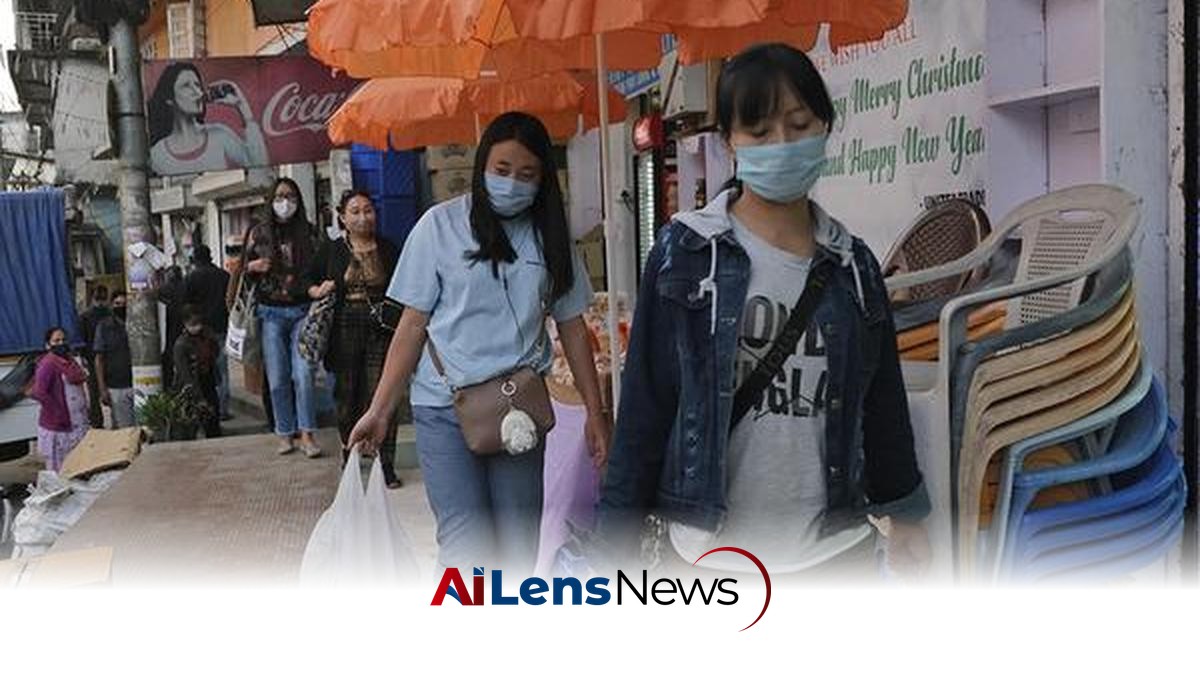


A study reveals that individuals from Northeast India experienced significant racial discrimination during the COVID-19 pandemic, facing harassment and abuse.
Port Blair, India Apr 12, 2021 ALN: A study commissioned by the Indian Council of Social Science Research (ICSSR) has highlighted the ongoing issue of racial discrimination and hate crimes faced by individuals from the Northeast states of India, particularly amid the COVID-19 pandemic. This research has revealed alarming insights into the prejudices that persist against these communities, with the findings suggesting that the physical appearance of individuals from Northeast India often leads to their being mistakenly identified as foreigners, specifically as Chinese nationals.
The study found that a significant 78% of interviewees from the region believe that their physical appearance is the primary reason for the discrimination they encounter. This perception reflects a broader societal issue regarding the stereotypes and biases that exist within Indian society, where individuals from the Northeast are often subjected to derogatory assumptions based on their looks. This is particularly troubling in a country that prides itself on its diversity and multiculturalism.
Amid the COVID-19 outbreak in 2020, the study noted a marked increase in hate crimes and acts of prejudice against people from the Northeast. The pandemic, which originated in Wuhan, China, exacerbated existing biases, leading to a surge in harassment and abuse. Individuals from the Northeast were derogatorily labeled as 'coronavirus' in various incidents, highlighting the dangerous intersection of racism and public health crises.
The unpublished report, which was accessed by The Hindu, was conducted by the Centre for Criminology and Victimology at the National Law University (NLU) in Delhi. The research focused on the prevalence of hate crimes against people from the Northeast across six major metropolitan cities: Mumbai, Pune, Delhi, Chennai, Bengaluru, and Hyderabad. Approximately 1,200 individuals, primarily women from the states of Arunachal Pradesh, Assam, Meghalaya, Manipur, Mizoram, Nagaland, and Tripura, were interviewed for the study, led by Dr. Garima Paul of NLU.
G.S. Bajpai, Chairperson of the Centre, emphasized the pervasive nature of discrimination faced by individuals from the Northeast, stating that many experienced difficulties in securing housing, dining in restaurants, and utilizing public transportation. The study revealed that a significant portion of the respondents reported discrimination when attempting to rent accommodation, which is a fundamental necessity for any individual seeking to establish a stable life in a new city. The challenges faced by these individuals often forced them to seek out eateries and accommodations that were run by members of their own communities, thereby limiting their social interactions and opportunities for integration.
According to the study, the problem of racial discrimination is not confined to rural or less developed areas but is deeply entrenched even in cosmopolitan cities, which are often perceived as more progressive and inclusive. This contradiction raises important questions about the effectiveness of urbanization and education in eradicating deep-seated biases. Prof. Bajpai pointed out that policing alone cannot address the root causes of these issues, suggesting that a more comprehensive approach is necessary to foster understanding and acceptance among diverse communities.
The report also references a 2020 study by the Right and Risks Analysis Group (RRAG), which documented a significant rise in racial discrimination incidents against people from the Northeast during the early stages of the pandemic. Between February and March 25, 2020, there were 22 reported cases of such discrimination or hate crimes, indicating a troubling trend that warranted further investigation.
In terms of specific data, the study noted that the highest number of incidents were reported in Mumbai, accounting for 44.7% of the total cases. The prevalence of offensive and abusive language was also alarming, with Mumbai recording the highest percentage of such incidents at 74%, followed closely by Chennai at 72%, Pune at 67.3%, Delhi at 64%, Hyderabad at 48.7%, and Bengaluru at 43.3%. Over 60% of interviewees expressed that their academic and professional pursuits were significantly hindered due to these negative experiences, underscoring the far-reaching implications of racial discrimination on personal and professional development.
The study further revealed that public attitudes and insensitivity were the most common reasons behind hate crime incidents, accounting for 44.5% of the responses. Alarmingly, the incidence of non-reporting of such incidents was as high as 32.3%, indicating a lack of trust in the system or fear of retaliation. Additionally, 34% of respondents reported facing refusal from police to file First Information Reports (FIRs) when they sought to report hate crimes, highlighting systemic issues within law enforcement that may discourage victims from seeking justice. The fear of hate crimes was particularly acute in Chennai, where 74% of respondents reported feeling unsafe.
In light of these findings, the report referenced the recommendations made by the M.P. Bezbaruah Committee in 2014, which had suggested amendments to the Indian Penal Code (IPC) to address hate crimes more effectively. The committee recommended the creation of new offenses under Sections 153C and 509A specifically targeting comments, gestures, and actions intended to insult members of particular racial groups. These recommendations included making such offenses gender-neutral, cognizable, and non-bailable, with penalties extending up to three to five years of imprisonment, accompanied by fines. However, the study concluded that despite these recommendations and the Supreme Court's directives in the case of Karma Dorji & Others vs Union of India & Others (2014) for the prevention and monitoring of racial hatred and violence, little progress has been made in implementing these crucial changes.
The issue of racial discrimination against individuals from the Northeast is not a new phenomenon. In December 2020, a report by the Nagaland government highlighted that residents from the state faced significant racism and harassment while stranded in other parts of the country due to the nationwide lockdown imposed in response to the pandemic. This historical context underscores the urgent need for systemic change and societal awareness to combat the deeply rooted prejudices that continue to affect the lives of many individuals from the Northeast.
In conclusion, the findings of this study serve as a stark reminder of the pervasive nature of racial discrimination in India, particularly against individuals from the Northeast. It calls for a collective effort from the government, civil society, and individuals to address these biases and create a more inclusive society where diversity is celebrated rather than stigmatized. The implications of such discrimination extend beyond personal experiences, affecting social cohesion, economic opportunities, and the overall fabric of Indian society. As the country continues to grapple with its identity and the challenges of unity in diversity, it is imperative to confront and dismantle the structures that perpetuate racial hatred and discrimination.
To learn more about the latest developments in Society & Social Issues, stay updated with our exclusive reports and analyses on AiLensNews.

