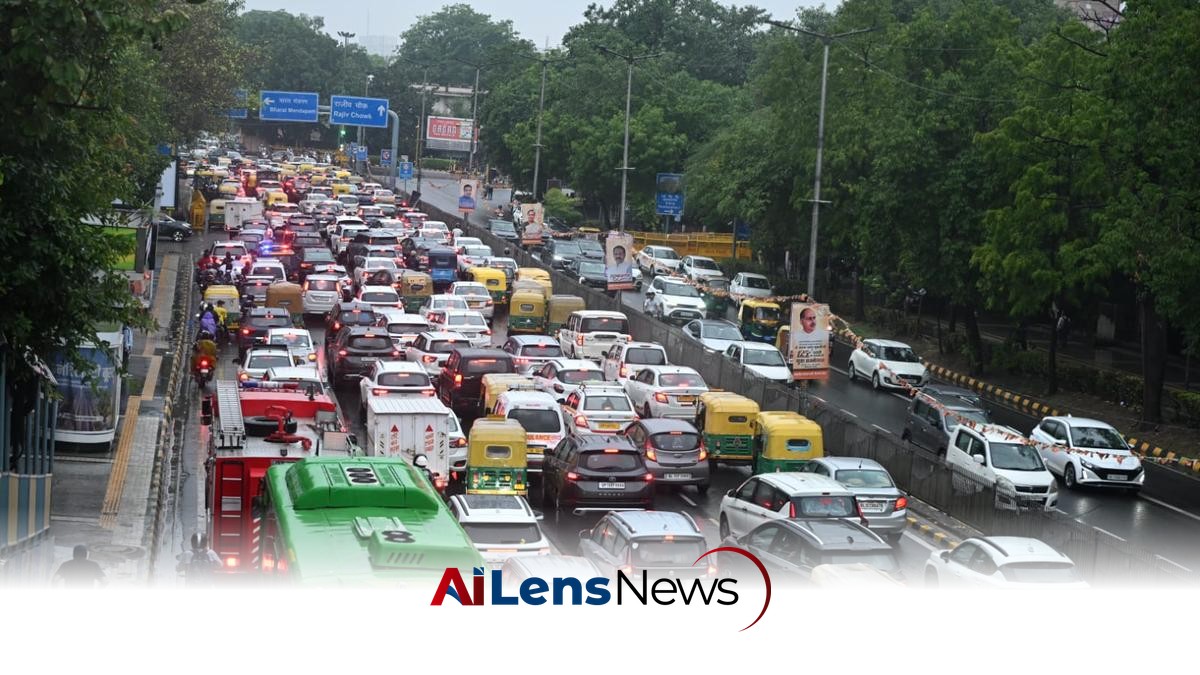


Heavy rains continue to affect various regions in India, with Wayanad on red alert following a deadly mudslide, while Mumbai experiences temporary respite.
New Delhi, India Jul 7, 2026 ALN: The monsoon season in India, which typically spans from June to September, is a vital period for the country’s agriculture and water supply. It plays a crucial role in replenishing reservoirs, sustaining crops, and supporting the livelihoods of millions of farmers. However, the 2026 monsoon season has been particularly tumultuous, characterized by extreme weather events that have disproportionately affected the southern and western regions of the country. The India Meteorological Department (IMD) has been vigilant in monitoring these developments, issuing various alerts to keep the public and local authorities informed about potential hazards.
As of July 7, 2026, the situation has escalated dramatically in several states, with Wayanad in Kerala emerging as one of the most severely impacted areas. The district has a history of vulnerability to landslides, particularly during the monsoon season, due to its hilly terrain and heavy rainfall patterns. On this day, a tragic incident unfolded when a massive mudslide struck Kalladi near Meppadi, leading to at least one confirmed death, seven individuals reported missing, and seven others hospitalized. This catastrophic mudslide was triggered by the incessant and heavy rainfall that has been characteristic of this year's monsoon season, particularly in the region's vulnerable hilly terrains. The mudslide occurred near the entrance of the under-construction Anakkampoyil–Kalladi–Meppadi tunnel road project, which is intended to enhance connectivity between Kozhikode and Wayanad, further complicating rescue and recovery efforts.
In response to the severe weather conditions, the IMD issued a red alert for Wayanad, signaling the likelihood of very heavy rainfall that could lead to further landslides and flooding. A red alert is a critical warning that indicates conditions are ripe for dangerous weather phenomena that can have devastating effects on communities. Areas such as Mananthavady and Vythiri have recorded significant rainfall, exacerbating the risk of geological instability in the region. The local authorities, including fire and rescue services, have mobilized to locate the missing individuals and provide immediate aid to those affected by the mudslide.
Meanwhile, in Mumbai, residents experienced a brief respite from the torrential downpours that had previously disrupted daily life. The skies were overcast, and strong winds were present, but no significant rainfall was recorded in the morning of July 7, 2026. This temporary break was welcomed by many, as the city had faced two consecutive days of heavy rain that led to waterlogging, traffic disruptions, and other urban challenges. However, the IMD has issued an orange alert for the metropolis, forecasting potential heavy rain and gusty winds, indicating that the respite may be short-lived. The orange alert serves as a warning for residents to stay cautious and prepared for possible adverse weather conditions in the coming days.
In Palghar district of Maharashtra, the situation has been dire, with heavy rainfall leading to flood-like conditions and significant loss of life. Since July 1, 2026, at least ten individuals have died due to the adverse weather, with three casualties reported in the last 24 hours alone. The local administration has taken proactive measures, evacuating 1,261 residents and relocating them to relief centers to ensure their safety. The ongoing weather conditions have prompted local officials to assess the situation continuously and prepare for further evacuations if necessary. The challenges faced by the residents of Palghar highlight the urgent need for effective disaster management and preparedness in the face of such extreme weather events.
The widespread impact of the monsoon this year has not been limited to Kerala and Maharashtra. Other states have also faced significant challenges, including Himachal Pradesh, where heavy rains have caused landslides and flash floods, disrupting transportation services and leading to loss of life. In Jammu and Kashmir, similar weather patterns have resulted in flooding that has impacted communities and infrastructure, further complicating relief efforts. Additionally, towns in Odisha have experienced inundation, forcing local authorities to implement emergency measures to assist affected populations. The interconnectedness of these events underscores the broader implications of the monsoon season on regional stability and safety.
The implications of this year's monsoon are significant, not only for the immediate safety and well-being of residents in affected areas but also for the broader socio-economic landscape of the region. The agricultural sector, which relies heavily on the monsoon rains, may face challenges due to the erratic weather patterns. Farmers are particularly vulnerable to the impacts of both excessive rainfall and drought, making it crucial for government agencies to monitor conditions and provide support where necessary. The loss of crops due to flooding or landslides can have long-term effects on food security and the livelihoods of farmers, further compounding the socio-economic challenges faced by rural communities.
As the monsoon progresses, the IMD will continue to issue alerts and updates, and local governments are urged to remain vigilant and prepared for rapid responses to emergencies. The need for robust disaster management strategies is underscored by the increasing frequency and intensity of weather-related disasters in India, which have been linked to climate change and environmental degradation. Communities are encouraged to stay informed about weather conditions and heed warnings from local authorities to minimize risks associated with the monsoon rains. The government’s role in facilitating timely evacuations, providing relief materials, and ensuring the safety of vulnerable populations is critical in mitigating the impacts of such disasters.
In conclusion, the monsoon season of 2026 is proving to be particularly challenging, with multiple states experiencing severe weather events that have resulted in loss of life and significant disruptions. As rescue operations continue and emergency measures are implemented, the focus will remain on ensuring the safety of residents and mitigating the impacts of the ongoing monsoon rains. The situation remains fluid, and updates will be provided as new information becomes available. The resilience of communities and the effectiveness of governmental responses will be tested in the coming days as they navigate the challenges posed by this year's unprecedented monsoon.
Read live updates below:
To learn more about the latest developments in Science & Environment, stay updated with our exclusive reports and analyses on AiLensNews.

