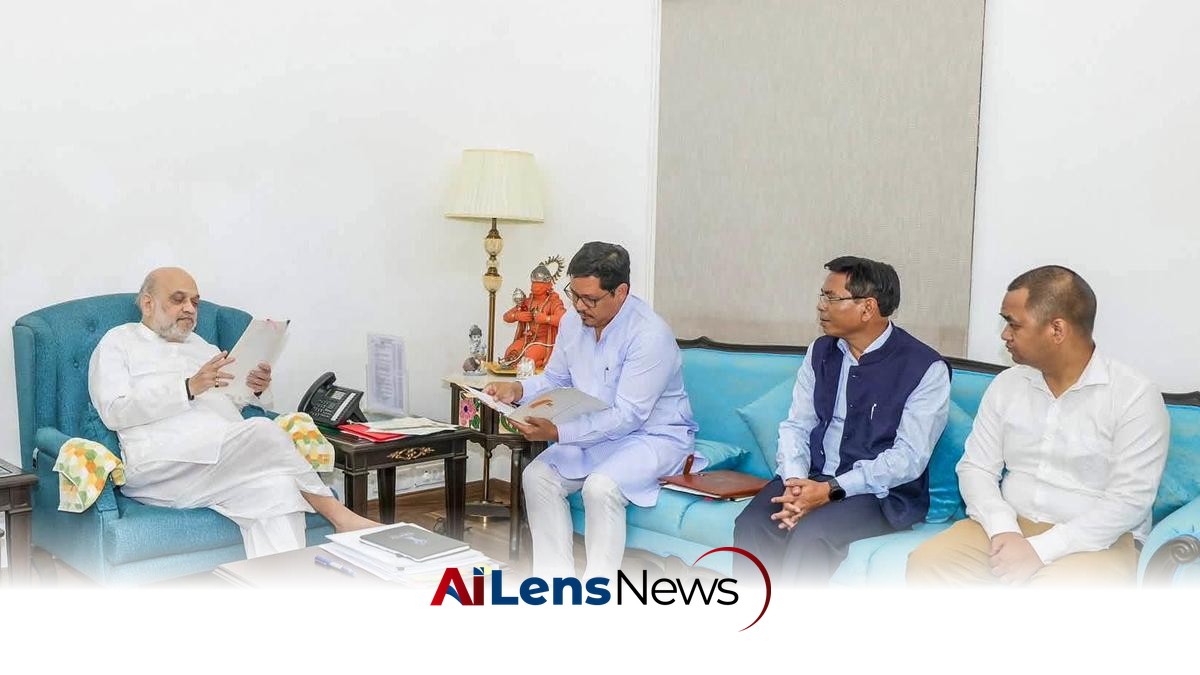


Meghalaya CM Conrad K. Sangma urges Amit Shah to reconsider FCRA amendments, warning of negative impacts on Christian institutions and public services.
New Delhi, India Jul 7, 2026 ALN: Guwahati
Meghalaya Chief Minister Conrad K. Sangma has raised significant concerns regarding the proposed amendments to the Foreign Contribution (Regulation) Act (FCRA), emphasizing that these changes could have detrimental effects on the Christian institutions that play a vital role in public service within the state. The meeting took place in New Delhi on July 5, 2026, where the Chief Minister led a delegation of Christian leaders from Meghalaya to engage with Union Home Minister Amit Shah.
Meghalaya is a unique state in India, with a population that is predominantly Christian, comprising nearly 75% of its residents. This demographic reality has shaped the cultural, social, and political landscape of the region. Christian institutions in Meghalaya are not only places of worship but also serve as critical providers of education, healthcare, and various community services. The proposed amendments to the FCRA have raised alarms among these institutions, as they fear that the changes could curtail their ability to operate effectively.
One of the focal points of the delegation's concerns was Section 16A(5) of the proposed amendment, which would grant a designated authority the power to take over or dispose of assets—such as buildings, schools, hospitals, and land—that were established with foreign contributions if an organization’s registration is canceled or not renewed. This provision has been interpreted by many as a potential threat to the sustainability of numerous institutions that rely on foreign funding to maintain their operations and provide essential services to the community.
During the meeting, Chief Minister Sangma articulated how these proposed changes could disrupt the functioning of religious, educational, and charitable institutions that have historically complemented government efforts in various sectors, including education, healthcare, and community development. He stressed the importance of considering Meghalaya’s unique circumstances in any regulatory changes, advocating for a balanced and consultative approach that acknowledges the contributions of these organizations while addressing legitimate regulatory concerns.
“Any changes to the law should not disrupt the functioning of genuine institutions engaged in public service,” Mr. Sangma stated.
This statement underscores the Chief Minister's commitment to ensuring that the voices of Meghalaya's Christian community are heard in the legislative process. The delegation included prominent representatives from various Christian organizations, including the Presbyterian Church of India, the North East India Christian Council, the Catholic Archdiocese of Shillong, and the Garo Baptist Convention. These leaders collectively expressed their apprehensions about the potential consequences of the FCRA amendments on the welfare of vulnerable populations in the state.
The Church bodies highlighted that the potential takeover of assets built with foreign funds could severely impact individuals in remote rural areas of Meghalaya, where government infrastructure is often limited or non-existent. Educational institutions run by these organizations serve as lifelines for students, while hospitals and clinics provide essential healthcare services to communities that may otherwise lack access to such facilities. The fear is that the proposed amendments could lead to a withdrawal of foreign funding, thereby jeopardizing the operational viability of these institutions and the services they provide.
In response to these concerns, the Meghalaya-based Voice of the People Party has previously written to Prime Minister Narendra Modi, urging the government to safeguard NGO assets and ensure the uninterrupted delivery of welfare services. The party's stance reflects a broader sentiment within the state regarding the need for protective measures that would allow these institutions to continue their important work without fear of regulatory repercussions.
Additionally, Alexander Laloo Hek, a senior legislator from the Bharatiya Janata Party (BJP) in Meghalaya, has echoed the call for wider consultations with stakeholders before any amendments to the FCRA are finalized. His position highlights the necessity for a thorough examination of the implications these changes could have on the state's socio-economic fabric.
It is noteworthy that Chief Minister Sangma leads the People's Party (NPP), which is a constituent of the BJP-led Democratic Alliance in Meghalaya. The BJP serves as a minor partner in the NPP-headed government, which adds another layer of complexity to the discussions surrounding the FCRA amendments. The dynamics between these political entities may influence how the concerns raised by the Chief Minister and the Christian leaders are addressed at the level.
The FCRA was originally enacted in 1976 to regulate the acceptance and utilization of foreign contributions by organizations in India. The act was designed to prevent foreign influence in domestic affairs and ensure that foreign donations are used for purposes that align with interests. Over the years, the act has undergone several amendments, often sparking debates about its implications for civil society and the operation of non-governmental organizations (NGOs).
In recent years, the FCRA has come under scrutiny for being perceived as restrictive, particularly in its impact on organizations that rely on foreign funding to support their activities. Critics argue that the stringent regulations can hinder the ability of NGOs to operate effectively, especially in sectors like education and healthcare, where foreign contributions can be crucial for sustaining operations.
The proposed amendments to the FCRA come at a time when the role of civil society organizations is increasingly recognized as vital to addressing various social challenges in India. As the country grapples with issues ranging from poverty alleviation to education reform and healthcare access, the contributions of NGOs become even more significant. Therefore, any changes to the regulatory framework governing these organizations must be approached with caution and a deep understanding of the potential consequences for the communities they serve.
As the discussions around the FCRA amendments continue, it is essential for the government to engage in meaningful dialogue with affected stakeholders, including religious and community organizations. By doing so, the government can work towards a regulatory environment that not only addresses concerns about foreign contributions but also supports the vital work of institutions that contribute to the welfare of society.
The outcome of these discussions will have far-reaching implications for Meghalaya and similar states where religious institutions play a crucial role in public service. The need for a balanced approach that safeguards the interests of both the government and the organizations serving the community is paramount in ensuring that essential services continue to reach those in need.
To learn more about the latest developments in Politics, stay updated with our exclusive reports and analyses on AiLensNews.

