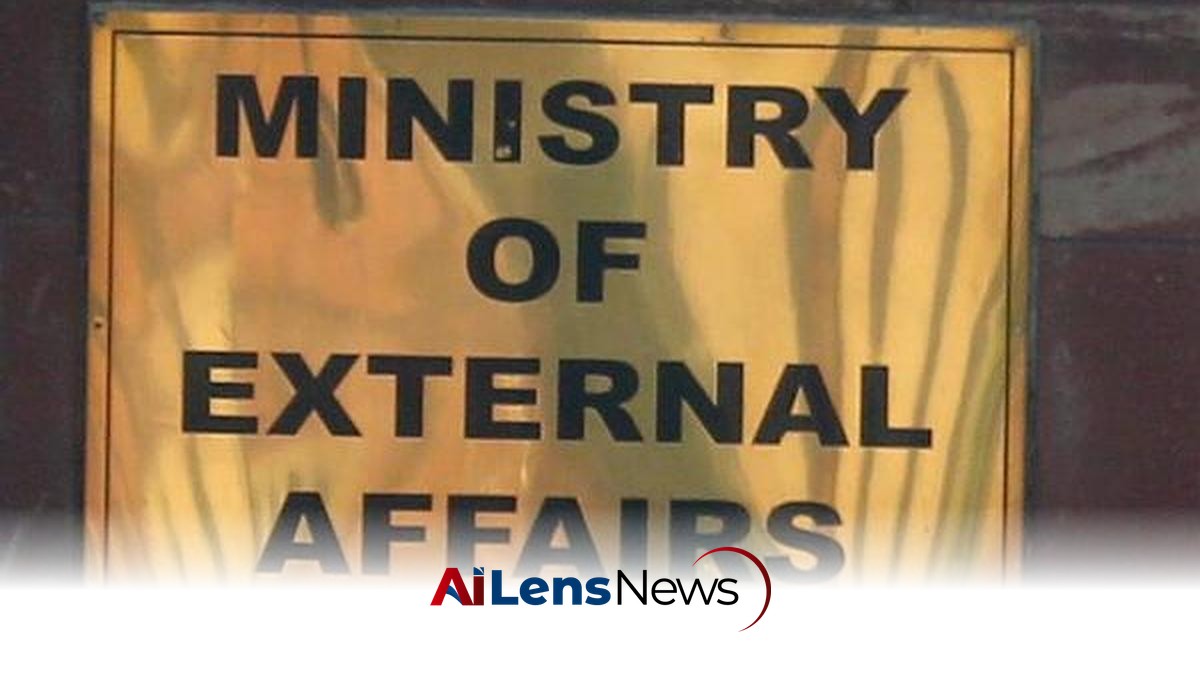


The Ministry of External Affairs warns against Instagram accounts falsely claiming to offer foreign policy advice linked to the ministry.
New Delhi, India Jul 6, 2026 ALN: The Ministry of External Affairs (MEA) issued a public advisory on July 5, 2026, cautioning individuals against making payments to certain social media handles that present themselves as experts in "foreign policy" and "public policy." These accounts have been reported on Instagram, soliciting money from followers under false pretenses. The rise of social media has created a landscape where misinformation can spread rapidly, and the MEA's announcement seeks to address this growing concern.
In recent years, social media platforms like Instagram have become popular venues for individuals to share their opinions and insights on a variety of topics, including politics and inter relations. However, this accessibility has also led to the proliferation of fraudulent accounts that exploit the credibility associated with official institutions. The MEA's advisory aims to protect the public from potential scams that could lead to financial loss and misinformation.
Official sources indicate that a significant number of Instagram handles are claiming to operate within the so-called "public policy domain," with many of these claims being labeled as "fraudulent." The MEA's announcement aims to curb the spread of misinformation and protect the public from potential scams. It is important to note that the MEA does not endorse any unofficial accounts or individuals claiming to provide advice or guidance on matters related to foreign policy.
In a social media announcement, the MEA stated, "It has come to the notice of the ministry that certain individuals on social media platforms are making posts suggesting that they are advising MEA on policy-related matters, including trade, migration, and other issues. These handles are also offering paid advice or sessions on how to work with the MEA." This statement highlights the seriousness of the issue and the need for vigilance among social media users.
An official familiar with the situation noted that the advisory was prompted by a trend where individuals were photographed at public events alongside External Affairs Minister S. Jaishankar or senior officials and foreign ambassadors. These individuals then used these photographs to garner "likes" and solicit payments by falsely claiming they could facilitate work with the MEA. This tactic not only misleads the public but also undermines the integrity of the ministry and its officials.
“These individuals have no connection to the Ministry, and we urge everyone to be cautious of such fraudulent posts on social media platforms,” the MEA emphasized in its announcement. The ministry's statement serves as a reminder that not all information shared on social media is accurate, and users should exercise caution when engaging with accounts that make grand claims, especially those that involve financial transactions.
Officials investigating the rise of Instagram handles related to foreign policy and geopolitics stated that the clarification was necessary after observing that some individuals were profiting by falsely claiming they could assist with MEA-related matters. This situation raises important questions about the responsibility of social media platforms in monitoring fraudulent activities and protecting users from scams.
One official drew parallels to previous cyber scam centers in Myanmar, which attracted government attention after targeting ordinary citizens. Similarly, certain social media accounts have gained notoriety for requesting payments from followers regarding diplomacy or MEA-related issues, prompting the need for this warning. The global nature of social media means that these scams can transcend borders, affecting individuals across various countries.
While the announcement did not specify any particular social media handle, it confirmed that the individuals engaged in financial activities under the guise of the MEA have been identified. This indicates that the MEA is actively monitoring these fraudulent accounts and taking steps to address the situation. The ministry has urged anyone who encounters such accounts to report them to the appropriate authorities.
The implications of this advisory extend beyond just the immediate financial risks associated with these scams. Misinformation can have far-reaching consequences, influencing public perception of government policies and inter relations. When individuals trust false information, it can lead to a breakdown of trust in legitimate institutions and hinder effective governance.
Moreover, the rise of fraudulent accounts poses a significant challenge for governments and organizations worldwide. As social media continues to evolve, the need for robust measures to combat misinformation and protect the public from scams becomes increasingly urgent. This highlights the importance of digital literacy and the need for individuals to critically evaluate the sources of information they encounter online.
In response to this growing issue, the MEA and other government agencies may need to consider implementing educational campaigns aimed at informing the public about the dangers of engaging with fraudulent accounts. Such initiatives could help raise awareness and empower individuals to make informed decisions when navigating the complex landscape of social media.
In conclusion, the MEA's advisory serves as a critical reminder of the importance of vigilance in the digital age. As social media continues to play a central role in communication and information dissemination, the public must remain cautious and discerning. By recognizing the signs of fraudulent activity and reporting suspicious accounts, individuals can help protect themselves and contribute to a safer online environment.
The MEA's efforts to address this issue reflect a broader recognition of the challenges posed by misinformation and fraud in the digital landscape. As governments and organizations work to combat these threats, collaboration between stakeholders—including social media platforms, law enforcement, and the public—will be essential in fostering a more secure and trustworthy online space.
To learn more about the latest developments in Crime & Law, stay updated with our exclusive reports and analyses on AiLensNews.

