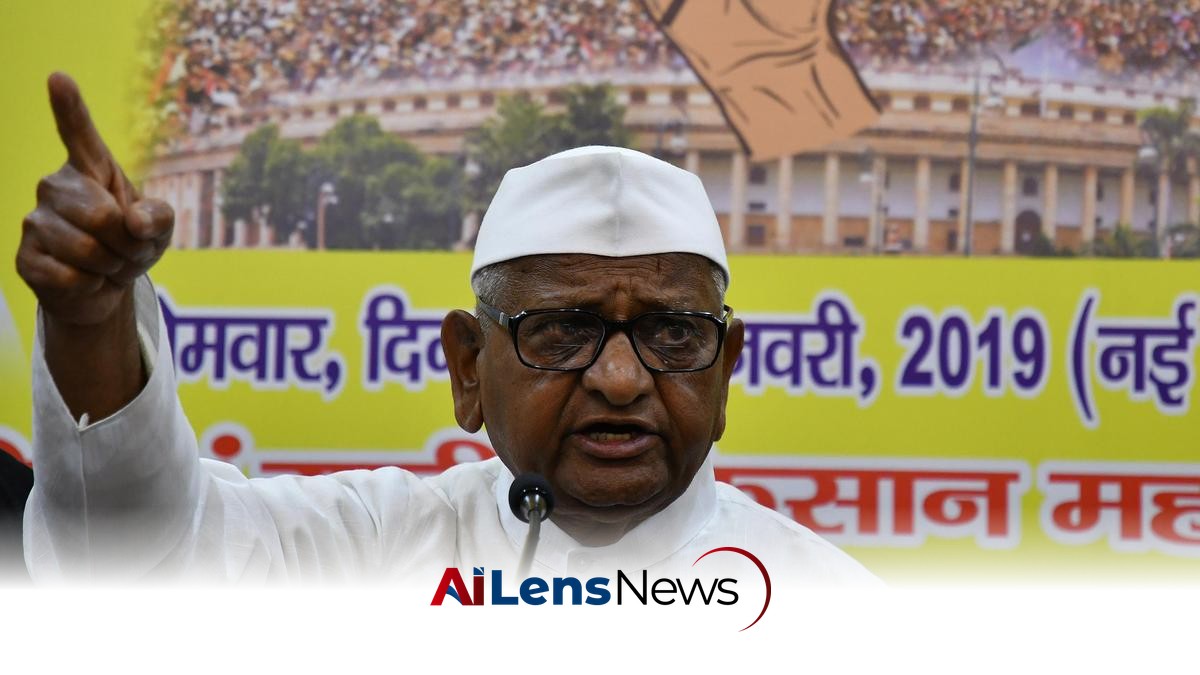


CM Fadnavis halts new RTI rules amid Hazare's hunger strike threat, addressing concerns over transparency and access to information.
New Delhi, India Jul 3, 2026 ALN: The Maharashtra government has taken a significant step in response to mounting pressure from social activist Anna Hazare and various civil society groups by announcing a stay on the recently amended Right to Information (RTI) Rules. This decision comes just two days before Hazare was scheduled to commence an indefinite hunger strike at his native village, Ralegan Siddhi, located in the Ahmednagar district. The amendments, which had stirred widespread discontent among activists and citizens alike, were perceived as detrimental to the very essence of the RTI Act, which has been a cornerstone of transparency and accountability in governance since its inception.
Anna Hazare, a prominent figure in India’s anti-corruption movement, has been a vocal advocate for the RTI Act since its introduction in 2005. His activism has played a pivotal role in empowering citizens to seek information from public authorities, thereby enhancing transparency in government operations. The amendments proposed by the Maharashtra government, however, were seen as an attempt to dilute these provisions, prompting Hazare to take a stand against them. The government’s decision to stay the amendments can be viewed as a direct response to Hazare’s impending hunger strike, which was expected to draw significant media attention and public support.
Following the government’s announcement, there was a palpable sense of relief among the residents of Ralegan Siddhi. The village, which has been a witness to Hazare’s struggles for decades, expressed joy at the news. A close associate of Hazare remarked on the emotional weight of the situation, particularly considering Hazare’s age of 90 years. The community's support for Hazare reflects a broader sentiment among many citizens who view the RTI Act as a vital tool for holding the government accountable.
Documents from the General Administration Department, which were made available to the public, revealed that the Chief Minister of Maharashtra had directed the reinstatement of the RTI rules as they were prior to a gazette notification issued on June 12, 2026. This directive led to the Maharashtra State Information Commission (SIC) issuing orders to stay the amendments, thereby restoring the previous regulations. This reversal signifies the government's acknowledgment of the widespread discontent and the potential ramifications of pushing through such controversial changes without adequate public consultation.
The amendments to the RTI Rules had raised serious concerns among activists and citizens alike. Key provisions included a threefold increase in application fees, the introduction of a new fee for appeals, and a cap on the amount of free information available to individuals living below the poverty line. These changes were perceived as barriers to accessing information, particularly for marginalized communities who rely on the RTI Act to seek accountability from public officials.
Moreover, the amendments stipulated that each RTI application must pertain to a single subject and be limited to 150 words. This requirement was criticized for potentially stifling the ability of citizens to ask comprehensive questions about government functioning. Additionally, the new rules mandated the disclosure of an applicant’s identity, which raised alarm among whistleblowers and activists concerned about retaliation. The prohibition of legal representation during hearings and the stipulation that cases could be dismissed if applicants failed to appear further compounded the fears surrounding these amendments.
RTI activist Vijay Kumbhar welcomed the government’s decision to stay the amendments but emphasized the need for their complete scrapping. Kumbhar articulated the sentiment shared by many in the activist community, calling for the establishment of a new committee to review the RTI Rules, with representation from all stakeholders. This reflects a broader demand for transparency and public engagement in the formulation of policies that directly affect citizens’ rights.
In light of the stay, Maharashtra’s Chief Information Commissioner, Rahul Pande, acknowledged the discussions held with Anna Hazare, which focused on the effective implementation of the RTI Act in the state. Pande noted that Hazare had stressed the importance of proactive disclosure of information by public authorities, a principle that is integral to the RTI framework. The Chief Minister’s directive to stay the implementation of the new rules underscores the government’s commitment to uphold the principles of transparency and accountability that the RTI Act embodies.
The timing of the government’s announcement was particularly notable, as it coincided with the villagers of Ralegan Siddhi planning an agitation to protest the amendments. The villagers had intended to publicly burn the draft of the new RTI Rules, a symbolic act of defiance against what they viewed as an unjust infringement on their rights. This grassroots mobilization reflects the strong community support for Hazare and the importance of the RTI Act in their lives.
A team from the SIC had visited Hazare on June 24, prior to the government’s announcement, where they discussed the implications of the proposed amendments. Despite the discussions, Hazare had remained resolute in his intention to proceed with his hunger strike, underscoring the urgency he felt regarding the need to protect the RTI Act. Prominent activists had also taken legal steps to challenge the amendments, asserting that they contradicted the spirit and provisions of the RTI Act. This collective pushback from civil society highlights the critical role of public advocacy in safeguarding democratic rights.
The implications of the government’s stay on the amended RTI Rules extend beyond immediate relief for Hazare and his supporters. It serves as a reminder of the power of civic engagement and the necessity for governments to listen to the voices of their constituents. The RTI Act, hailed as a landmark legislation, has empowered millions of Indians to seek information and hold their leaders accountable. As the Maharashtra government navigates the complexities surrounding the RTI framework, it will be crucial for them to foster an environment that encourages transparency and participatory governance.
In conclusion, while the Maharashtra government's decision to stay the amended RTI Rules is a positive development for advocates of transparency, it also raises questions about the future of the RTI Act in the state. The need for ongoing dialogue between the government, civil society, and the public is essential to ensure that the RTI framework remains robust and effective in promoting accountability. As the situation continues to evolve, the commitment of all stakeholders to uphold the principles of transparency and citizen empowerment will be vital in shaping the future of governance in Maharashtra and beyond.
To learn more about the latest developments in Politics, stay updated with our exclusive reports and analyses on AiLensNews.

