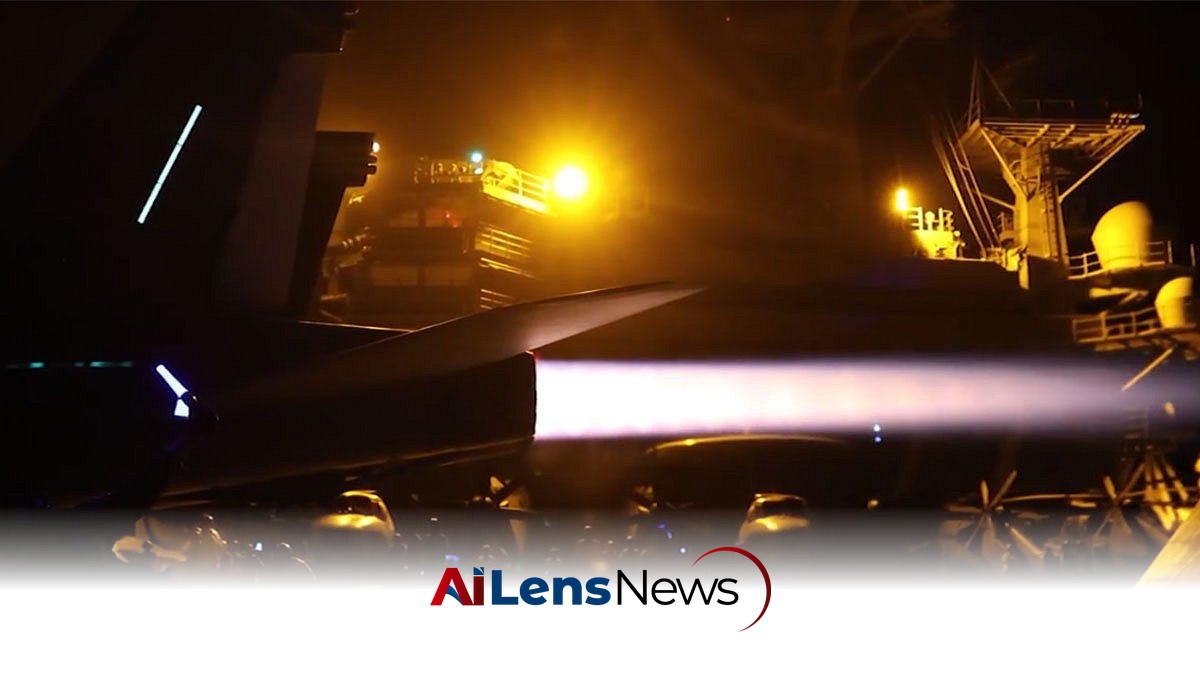


The US military has executed its eighth consecutive night of airstrikes targeting Iranian military assets, following attacks on American forces in Jordan.
Kuwait City, Kuwait Jul 19, 2026 ALN: The recent escalation of military action between the United States and Iran marks a significant moment in a long-standing conflict that has seen various forms of tension, including diplomatic standoffs, economic sanctions, and military confrontations. The U.S. Central Command (CENTCOM) reported that U.S. forces have conducted airstrikes against Iranian positions for eight consecutive nights, a clear indication of the heightened military engagement in the region.
The strikes, which began on July 11 and continued through July 18, were reportedly aimed at critical Iranian military infrastructure, including coastal surveillance sites, air defense systems, maritime capabilities, and storage facilities for missiles and drones. These targets were chosen to degrade Iran's operational capabilities, particularly in the context of its influence over shipping routes in the strategically vital Strait of Hormuz, a narrow passage that is a critical chokepoint for global oil shipments. Approximately 20% of the world's oil passes through this strait, making it a focal point for both economic and military interests of various nations.
According to CENTCOM, the operations were ordered by the commander in chief and were executed with the intent to punish Iranian forces for their alleged involvement in attacks on U.S. personnel. Specifically, the airstrikes were a direct response to an attack on American service members stationed in Jordan on July 17, which the U.S. government attributed to the Islamic Revolutionary Guard Corps (IRGC). The IRGC, a branch of Iran's armed forces, has been designated by the U.S. as a terrorist organization and is often implicated in various regional conflicts, supporting proxy groups that oppose U.S. interests. This designation has significant implications for U.S. foreign policy and military strategy in the region, as it shapes the narrative around Iran's military actions and justifies U.S. responses.
The U.S. military's actions come at a time when tensions in the Middle East are particularly high, exacerbated by a series of incidents involving Iranian forces and their proxies. The Iranian government has long been accused of using asymmetric warfare tactics, including cyber attacks, maritime harassment, and support for militant groups in countries such as Iraq, Syria, and Lebanon. These actions have raised concerns among U.S. officials and their allies, prompting a military response aimed at deterring further aggression. The U.S. has also expressed concerns about Iran's ballistic missile program and its potential to threaten not only regional stability but also U.S. interests and allies far beyond the Middle East.
The ongoing airstrikes reflect a broader strategy by the U.S. to maintain a robust military presence in the region, with over 50,000 troops currently deployed across various bases in the Middle East. This troop presence is intended to provide a rapid response capability in the event of further escalations and to reassure U.S. allies in the region, who may feel threatened by Iranian expansionism. Countries such as Saudi Arabia, Israel, and the United Arab Emirates have historically viewed Iran's military activities with suspicion and have sought U.S. support to counterbalance Iranian influence.
The implications of these military actions are significant. They not only escalate the risk of direct military confrontation between the U.S. and Iran but also complicate diplomatic efforts aimed at resolving the ongoing tensions. Previous attempts at negotiations, particularly surrounding Iran's nuclear program, have stalled amid mutual accusations and a lack of trust between the two nations. The current military actions could further entrench both sides in their positions, making future diplomatic efforts more challenging. The Joint Comprehensive Plan of Action (JCPOA), which aimed to limit Iran's nuclear capabilities in exchange for sanctions relief, has been a focal point of contention, and the U.S. withdrawal from the agreement in 2018 has had lasting repercussions on international relations concerning Iran.
Moreover, the strikes have the potential to provoke retaliatory actions from Iran or its proxies, which could lead to a cycle of violence that destabilizes the region even further. Iran has historically responded to U.S. military actions with asymmetric tactics, including attacks on shipping vessels in the Persian Gulf and cyber operations targeting U.S. interests. The risk of miscalculation in this high-stakes environment is significant, as even minor incidents could escalate into broader confrontations.
As the situation develops, the international community is closely watching the unfolding events. Allies in Europe and the Middle East are likely to be concerned about the potential for a wider conflict that could disrupt global oil supplies and exacerbate humanitarian crises in already volatile areas. The United Nations and other international bodies may call for restraint and dialogue to prevent further escalation. The potential for increased refugee flows and humanitarian needs in the region is a pressing concern, particularly in light of ongoing conflicts in Syria and Yemen, where Iranian influence is also a factor.
In summary, the U.S. airstrikes against Iranian targets represent a significant escalation in military engagement amid rising tensions between the two nations. The strategic objectives behind these operations are multifaceted, aiming to deter Iranian aggression while also signaling U.S. commitment to protecting its interests and allies in the region. As military operations continue, the potential for further conflict remains a pressing concern for policymakers and military leaders alike, with the broader implications for regional stability and international relations hanging in the balance. The ongoing situation underscores the complexities of Middle Eastern geopolitics, where historical grievances, national interests, and the interplay of various state and non-state actors create a challenging environment for peace and security.
To learn more about the latest developments in World News & International Affairs, stay updated with our exclusive reports and analyses on AiLensNews.

