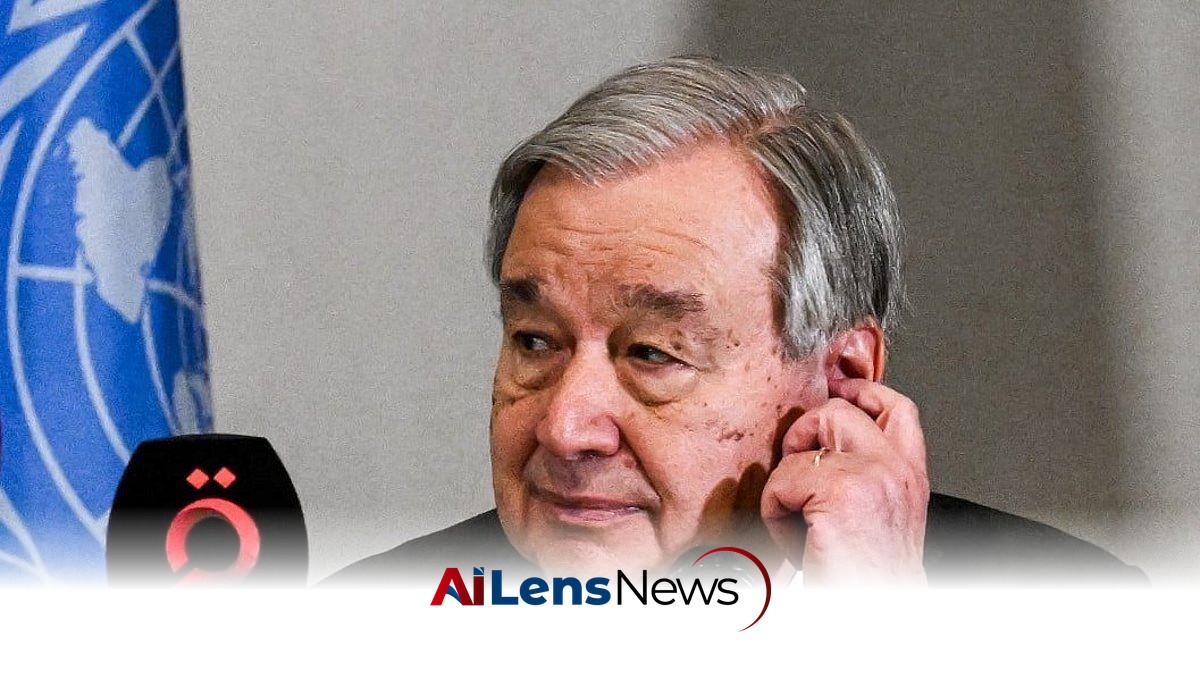


Antonio Guterres urges the international community to remove all sanctions on Syria, emphasizing the need for economic recovery and support for the new government.
Kuwait City, Kuwait Jul 26, 2026 ALN: United Nations Secretary-General Antonio Guterres made a significant call for the immediate lifting of all sanctions imposed on Syria during the regime of former President Bashar al-Assad. This appeal came at the conclusion of a two-day visit to Syria, marking a pivotal moment for the war-torn nation as it attempts to recover from over 13 years of conflict. Guterres's visit is particularly notable as he is the first UN chief to visit Syria since Ban Ki-moon in 2009, prior to the onset of the civil war that has since devastated the country and resulted in the deaths of more than half a million people.
The backdrop to Guterres's appeal is the political transition in Syria following the ousting of Assad. In December 2024, new authorities took power, signaling a potential shift in governance and policy direction. These authorities are now faced with the monumental task of rebuilding a country that has suffered extensive physical and economic damage, with the World Bank estimating that post-war reconstruction could cost as much as $216 billion. The transition of power has generated cautious optimism among some international observers, although substantial challenges remain.
During his press conference in Damascus, Guterres emphasized the urgent need for international support to assist Syria in its recovery efforts. He stated, "I welcome steps that have eased sanctions, and opening new possibilities for economic recovery, but all these sanctions must be removed immediately." This statement underscores a growing sentiment among some members of the international community that sanctions, which were initially imposed to pressure the Assad regime, are now hindering the country’s recovery and the well-being of its citizens.
Despite the easing of some sanctions by Western nations, including the United States, investor confidence in Syria remains low. The ongoing instability and the legacy of the war deter many from investing in the country, leaving the economy in a fragile state. Guterres highlighted the necessity of investment in the people, economy, and institutions of Syria, emphasizing that such support is crucial for restoring essential services, rebuilding infrastructure, and reviving livelihoods.
Moreover, Guterres pointed out the humanitarian crisis that continues to unfold in Syria, where millions remain displaced. According to UN estimates, approximately 1.7 million refugees have returned to Syria since the conflict began, while around 5.5 million people remain displaced within the country and an additional six million are living as refugees abroad. The Secretary-General called for help to ensure the safe, voluntary, and dignified return of these individuals, noting that addressing the needs of displaced persons is integral to the country’s overall recovery.
During his visit, Guterres engaged with senior officials from the new government, including President Ahmed al-Sharaa, Foreign Minister Asaad al-Shaibani, and the speaker of the new transitional parliament, which held its first session earlier this month. His discussions with these officials focused on the need for a governance system that is inclusive of Syria's diverse multi-ethnic and multi-confessional society. The international community has emphasized the importance of establishing a governance framework that represents all segments of the population, particularly in light of the country’s complex social fabric.
Guterres also took the opportunity to meet with members of the UN peacekeeping force stationed in the Israeli-occupied Syrian Golan Heights, as well as representatives from various sectors of Syrian civil society, including women and youth. This engagement reflects a broader commitment to fostering dialogue and understanding among different communities within Syria, which is essential for long-term peace and stability.
One of the more controversial aspects of Guterres's visit was his tour of Sednaya prison, known for its brutal conditions under the Assad regime. This facility has been a focal point for human rights abuses, and Guterres's visit underscores the ongoing need for accountability and reform within the Syrian justice system. The new authorities are under scrutiny from the international community to address these issues and to ensure that human rights are respected in the rebuilding process.
In addition to discussing internal governance and humanitarian needs, Guterres reiterated the importance of Syria's sovereignty and territorial integrity. His remarks come in the context of ongoing tensions with Israel, particularly following reports of Israeli military incursions and artillery shelling in southern Syria. Guterres's statement that "violations of Syria's sovereignty and territorial integrity are unacceptable" reflects the UN's longstanding position on the need to respect national borders and sovereignty amidst regional conflicts.
Since the fall of Assad, Israel has increased its military presence in the Golan Heights, which has led to a series of confrontations and strikes aimed at preventing Iranian influence and military entrenchment in the region. The situation remains delicate, with Israeli forces conducting operations to create a demilitarized zone in southern Syria, further complicating the security landscape in the area.
The implications of Guterres's visit and his calls for lifting sanctions are profound. If the international community responds positively to his appeal, it could pave the way for increased investment and support for Syria's reconstruction efforts. However, there are significant concerns about the new authorities' commitment to democratic governance and human rights, which could influence the extent to which sanctions are lifted.
As Syria stands at this crossroads, the actions taken by both the new government and the international community will be crucial in determining the country’s future trajectory. The potential for recovery and rebuilding exists, but it will require concerted efforts to address the multifaceted challenges that have arisen from years of conflict. The international community's engagement, or lack thereof, will play a critical role in shaping Syria's post-war landscape and the lives of its citizens in the years to come.
To learn more about the latest developments in Politics, stay updated with our exclusive reports and analyses on AiLensNews.

