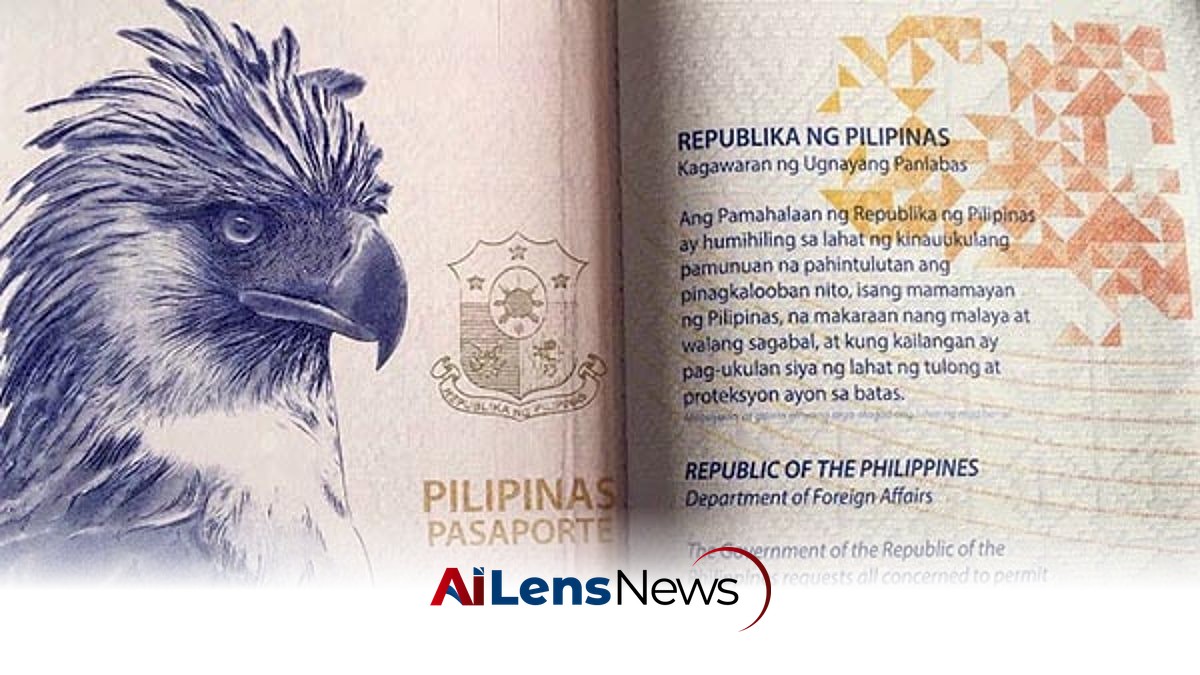


The Philippine passport climbs to 72nd place in the 2026 Henley Passport Index, allowing visa-free access to 65 destinations, marking a recovery from pandemic lows.
Kuwait City, Kuwait Jul 22, 2026 ALN: Manila: After years of fluctuating fortunes, the Philippine passport is showing signs of recovery.
The latest Henley Passport Index places the Philippines 72nd in the world in 2026, its highest position since before the pandemic and a modest improvement from 75th last year. This year's ranking suggests that the Philippines is moving in the right direction, reflecting a gradual recovery from the severe impacts of the COVID-19 pandemic, which disrupted global travel and significantly affected the mobility of millions of people worldwide.
Filipino passport holders can now enter 65 destinations — without obtaining a visa in advance, up by one from the previous ranking, as per the Henley & Partners (H&P) index. This increase is particularly welcome news for millions of overseas Filipino workers (OFWs), business travelers, students, and tourists who rely on international travel for work, education, and leisure. The ability to travel without the burden of visa applications can significantly ease the mobility of these individuals, allowing them to pursue opportunities abroad more freely.
The broader picture, however, is more complicated. The historical rankings tell the story of a passport that has risen, stumbled, and risen again — mirroring the country's changing diplomatic fortunes and the disruptions of a world reshaped by pandemics, geopolitics, and increasingly unequal access to mobility. The Philippine passport's fluctuating status serves as a barometer of the nation’s international standing and its ability to forge and maintain fruitful relationships with other countries.
According to the H&P historical data, the Philippines ranked 63rd in 2006 before improving to 62nd between 2007-2009, its highest standing on the H&P scale so far. However, the country's standing then declined during the following decade, slipping to 80th in 2015 before recovering to 76th in 2014 and later settling into the mid-70s. This decline and subsequent recovery reflect not only the internal dynamics of the Philippines but also external factors such as global economic conditions and international relations.
The sharpest setback came in 2021, when the Philippine passport dropped to 83rd, reflecting the global upheaval caused by COVID-19, border closures, and prolonged travel restrictions. This decline was not unique to the Philippines, as many countries experienced similar drops in their passport rankings due to the pandemic. The pandemic highlighted the vulnerabilities in global mobility, as countries scrambled to manage public health crises while attempting to maintain some level of international connectivity.
Since then, the trajectory has gradually turned upward:
2022: 77th
2023: 78th
2024: 73rd
2025: 75th
2026: 72nd
The latest ranking places the Philippines 10 notches ahead of its pandemic-era low (83rd in 2021), though still well below its best performance (62nd from 2007-2009) nearly two decades ago. This incremental improvement reflects the Philippines' ongoing efforts in strengthening diplomatic ties and negotiating better visa arrangements with other nations. The government has been active in pursuing partnerships and agreements that facilitate travel, recognizing the importance of a strong passport in enhancing its citizens' global mobility.
The improvement in 2026 reflects incremental gains in diplomatic engagement and visa arrangements rather than a dramatic expansion of travel freedoms. Henley & Partners, which compiles the index using International Air Transport Association (IATA) data, emphasizes that passport strength increasingly reflects a country's geopolitical influence. The ability of a passport to open doors is often tied to the diplomatic relationships a country maintains with others. This highlights the interconnectedness of global politics and international travel, where a strong passport can serve as a tool for soft power.
"The world's strongest passports belong to nations that other countries want as partners — for trade, investment, security, or cooperation," said Christian H. Kaelin, chairman of Henley & Partners. This statement highlights the importance of international relations in determining the power of a passport. The ability to travel freely is not merely a matter of convenience; it is also indicative of a country's standing in the international community.
No country illustrates that transformation better than the United Arab Emirates, which has added more than 150 visa-free destinations since 2006 through an aggressive diplomatic campaign and reciprocal visa agreements. Today, it shares second place globally alongside Japan and South Korea, while Singapore remains the world's most powerful passport with access to 192 destinations. The UAE's strategic approach to diplomacy has allowed it to significantly enhance the mobility of its citizens, demonstrating how targeted foreign policy can yield tangible benefits.
For the Philippines, the gains have been more measured. Expanding visa-free access depends less on tourism than on broader foreign policy objectives, including stronger bilateral relations, improved border security, economic partnerships, and mutual trust between governments. The Philippine government has been actively pursuing these goals, recognizing that a stronger passport can enhance its citizens' mobility and improve the nation's global standing. This strategic focus on diplomacy and international relations is crucial as the Philippines navigates a complex geopolitical landscape.
The report also underscores a widening inequality in global mobility. In 2006, the difference between the world's strongest and weakest passports amounted to 118 destinations. The latest Passport Index dashboard shows the Philippine passport with a Mobility Score of 79 — allowing access to 79 destinations through a combination of 38 visa-free destinations, 37 visa-on-arrival countries, and 4 electronic travel authorisation (eTA) destinations. This score reflects the ongoing challenges faced by many nations in securing favorable travel agreements.
Twenty years later, that gap has grown to 170 destinations — the widest ever recorded. Singaporeans can travel to 192 destinations without obtaining a visa beforehand, while Afghan passport holders have access to just 22. The growing divide highlights an often-overlooked reality of globalization: while international travel has become easier for citizens of the world's wealthiest and most diplomatically connected nations, millions of others continue to face significant barriers at international borders. This disparity raises important questions about fairness, equity, and the implications of global mobility for individuals and nations alike.
For Filipinos, the move to 72nd is a reminder that passport power is rarely transformed overnight. It is built gradually — through diplomacy, economic credibility, security cooperation, and the trust that countries place in one another. The challenge now is whether this momentum can be sustained in an increasingly competitive world where access across borders has become another measure of global influence. The Philippines must continue to engage in proactive diplomacy to ensure that its passport remains competitive and that its citizens can enjoy the benefits of increased mobility.
In conclusion, while the Philippine passport's rise to 72nd place in the Henley Passport Index is a positive development, it also serves as a reflection of the ongoing challenges and complexities of global mobility. As the world continues to evolve, the Philippines must navigate its diplomatic relationships carefully to ensure that its citizens can enjoy the benefits of increased mobility and access to a broader range of destinations. The future of the Philippine passport will depend on the country's ability to adapt to changing global dynamics and to forge strong partnerships that enhance its citizens' ability to travel freely.
To learn more about the latest developments in World News & International Affairs, stay updated with our exclusive reports and analyses on AiLensNews.

