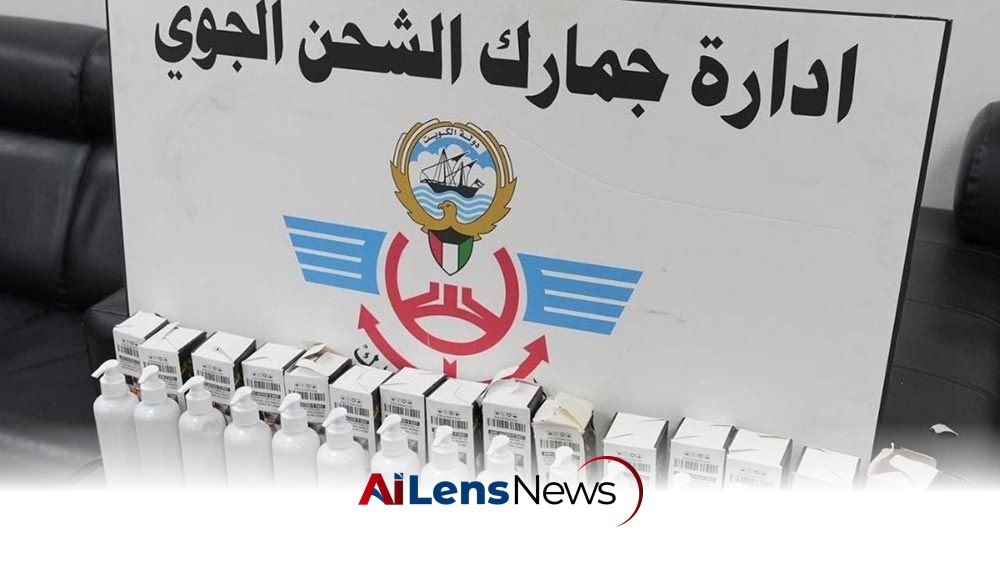


Kuwait Customs has successfully intercepted a smuggling attempt involving nine kilograms of a chemical drug liquid hidden in shampoo bottles from the UK. The operation underscores the commitment to combat drug trafficking.
Kuwait City, Kuwait Jul 23, 2026 ALN: Kuwait Customs has recently made a significant seizure in its ongoing efforts to combat drug trafficking and maintain public safety. The customs authorities successfully thwarted an attempt to smuggle approximately nine kilograms of a chemical drug liquid, which was cleverly concealed within shampoo bottles in an air cargo shipment that had arrived from the United Kingdom. This incident highlights the persistent challenges faced by customs officials in detecting and intercepting illegal substances that are often disguised to evade detection.
The seizure occurred during a routine inspection conducted by inspectors from the General Administration of Customs’ Air Cargo Customs Department. This particular team is tasked with monitoring and controlling air cargo shipments entering the country. The shipment in question was flagged as suspicious, prompting customs officers to conduct enhanced screening procedures. This vigilance proved to be crucial, as it led to the discovery of the concealed narcotic substance hidden within the shampoo containers. Such tactics, where illegal drugs are disguised as everyday consumer products, are not uncommon in the smuggling trade, as traffickers continually seek innovative ways to bypass customs regulations.
Upon the discovery of the illicit substance, it was promptly confiscated by the authorities, and the necessary legal procedures have been initiated to address the smuggling attempt. This action is part of a broader strategy employed by Kuwait Customs to deter drug trafficking and ensure that those involved in such criminal activities are held accountable under the law. The swift response of customs officials in this case underscores their commitment to maintaining the integrity of the country’s borders and protecting public health.
The operation aligns with directives from First Deputy Prime Minister and Minister of Interior Sheikh Fahad Yousef Saud Al-Sabah, who has emphasized the importance of strengthening customs oversight and enhancing efforts to combat the smuggling of prohibited substances. Under his leadership, there has been a concerted push to improve the capabilities of customs authorities, including the implementation of advanced screening technologies and the training of personnel to better identify suspicious shipments.
Kuwait Customs has reaffirmed its commitment to tightening security measures at all customs ports. This includes not only air cargo but also sea and land ports, where the risk of drug trafficking remains significant. The agency has stated that it will continue to utilize its human and technical resources effectively to prevent the trafficking of banned materials. This collaborative approach involves coordination with relevant security authorities, which is essential for safeguarding the country’s security and public safety.
The implications of this seizure extend beyond the immediate recovery of illegal substances. It serves as a reminder of the ongoing battle against drug trafficking that many nations face, particularly those in the Gulf region, where drug abuse and trafficking are pressing concerns. The concealment of narcotics in consumer products like shampoo bottles reflects the lengths to which traffickers will go to exploit vulnerabilities in customs systems. As such, it underscores the need for continuous improvement in detection methods and international cooperation in addressing the global drug trade.
The use of everyday items to smuggle drugs also raises questions about consumer safety and the integrity of supply chains. It poses a risk not only to those who might unknowingly purchase these contaminated products but also to the broader community, as it can lead to increased drug availability and potential abuse. This incident highlights the critical role that customs and border protection agencies play in not only enforcing laws but also in protecting public health and safety.
In recent years, Kuwait has seen a rise in drug-related incidents, prompting authorities to take a more aggressive stance against trafficking. The government has invested in enhancing surveillance and detection capabilities at ports of entry, and this recent seizure is a testament to the effectiveness of those efforts. By actively pursuing and intercepting smuggling operations, Kuwait aims to deter potential traffickers and reduce the overall prevalence of drugs within its borders.
Furthermore, the incident may have broader implications for international relations and trade. Countries engaged in trade with Kuwait, particularly those exporting goods like cosmetics and personal care products, may need to be more vigilant in ensuring that their shipments comply with customs regulations. Increased scrutiny of shipments can lead to delays and additional costs, which may impact trade dynamics. However, these measures are essential for maintaining security and public health.
As Kuwait Customs continues to enhance its operations, it is also likely to focus on community engagement and education regarding the dangers of drug abuse. Public awareness campaigns can help inform citizens about the risks associated with drug use and the importance of reporting suspicious activities. By fostering a culture of vigilance and responsibility, Kuwait can strengthen its defenses against drug trafficking and promote a healthier society.
In conclusion, the recent seizure of nine kilograms of a chemical drug liquid concealed in shampoo bottles by Kuwait Customs serves as a critical reminder of the ongoing challenges posed by drug trafficking. The proactive measures taken by customs officials, in alignment with government directives, demonstrate a strong commitment to safeguarding the nation’s security and public health. As authorities continue to adapt and respond to evolving smuggling tactics, the importance of vigilance, cooperation, and public awareness remains paramount in the fight against drug-related crimes.
The incident also opens up discussions regarding the effectiveness of current drug policies in Kuwait and the region. With drug trafficking being a complex issue that intertwines with various socio-economic factors, there is a growing recognition that comprehensive strategies are needed to address the root causes of drug abuse and trafficking. This includes not only law enforcement measures but also public health initiatives aimed at prevention and rehabilitation.
Moreover, the international drug trade is a multifaceted problem that requires collaboration among countries. Kuwait's efforts in intercepting drug shipments can serve as a model for other nations facing similar challenges. By sharing intelligence, best practices, and resources, countries can enhance their capabilities in combating drug trafficking more effectively.
In light of this seizure, it is also crucial for consumers to remain aware of the potential risks associated with purchasing products from unverified sources. The incident serves as a reminder of the importance of ensuring that personal care products are sourced from reputable suppliers. This vigilance can help protect consumers from inadvertently becoming involved in the drug trade.
As Kuwait continues to navigate the complexities of drug trafficking, the recent seizure of nine kilograms of a chemical drug liquid concealed within shampoo bottles stands as a testament to the ongoing efforts to safeguard the nation’s borders and public health. The challenges posed by drug trafficking are significant, but with continued commitment, vigilance, and public cooperation, Kuwait can work towards a safer and healthier future for its citizens.
To learn more about the latest developments in Crime & Law, stay updated with our exclusive reports and analyses on AiLensNews.

