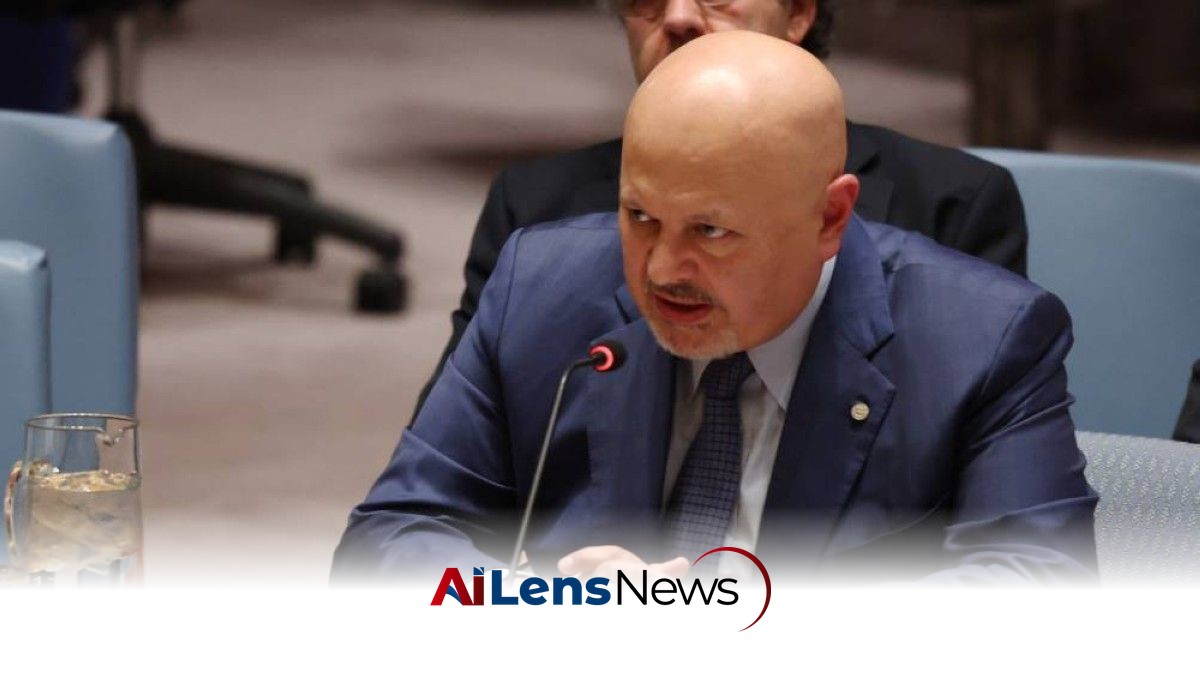


The International Criminal Court voted to remove prosecutor Karim Khan following allegations of serious misconduct, including sexual assault claims from a staff member.
Kuwait City, Kuwait Jul 25, 2026 ALN: The International Criminal Court (ICC) has made headlines following the dismissal of its prosecutor, Karim Khan, amid serious allegations of misconduct. On Friday, member states of the ICC convened and voted to remove Khan from his position, with 82 out of 125 members supporting the decision. The vote came in the wake of allegations that Khan sexually assaulted a female member of his staff, leading to his suspension last month.
The ICC, which is based in The Hague, Netherlands, operates under a complex framework that includes member states from around the world. Established in 2002 by the Rome Statute, the ICC aims to hold individuals accountable for genocide, war crimes, and crimes against humanity. It represents a significant step in the evolution of international law, providing a permanent tribunal for the prosecution of such offenses. The decision to dismiss Khan was made during a secret ballot held at the United Nations headquarters in New York. According to reports, only 13 states voted in favor of allowing Khan to retain his position, while 15 members chose to abstain from the vote, and others were absent. This indicates a significant consensus among member states regarding the seriousness of the allegations against Khan.
In the wake of the vote, Khan's legal representative announced that he intends to challenge the decision, asserting that he would explore all available legal avenues to contest what he perceives as an unjust ruling. The ICC, in its official statement, acknowledged the outcome of the vote but did not comment further on the specifics of the allegations or the implications of the dismissal. This lack of transparency has raised concerns among observers about the accountability mechanisms within the ICC itself.
The allegations against Khan were first brought to light in an inquiry initiated last year. In May 2025, he voluntarily stepped back from his duties to address the accusations made by a female colleague, identified only by her first name, Sarah. Sarah, who served as Khan's direct assistant, provided a detailed account of her experiences in a recent interview. She described what she termed an "escalation of attempts" that culminated in physical assault, emphasizing the power imbalance inherent in their professional relationship. She stated, "There is no way for something to be consensual when you have such a power disparity," highlighting the challenges faced by individuals who report misconduct in hierarchical organizations. This situation is not unique to the ICC; many organizations struggle with issues of power dynamics that complicate allegations of sexual misconduct.
Khan, who has held the position of ICC prosecutor since 2021, has vehemently denied the allegations against him. His dismissal raises significant questions about the governance and oversight of the ICC, an institution that plays a crucial role in prosecuting individuals for war crimes, genocide, and crimes against humanity. Following the vote, Paivi Kaukoranta, the head of the assembly that oversees the ICC, commended the member states for their collective decision, which she argued was essential for maintaining the integrity of the court and its mission to uphold justice for victims of atrocity crimes globally. The ICC's credibility hinges on its ability to enforce standards of conduct among its officials, making this incident particularly damaging to its reputation.
The implications of Khan's dismissal extend beyond his individual case. His lawyer, Tayab Ali, expressed concerns that the decision could set a dangerous precedent regarding the independence of the ICC. Ali argued that the court's credibility relies on the protection of its officials from removal through politically motivated or procedurally flawed processes. He emphasized the importance of ensuring that the ICC remains a fair and impartial institution, free from external pressures that could undermine its critical role in the international justice system. This perspective raises essential discussions about the balance between accountability for misconduct and the protection of institutional integrity.
Karim Khan's tenure as prosecutor has not been without controversy. He has faced significant political pressure, particularly in relation to high-profile cases that have garnered international attention. Notably, in 2024, Khan sought arrest warrants for Israeli Prime Minister Benjamin Netanyahu and former defense minister Yoav Gallant in connection with the Gaza war. These actions drew fierce backlash, including sanctions from the United States against Khan and several ICC judges involved in the proceedings. The Israeli government, represented by Foreign Minister Gideon Saar, welcomed Khan's dismissal, characterizing it as a long-overdue response to what they viewed as his overreach in pursuing charges against Israeli officials. Saar argued that the warrants issued against Israel were an attempt by Khan to divert attention from the misconduct allegations he faced. This intersection of international politics and legal accountability underscores the complexities inherent in the ICC's work.
The broader context of Khan's removal highlights the ongoing tensions surrounding the ICC's role in global justice. The court has been criticized by various nations for its perceived bias, particularly in cases involving non-member states. Critics argue that the ICC disproportionately targets leaders from African nations while overlooking alleged crimes committed by leaders from more powerful nations. Despite these challenges, the ICC remains a pivotal institution in the fight against impunity for serious crimes. Liz Evenson, the international justice director at Human Rights Watch, commented on the situation, stating that the court represents more than any single individual and is integral to a global movement for justice. She emphasized the necessity for the ICC to uphold the highest standards, particularly in creating a safe working environment for its staff and ensuring effective mechanisms are in place for reporting abuse, including sexual violence and harassment.
The fallout from Khan's dismissal is likely to reverberate within the ICC and among its member states as they navigate the complexities of governance, accountability, and the pursuit of justice. The situation underscores the critical need for robust institutional frameworks that protect individuals within organizations while also holding them accountable for their actions. As the ICC moves forward without Khan, the focus will be on how the court addresses the allegations of misconduct and what measures will be implemented to prevent similar situations in the future. The ICC may need to reevaluate its internal policies and procedures to ensure that they are conducive to a safe and respectful workplace, which is vital for maintaining the morale and integrity of its operations.
In conclusion, the dismissal of Karim Khan serves as a significant moment in the history of the International Criminal Court, raising essential questions about the intersection of power, accountability, and justice in international law. As the ICC continues to fulfill its mandate, the implications of this decision will undoubtedly shape its future operations and the perception of its legitimacy on the global stage. The court's ability to navigate this crisis will be closely watched by both supporters and critics, as it seeks to reaffirm its commitment to justice while addressing the internal challenges that have come to the forefront.
To learn more about the latest developments in Crime & Law, stay updated with our exclusive reports and analyses on AiLensNews.

