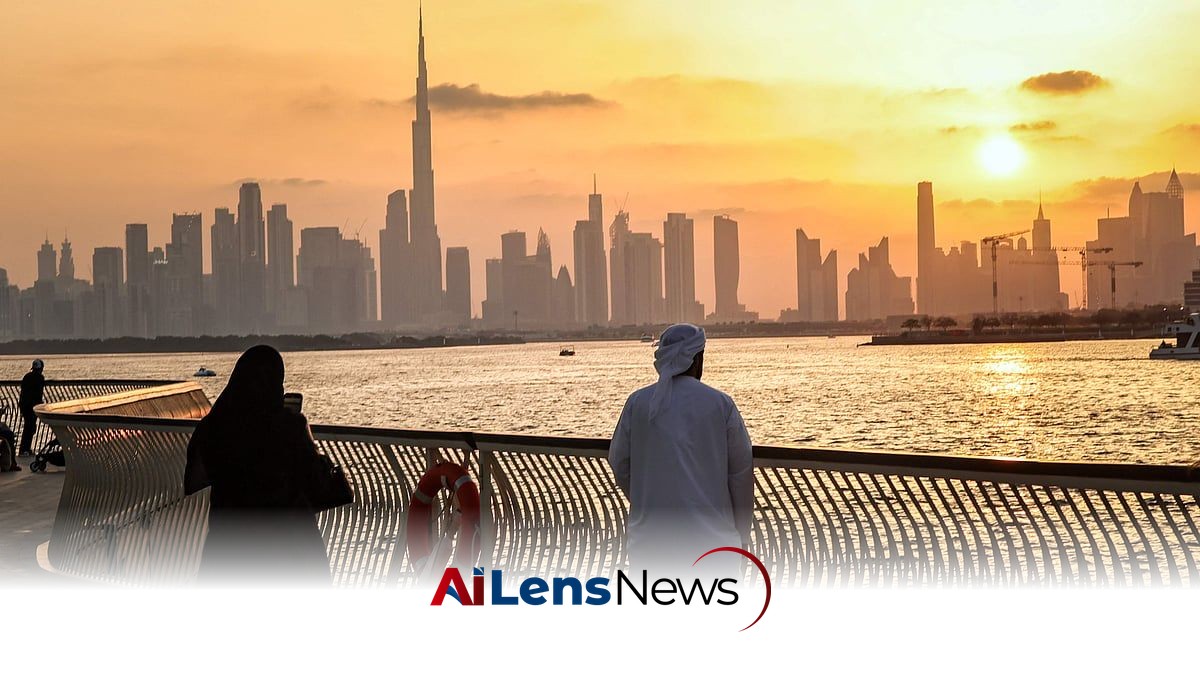


The Dubai Government has dismissed claims of explosions in Downtown, urging the public to rely on official sources for accurate information.
Kuwait City, Kuwait Jul 16, 2026 ALN: Dubai: The Government of Dubai Media Office (GDMO) has dismissed reports of explosions in Downtown Dubai, reaffirming that a Reuters report on the incident is false. This clarification comes amid heightened tensions in the region, which have led to increased scrutiny of information circulating on social media platforms.
Earlier, Reuters reported that eyewitnesses in Dubai's city centre had told the news agency they heard explosions in the Downtown area. The report circulated rapidly, prompting widespread attention and concern among residents and visitors alike. The initial claims of explosions in a bustling urban center like Downtown Dubai, known for its iconic skyline and vibrant atmosphere, understandably raised alarms.
In response, GDMO stated that the Reuters report regarding explosions in Downtown Dubai was false and stressed that no such incident had occurred.
In an effort to quell the growing anxiety, the GDMO urged the public and media organisations to rely exclusively on official sources for accurate information and to refrain from spreading rumours or unverified reports. This call for caution is particularly significant in an age where misinformation can spread rapidly, often leading to unnecessary panic and confusion.
Additionally, Dubai officials clarified that a warehouse fire was behind viral smoke footage that was circulating online, which had been mistakenly linked to the alleged explosions. The fire, while serious, was contained and posed no threat to public safety. Officials emphasized that it had no connection to any regional events, further dispelling fears of a larger crisis.
This incident highlights the importance of verifying information before sharing, especially in times of heightened sensitivity. With the rise of social media as a primary source of news for many, the potential for misinformation to spread is greater than ever. The GDMO's proactive stance serves as a reminder of the responsibility that both media and the public have in ensuring that information shared is accurate and verified.
The context surrounding this incident is crucial. The Middle East has been a focal point of geopolitical tensions for many years, with various conflicts and political unrest affecting the region. These tensions can lead to an environment where news is often scrutinized, and reports can be sensationalized. In such a climate, the accuracy of information becomes paramount, as false reports can exacerbate anxiety and lead to unintended consequences.
Dubai, as a global city and a hub for tourism and business, is particularly sensitive to perceptions of safety and security. The city has invested heavily in maintaining a stable and secure environment for its residents and visitors. Events like the alleged explosions can threaten this carefully cultivated image, making it essential for authorities to respond swiftly and decisively to misinformation.
Moreover, the rise of citizen journalism and the accessibility of smartphones have changed the landscape of news reporting. Eyewitness accounts can provide immediate information, but they can also lead to misinterpretations of events. In this case, the sounds that were reported as explosions may have been misidentified, underscoring the need for caution in how such reports are disseminated.
In light of this incident, it is important for both media outlets and the public to take a step back and assess the sources of their information. Official statements from government bodies should be prioritized, particularly in situations where there is potential for panic. The GDMO’s response serves as a crucial reminder of the role that official communications play in maintaining public trust and safety.
As the situation evolves, authorities continue to monitor the area and ensure public safety remains a priority. The Dubai police and emergency services are always on alert to respond to any incidents that may arise, and they are well-trained to handle various emergencies. Their readiness and the effectiveness of their communication strategies are vital in maintaining the confidence of the public.
In conclusion, while the initial reports of explosions in Downtown Dubai were proven to be false, the incident serves as an important case study in the dynamics of information dissemination in today’s digital age. As society becomes increasingly interconnected through technology, the responsibility to share accurate information becomes even more critical. The GDMO’s efforts to clarify the situation and urge caution in the spread of unverified reports are commendable and necessary steps in ensuring that the public remains informed and safe.
Furthermore, the incident shines a light on the broader implications of misinformation in urban settings, particularly in cosmopolitan areas like Dubai. The city attracts millions of tourists each year, and its reputation as a safe and secure destination is paramount to its economy. Any perceived threat can have immediate economic repercussions, affecting not only tourism but also local businesses that thrive on the influx of visitors. As such, the GDMO's swift action to counter misinformation is not just about maintaining public order but also about protecting the economic interests of the city.
In the context of global events, the Middle East has been under a microscope, with many countries facing their own challenges related to security and stability. The interconnectedness of news means that an incident in one part of the region can have ripple effects, influencing perceptions far beyond its borders. This makes the role of responsible journalism and accurate reporting even more critical, as the stakes are high, and the potential for misinformation to escalate tensions is significant.
Moreover, the psychological impact of false reports should not be underestimated. In times of uncertainty, the public's fear and anxiety can be heightened by the mere suggestion of danger. Authorities must work diligently to foster a sense of security and trust among the populace. This incident serves as a reminder of the delicate balance that must be maintained between transparency and the need to manage public perception in a way that does not incite panic.
In response to this incident, it may be beneficial for media organizations to implement stricter protocols for verifying information before publishing. This could involve cross-referencing multiple sources, consulting with local authorities, and utilizing fact-checking services. By prioritizing accuracy, media outlets can help mitigate the spread of misinformation and contribute to a more informed public.
Additionally, public awareness campaigns that educate citizens on how to discern credible news sources from unreliable ones can empower individuals to take responsibility for the information they consume and share. This is particularly important in a world where social media platforms can amplify false narratives at an alarming rate.
As the digital landscape continues to evolve, it is crucial for all stakeholders—governments, media, and the public—to work collaboratively to combat misinformation. The GDMO's response to the false reports of explosions in Downtown Dubai serves as a case study in crisis communication and highlights the importance of maintaining open lines of communication between authorities and the public. Ensuring that accurate information is disseminated promptly can help alleviate fears and maintain public confidence in safety measures.
In summary, the false reports of explosions in Downtown Dubai underscore the critical need for vigilance in information sharing during sensitive times. The GDMO's commitment to transparency and accuracy is essential in fostering a secure environment for residents and visitors alike. As we navigate the complexities of the information age, the lessons learned from this incident can help shape a more informed and responsible media landscape, ultimately contributing to public safety and trust in governance.
To learn more about the latest developments in Local & Regional, stay updated with our exclusive reports and analyses on AiLensNews.

