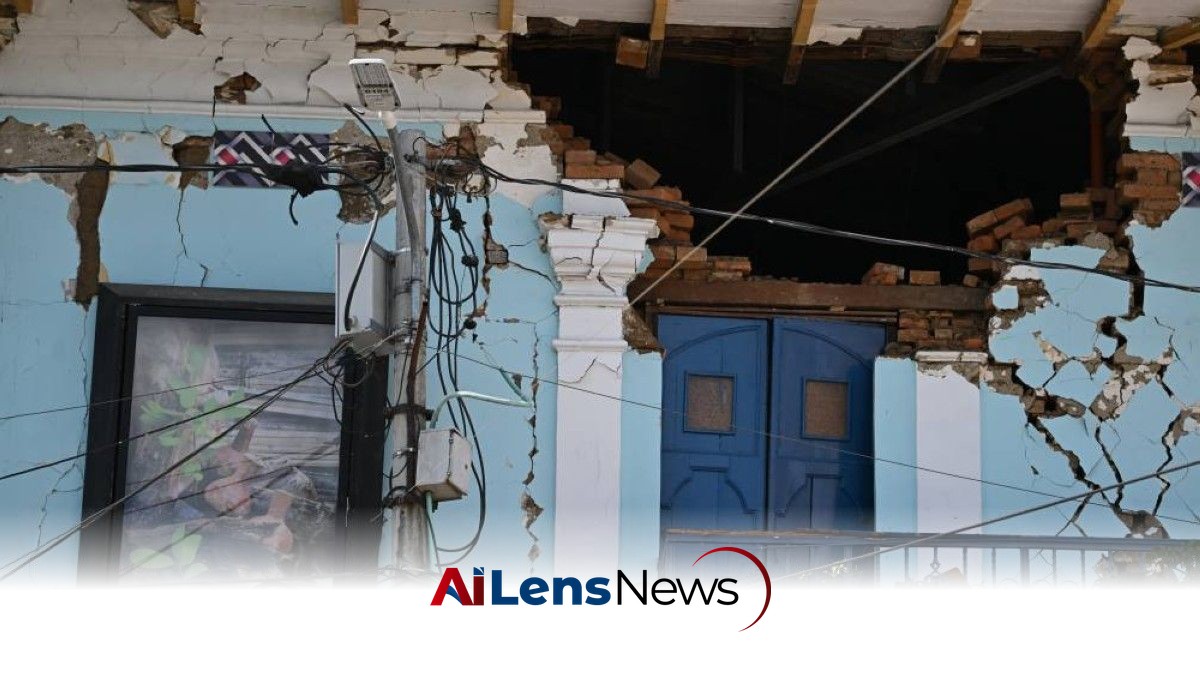


In a remarkable rescue, a 32-year-old woman was pulled alive from the rubble of a collapsed building in Pereira, Colombia, as the death toll from a powerful earthquake surpasses 240.
Kuwait City, Kuwait Aug 12, 2026 ALN: Colombian rescuers pulled a 32-year-old woman alive from the rubble of a collapsed building Tuesday, sparking cheers and applause as exhausted crews raced to find more survivors from the country's strongest earthquake in a century. Daniela Largo was carried from the wreckage wrapped in a blue blanket as rescuers embraced and relatives shouted out with joy.
The rescue came as soldiers, firefighters, and volunteers searched collapsed buildings across western Colombia after a 7.4-magnitude quake killed at least 241 people and injured more than 1,600. "We were losing hope and then we received a call," said her mother Sandra Milena Perez in Pereira.
Perez said a local resident heard cries for help beneath the rubble and joined neighbors in removing debris before professional rescuers arrived. "Thanks to him, today we're happy," she said. "At home her 12-year-old son is waiting for her." This incident highlights the community spirit and the urgency of the rescue efforts, which were marked by collaboration between local residents and official rescue teams.
In Pereira and in Cali, emergency crews used cranes, dogs, and heavy machinery to search ruined buildings while volunteers formed human chains to clear debris by hand, hoping to reach people still trapped beneath collapsed structures. As darkness fell, families prepared to sleep in parks as aftershocks rattled damaged neighborhoods where entire blocks had been reduced to rubble. The quake overwhelmed parts of the health system, turning the rescue effort into one of Colombia's largest disaster responses in years.
The destruction caused by the earthquake was not limited to the immediate loss of life and injuries. It also placed immense pressure on local infrastructure and emergency services, which were already strained due to the ongoing challenges posed by the COVID-19 pandemic. Hospitals were forced to cope with an influx of patients, many of whom were suffering from injuries sustained during the quake, while also dealing with the logistical challenges of treating patients in makeshift conditions.
"The house came down on top of us. I wasn't able to get out," said Beatriz Arcos, who was trapped with her husband and mother beneath their collapsed condominium. "It took about an hour to get us out." Arcos said she was hospitalized after a concrete block fell on her back. Her husband and mother were also injured. This personal account underscores the immediate dangers faced by residents living in earthquake-prone regions, particularly in older buildings that may not have been designed to withstand such powerful seismic events.
In Cali, residents armed with picks, shovels, and their bare hands joined firefighters in digging through collapsed buildings. Rescuers stopped every few minutes to call into the rubble and listen for any response. "We're doing this with our hands, with gloves," said volunteer Pablo Cesar Ruiz. "It's sad to see time slipping away." The urgency of the situation was palpable as time passed, with every minute counting in the search for potential survivors.
In Pereira, army units and sniffer dogs combed through twisted concrete and exposed steel. At one site, a rescue squad leader abruptly raised his fist, stopping workers so they could listen for signs of life. Volunteers formed human chains, passing bricks and chunks of masonry hand-to-hand to clear paths into collapsed structures. This grassroots effort exemplifies the resilience and determination of the Colombian people in the face of tragedy.
'So much effort'
For many families, the desperate search was becoming a vigil. "My aunt lived there. She's under the rubble," said Jorge Gonzalez, standing beside a collapsed building in Pereira. "I arrived yesterday and I haven't left, and until they find her body I don't intend to leave here." This sentiment reflects the emotional toll that such disasters take on families and communities, as they grapple with uncertainty and loss.
While some families waited for news of missing relatives, others were grappling with the loss of homes, possessions, and livelihoods. "We lost everything," said Stella Galvis, fighting back tears after escaping the collapse of her home. "We survived by a miracle, since I managed to get my little boy out and my partner managed to get out too." From the air, neighborhoods in Cali appeared flattened, with piles of grey rubble replacing entire blocks of homes and apartment buildings. This visual devastation is a stark reminder of the fragility of human life and the unpredictability of natural disasters.
Nearby, cars lay crushed beneath fallen walls and concrete slabs. On one mound of debris, a young couple climbed over broken masonry searching for belongings. They recovered a box from inside a child's bright red bedside table. Many survivors spent the night outdoors, either because their homes were damaged or because they feared aftershocks. One park in Pereira was transformed into a makeshift shelter with tents and mattresses, illustrating the immediate need for safe spaces for those displaced by the disaster.
"We lost everything, but we're alive," said 23-year-old John Tabasco, who was camped there with his wife and seven-month-old son. "We've never had to do this before, to depend on someone else to help us. It's amazing how life can change." This statement captures the profound impact of the earthquake on the lives of ordinary citizens, many of whom are now facing an uncertain future.
Others struggled to come to terms with losing homes built over decades. "You buy a little house with so much effort, spending 40, 50 years struggling to get yourself that house, you finally get it and in just a few days it all goes down the drain," said 79-year-old Jaime Alzate. His reflection highlights the long-term emotional and financial implications of such disasters, as families are often left to rebuild not only their homes but their lives.
In Cali, part of the Hospital Universitario del Valle collapsed during the quake, forcing doctors to move patients into a parking lot and treat some in the open air. This situation illustrates the broader implications of the earthquake on healthcare infrastructure, which will require significant resources and planning to restore and improve resilience against future seismic events.
Yet amid the destruction, many Colombians mobilized to help. Thousands brought water, food, and supplies to affected neighborhoods, while long lines formed outside blood donation centers. "It's about wanting to help your community, your city, and your country," said blood donor Ferney Cabrera. This outpouring of support from the community emphasizes the importance of solidarity in times of crisis, as people come together to assist those in need.
President Abelardo de la Espriella declared a state of emergency and promised rent subsidies for affected families Tuesday during a visit to Pereira. The declaration of a state of emergency is a critical step in mobilizing resources and coordinating relief efforts, allowing for a more streamlined response to the needs of those affected by the earthquake.
The United States announced $15.5 million in emergency aid, while messages of support and offers of assistance arrived from around the world. This international response highlights the global solidarity that often emerges in the wake of natural disasters, as nations come together to provide aid and support to those in need. As aftershocks continued to rattle damaged cities, rescue crews pressed on through the ruins, hoping more voices, taps, or whistles might still emerge. The ongoing efforts of rescue teams and volunteers reflect the indomitable spirit of the Colombian people in the face of adversity, as they work tirelessly to find survivors and provide support to those affected by this devastating earthquake.
To learn more about the latest developments in Crime & Law, stay updated with our exclusive reports and analyses on AiLensNews.

