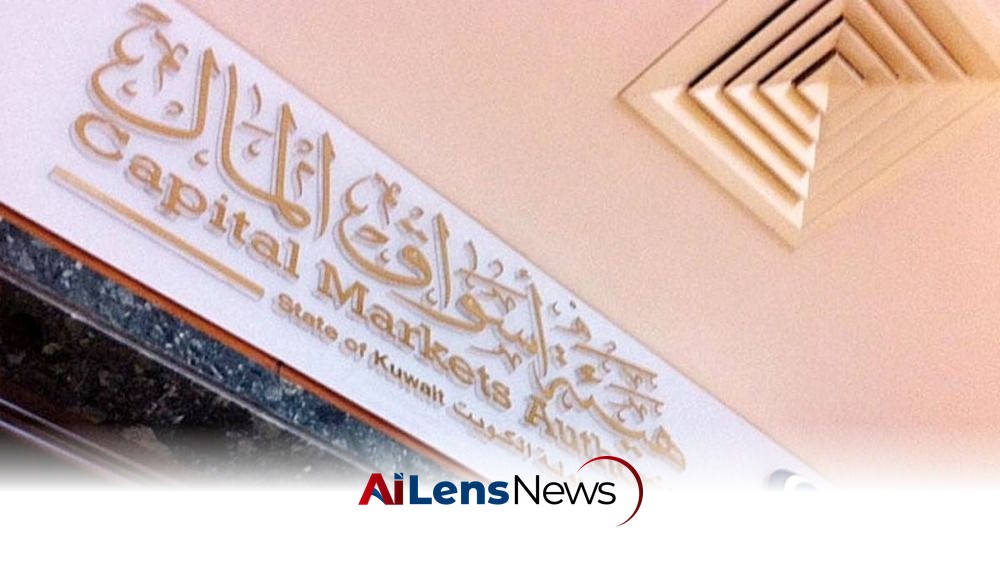


The Capital Markets Authority urges financial firms in Kuwait to strengthen compliance with anti-money laundering controls following national risk assessments.
Kuwait City, Kuwait Jul 31, 2026 ALN: The Capital Markets Authority (CMA) of Kuwait has recently made a significant call to action for all licensed financial entities operating within the country. This initiative is part of a broader strategy aimed at strengthening compliance measures against money laundering and terrorist financing, which are critical issues that pose serious risks to the integrity of Kuwait’s financial system.
In a circular distributed to all licensed persons, the CMA underscored the importance of reviewing the national risk assessment reports concerning money laundering and terrorist financing. These reports, which have been meticulously prepared and published by the Kuwaiti Financial Intelligence Unit, serve as vital resources that provide essential guidance for identifying and understanding the risks associated with financial crimes.
The national risk assessment process is a comprehensive evaluation designed to assess the various threats related to money laundering and terrorist financing within the country. This process is not merely a formality; it is a critical step in developing effective policies and procedures that can mitigate these risks. The CMA’s emphasis on adhering to international standards, particularly the recommendations set forth by the Financial Action Task Force (FATF), reflects Kuwait’s commitment to aligning its regulatory framework with global best practices.
The assessment conducted by the Financial Intelligence Unit involved an extensive analysis of both Kuwait’s financial and non-financial sectors. This analysis included identifying potential gaps in existing regulations, evaluating the risk exposure of various entities, and monitoring emerging threats that could compromise the integrity of the financial system. By doing so, the CMA aims to ensure that the necessary safeguards are in place to protect against financial crimes.
The implications of the CMA's call for enhanced anti-money laundering measures are far-reaching. By fostering a culture of compliance and vigilance among licensed entities, the CMA is not only improving regulatory effectiveness but also reinforcing Kuwait’s international standing in the fight against financial crimes. In an increasingly interconnected global economy, the ability of a nation to effectively combat money laundering and terrorist financing is closely scrutinized by international bodies and can impact foreign investment and economic stability.
Moreover, the CMA’s initiative is timely, considering the evolving nature of financial crimes. Criminal organizations are continually developing more sophisticated methods to launder money and finance terrorism, which necessitates an equally robust response from regulatory authorities. By urging licensed entities to study the national risk assessment reports carefully, the CMA is empowering these organizations to enhance their anti-money laundering (AML) and counter-terrorism financing (CTF) programs.
The executive summaries of the National Risk Assessment Reports are designed to enhance awareness among regulated entities, enabling them to refine their compliance frameworks, risk management systems, and internal procedures. This proactive approach is critical in ensuring that all licensed persons are not only compliant with existing regulations but are also prepared to adapt to new challenges as they arise.
In addition to improving individual compliance frameworks, the CMA's actions are likely to foster a collaborative environment among financial institutions. By sharing insights and best practices derived from the national risk assessments, entities can work together to build a more resilient financial ecosystem. This collaboration is essential for identifying vulnerabilities and developing collective strategies to mitigate risks associated with financial crimes.
The emphasis on compliance and risk management also has significant implications for Kuwait’s economic growth and stability. A robust financial system free from the taint of money laundering and terrorist financing is essential for attracting foreign investment. Investors are more likely to engage with markets that demonstrate strong regulatory oversight and a commitment to maintaining the integrity of their financial systems. Therefore, the CMA’s efforts can be viewed as a strategic move to bolster investor confidence and support sustainable economic development.
Furthermore, the CMA's call to action is aligned with global trends in regulatory practices. The FATF, an intergovernmental organization founded to combat money laundering and terrorist financing, has been increasingly vigilant in monitoring member countries' compliance with its recommendations. Countries that fail to meet these standards risk being placed on watchlists, which can lead to increased scrutiny from international financial institutions and potential sanctions. By proactively addressing these issues, Kuwait is positioning itself favorably on the global stage.
The FATF's recommendations are based on a risk-based approach, which requires countries to assess their own vulnerabilities and adopt measures that are proportionate to the risks identified. This approach allows for flexibility in implementation while ensuring that countries remain accountable for their actions. The CMA's emphasis on compliance with these standards highlights Kuwait's commitment to maintaining a secure financial environment that is resistant to illicit activities.
In light of the global financial landscape, Kuwait's proactive measures can also serve as a model for other nations facing similar challenges. The increasing sophistication of financial crimes, coupled with the rapid advancement of technology, has made it imperative for financial institutions to stay ahead of potential threats. By fostering an environment that encourages continuous improvement and vigilance, the CMA is not only safeguarding Kuwait’s financial system but also contributing to the broader global effort to combat financial crime.
Moreover, the CMA's initiative can lead to enhanced training and awareness programs for employees within the financial sector. As organizations refine their compliance frameworks, it is essential that staff members are well-informed and equipped to recognize and respond to potential red flags associated with money laundering and terrorist financing. This grassroots level of awareness can significantly bolster the overall effectiveness of the AML and CTF measures implemented by financial entities.
The involvement of the Financial Intelligence Unit in this process is particularly noteworthy. As the primary body responsible for analyzing financial transactions and identifying suspicious activities, the Unit plays a crucial role in facilitating cooperation between various stakeholders, including law enforcement agencies, regulatory bodies, and financial institutions. This collaboration is essential for the timely identification and prosecution of financial crimes, thereby reinforcing the integrity of Kuwait’s financial system.
Furthermore, the CMA's initiative emphasizes the importance of technological advancements in combating financial crimes. The integration of sophisticated software and analytical tools can enhance the ability of financial institutions to detect unusual patterns and behaviors indicative of money laundering or terrorist financing. As financial criminals continue to evolve their tactics, the use of technology will be paramount in ensuring that regulatory authorities can effectively respond to these challenges.
In conclusion, the CMA's call for enhanced anti-money laundering measures in Kuwait is a crucial step in safeguarding the country’s financial system. By urging licensed entities to review national risk assessment reports and strengthen their compliance frameworks, the CMA is not only protecting Kuwait's economy but also contributing to the global fight against financial crimes. The ongoing commitment to compliance and regulatory effectiveness will be essential in navigating the complexities of the financial landscape and ensuring a secure and stable economic environment for all stakeholders involved.
To learn more about the latest developments in Economy, stay updated with our exclusive reports and analyses on AiLensNews.

