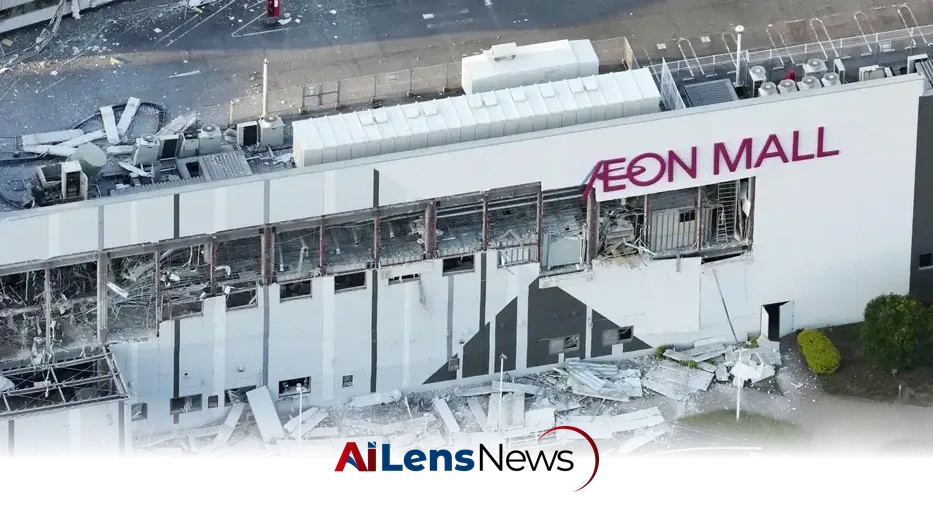


A powerful earthquake in Kumamoto Prefecture injures dozens and traps people in a shopping mall, prompting emergency response efforts.
Kuwait City, Kuwait Jul 29, 2026 ALN: A powerful 7.1-magnitude earthquake struck Japan’s southern Kumamoto Prefecture on Kyushu Island on Tuesday, trapping people inside a damaged shopping mall, injuring dozens and causing widespread disruption. The earthquake, which occurred at 4:27 p.m. local time, registered the highest level of 7 on Japan’s Shindo intensity scale, a measurement that assesses the intensity of ground shaking experienced during seismic events. The Shindo scale is crucial for understanding the impact of earthquakes on human structures and populations, and a level of 7 indicates extremely violent shaking that can cause significant damage and pose serious risks to life and property.
The immediate aftermath of the quake saw authorities launching emergency response operations as reports of collapsed buildings, damaged roads and bridges, fires, and power outages began to surface. This rapid mobilization is a hallmark of Japan's disaster response strategy, which has been honed over decades of experience with natural disasters. Japan’s public broadcaster NHK reported that many people were trapped inside an Aeon shopping mall in Kashima Town following the quake. Local broadcaster TBS quoted police as stating that “quite a few” people were feared dead following an explosion at the mall, highlighting the potential for catastrophic outcomes in densely populated commercial areas during such seismic events. At least 50 individuals were reported hospitalized, indicating the earthquake's immediate toll on human health and safety.
Prime Minister Sanae Takaichi addressed the nation, stating that initial reports indicated multiple injuries and significant damage to civilian infrastructure. Her comments reflect the government's commitment to transparency and proactive communication during crises. Emergency teams were deployed to assess the full extent of the disaster, which is critical for coordinating rescue efforts and providing assistance to those in need. The Prime Minister's office often plays a vital role in crisis management, and her leadership during this event is expected to be closely scrutinized in the days and weeks to follow.
Fortunately, authorities later confirmed that there was no tsunami threat as the earthquake occurred inland, which alleviated fears of a secondary disaster that could have compounded the suffering caused by the quake itself. The Japan Meteorological Agency reported that no tsunami activity had been detected and anticipated lifting its advisory after further sea-level monitoring. This aspect of disaster response is crucial, as tsunamis can cause widespread devastation and loss of life, particularly in coastal areas.
In a positive development for public safety, Japan’s Nuclear Regulation Authority reported no abnormalities at nearby nuclear power plants, easing concerns over nuclear safety in the wake of the earthquake. This is particularly significant given Japan's recent history with nuclear disasters, most notably the Fukushima Daiichi disaster in 2011 following a massive earthquake and tsunami. The assurance from the Nuclear Regulation Authority is vital for maintaining public trust in the safety of nuclear energy, which is a substantial part of Japan's energy portfolio.
However, the earthquake did lead to approximately 45,000 homes and facilities temporarily losing electricity, according to Kyushu Electric Power. Power outages can severely hinder rescue and recovery operations, as well as impede communication efforts. The restoration of power is often one of the first priorities for utility companies in the wake of natural disasters, as it is essential for the functioning of emergency services and for providing comfort to affected residents.
The affected region is home to major manufacturing facilities, including plants operated by Sony and Taiwan Semiconductor Manufacturing Company (TSMC). These companies are integral to both the local and global economy, particularly in the technology sector. Sony, a multinational conglomerate known for its electronics, gaming, and entertainment, stated that it was assessing conditions at its sites, which reflects the company's commitment to ensuring the safety of its employees and the integrity of its operations. TSMC, a leading semiconductor manufacturer, had not issued an immediate statement, but the implications of production disruptions could be significant given the global reliance on semiconductor technology.
Japan is located on the seismically active Pacific “Ring of Fire,” a region known for its high levels of tectonic activity, including frequent earthquakes and volcanic eruptions. This geological context underscores the importance of Japan's stringent building codes and disaster preparedness measures. Kumamoto Prefecture was previously devastated by twin earthquakes in 2016 that killed 273 people and caused widespread destruction. The scars of that disaster still linger in the community, and the recent earthquake serves as a painful reminder of the ongoing risks faced by residents in this region.
In light of the recent seismic activity, authorities have urged residents to remain alert for aftershocks and to follow official safety instructions as damage assessments continue. Aftershocks can pose additional risks, as they may lead to further structural failures in buildings that have already been compromised. The call for vigilance is a standard precaution in earthquake-prone areas, where the potential for subsequent tremors can last for days, weeks, or even longer following a significant event.
The implications of this earthquake extend beyond immediate physical damage and loss of life. Communities often face long-term challenges in recovery, including rebuilding infrastructure and restoring services, as well as addressing the psychological impacts on residents who may experience trauma from the event. Additionally, the economic repercussions can be profound, particularly in regions that rely heavily on manufacturing and tourism. As Japan continues to navigate the complexities of disaster response, the resilience of its communities and the effectiveness of its emergency management systems will be critical in mitigating the impacts of such natural disasters in the future.
To learn more about the latest developments in Crime & Law, stay updated with our exclusive reports and analyses on AiLensNews.

